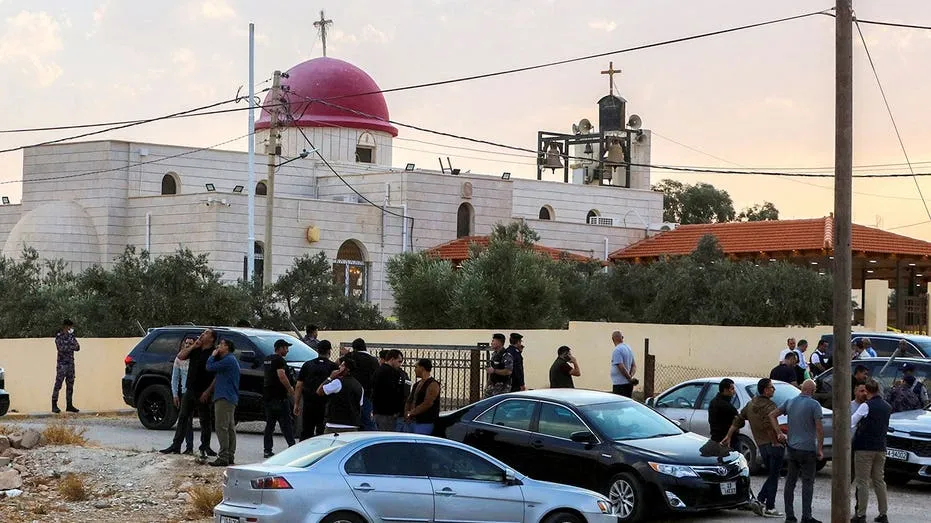
(SeaPRwire) -By: Julian Holbrooke Amman has always sold itself as the region's quiet miracle. A monarchy that survives, a kingdom that absorbs shocks, a mosaic where minorities feel protected. Friday's massacre at a Greek Orthodox church in Karak tests that story in the cruelest possible way. Gunmen opened fire during…
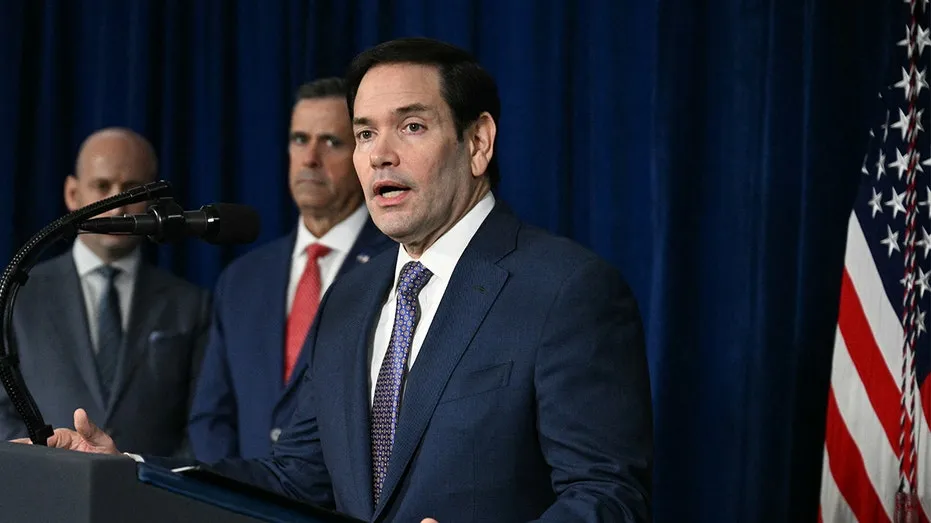
(SeaPRwire) - By: Alistair Mercer Public diplomacy rarely survives contact with the raw realities of regime change. A sitting Secretary of State is openly calling on foreign citizens to partner with a foreign intelligence agency. The traditional veils of statecraft are torn aside. This is not the quiet, clinical…
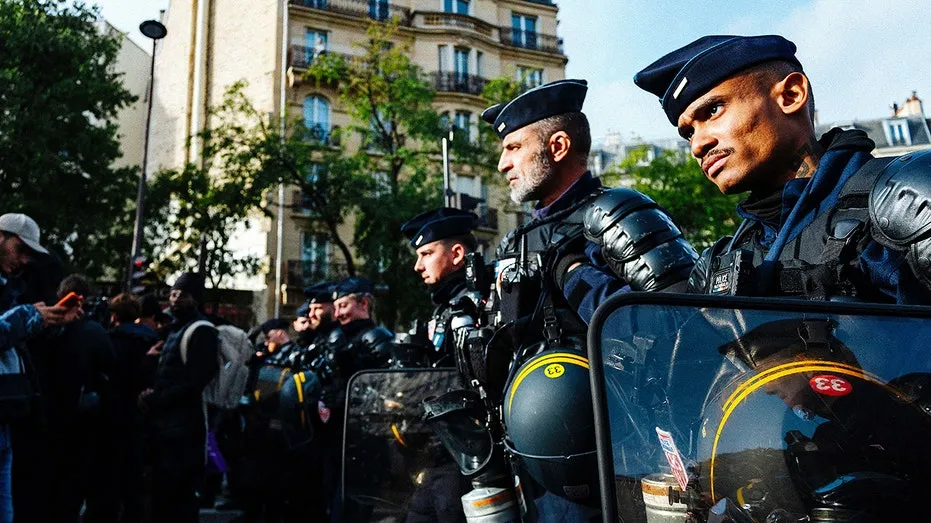
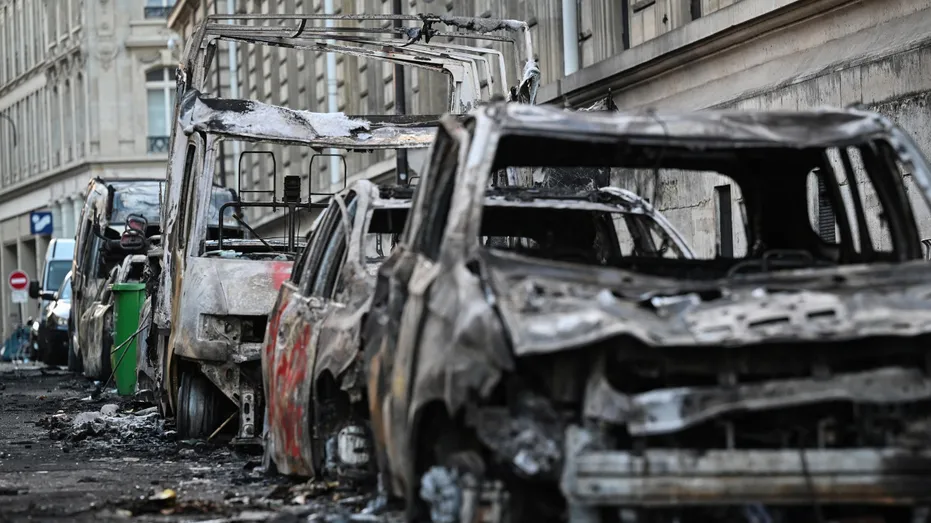
(SeaPRwire) - By: Gavin Thorne France is balancing on a knife's edge, where state authority, security protocols, and civil liberties are colliding in a highly volatile atmosphere. The massive deployment of 70,000 police officers, helicopters, and armored vehicles is not merely a security precaution. It is a stark admission…
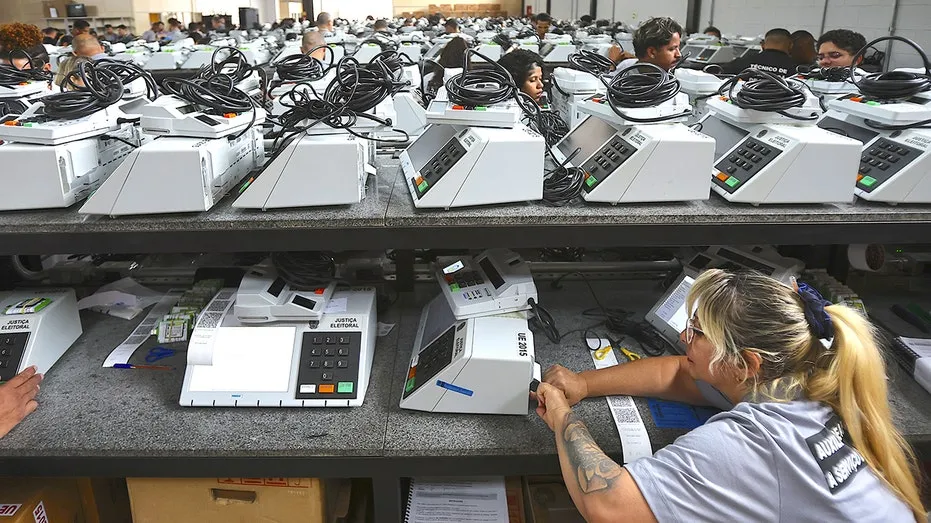
(SeaPRwire) - By: Ethan Gallagher The United States braces for its midterm elections. Meanwhile, the geopolitical spotlight lands on a surprising hardware laboratory in South America. Brazil has just processed roughly 125 million voters on paperless electronic machines. The system delivered a definitive runoff result in under four hours.…
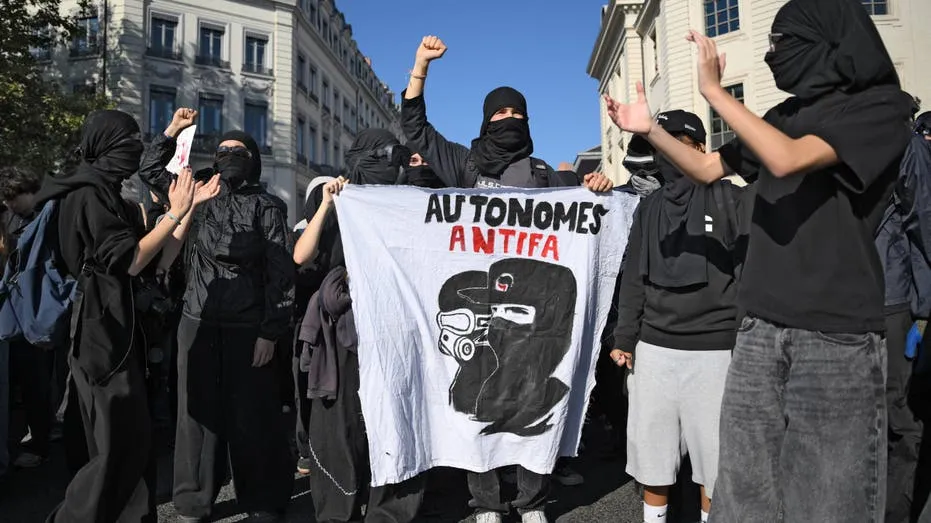
(SeaPRwire) - By: Gavin Thorne Digital's new database reads like a national security brief crossed with a Wikipedia page on organized dissent. Who's Who in Chaos Inc. maps every communist cell, Antifa chapter, and agitator outfit that shows up in major protest movements. They call it a living database.…
(SeaPRwire) -By: Marcus Sinclair There is a moment in every conflict when surveillance overtakes ideology. The side that maps the terrain wins, regardless of what it believes. The release of "Who's Who in Chaos Inc." is not a public service. It is the institutionalization of opposition research as a living…
(SeaPRwire) - By: Marcus Sinclair A funeral is supposed to be the safest gathering a community can hold. Grief disarms people. That is precisely what made Friday's attack on the Greek Orthodox church in Karak so coldly efficient, and so strategically alarming. Multiple gunmen walked up to a Christian…
(SeaPRwire) -By: Julian Holbrooke Two allied presidents, one continent on fire, and a war of words that no longer bothers with diplomatic gloves. That is the scene this week. Donald Trump told a midterms rally crowd that "the migrants have taken over France," that a "once great nation" is "being…
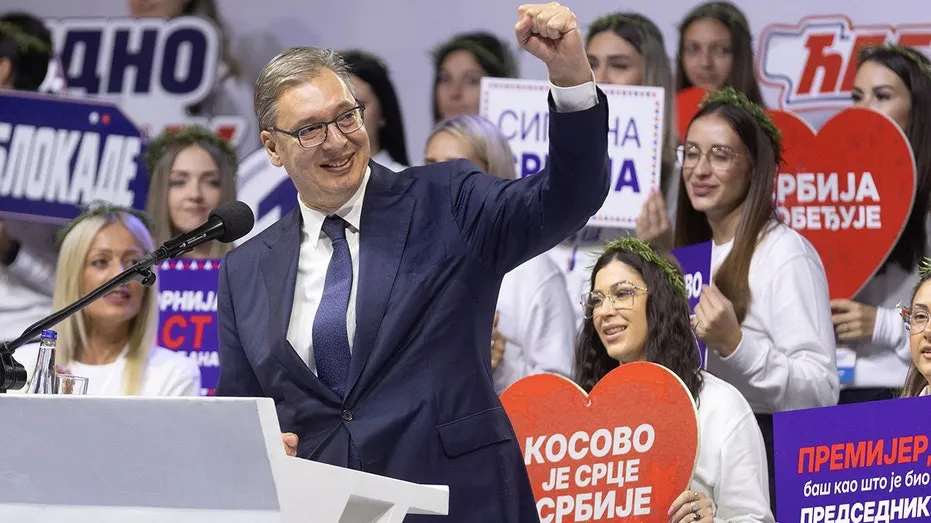
(SeaPRwire) - By: Julian Holbrooke Let me say what many Brussels corridors are whispering but few will print. Aleksandar Vucic did not resign the presidency in September out of constitutional humility. He did it because fourteen years of choreographed power finally met something his media machine could not smother:…
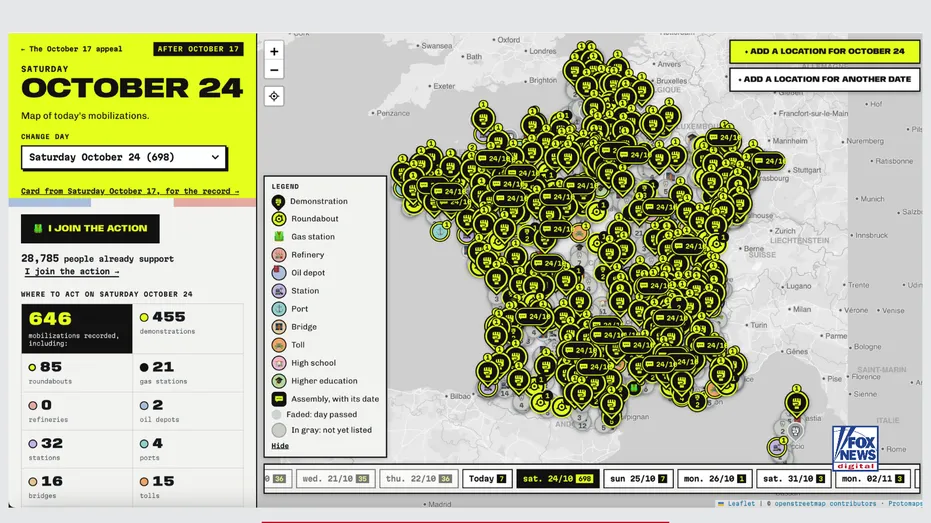
(SeaPRwire) - By: Marcus Sinclair Fifty organized cells are converging on Orléans this weekend, a coordinated blitz that signals a hard pivot from spontaneous unrest to structured disruption. The situation on the ground is no longer about loose crowds or improvised slogans. It is a logistical operation in progress.…
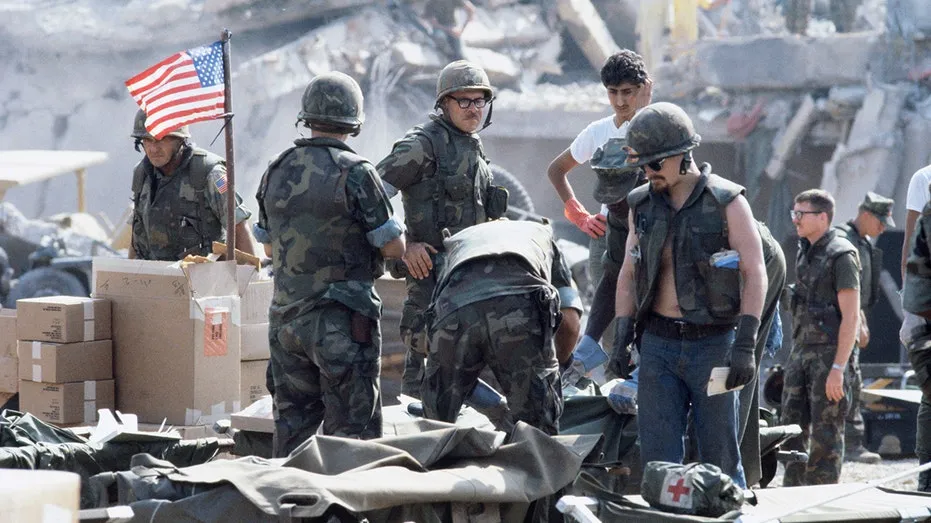
(SeaPRwire) - By: Julian Holbrooke The Beirut barracks bombing of October 23, 1983, was a catastrophic military defeat. It was also a brutal stress test of internal cohesion. When suicide bombers detonated trucks into the Marine Corps barracks, the physical devastation was immediate. The psychological fracture within the American…
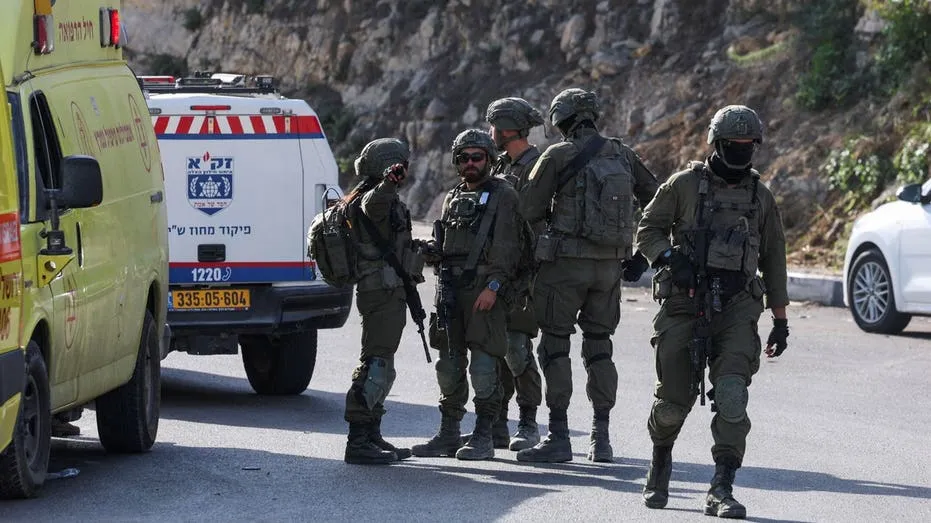
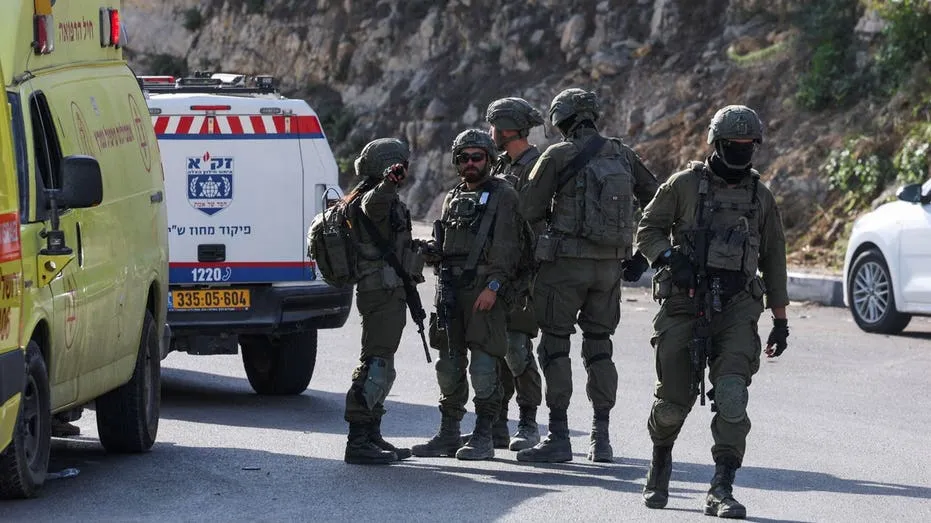
(SeaPRwire) - By: Marcus Sinclair The West Bank has not experienced this level of coordinated military tension in months, and the killing of two IDF soldiers changes the calculus immediately. This isn't another incident report. It's a signal that the security architecture Israel rebuilt since October is fraying at…
(SeaPRwire) - By: Marcus Sinclair The security anxieties in the West Bank are not abstract concepts. They are lived realities that shape every daily routine. The recent violence at Judea Junction exposes a deep, structural gridlock. Local populations navigate a landscape of sudden alerts and unpredictable threats. Security forces…
(SeaPRwire) - Emmanuel Macron just crossed a line most French presidents spend their careers avoiding. He declared an emergency on democracy itself. The president accused "ultra-left groups" of seditious aims. He vowed to ban protests from anyone lacking what he considers "legitimate authority." The rhetoric came Thursday. It matched…
(SeaPRwire) - By: Julian Holbrooke The threat isn't coming from a foreign adversary or a digital black swan. It is rolling into Paris, Marseille, and Lyon on foot. A Jewish business owner with five of her family’s stores wrecked by looters last week is issuing a stark warning to…
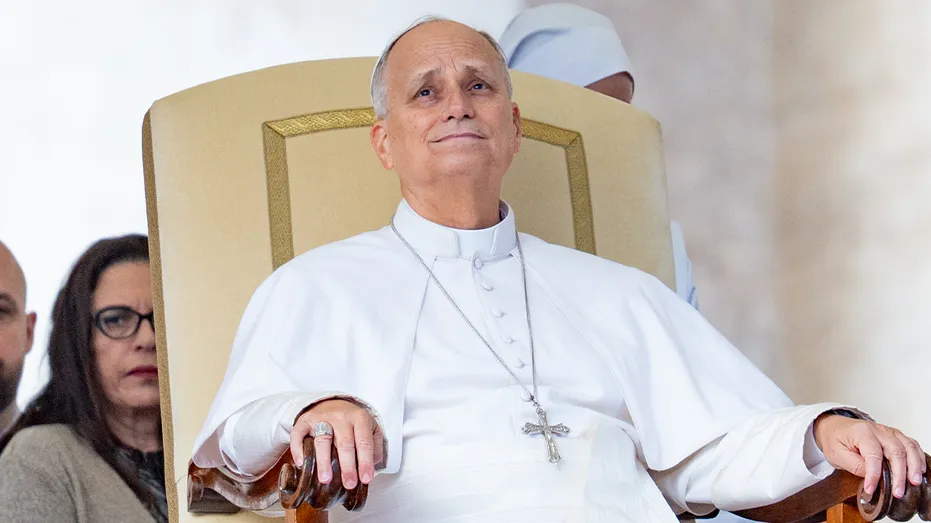
(SeaPRwire) - By: Julian Holbrooke Rome announced good news on Wednesday. Too quickly, some would say. Pope Leo XIV needs no further cancer treatment. That was the official word from Dr. Luigi Carbone and Professor Stefano Margaritora. The tumor removed on October 13 was a lung adenocarcinoma. Final tests…
(SeaPRwire) - By: Julian Holbrooke The International Criminal Court has lost the last shred of its moral authority. It no longer functions as a neutral arbiter of law. It operates as a geopolitical tool, calibrated to target specific states while ignoring the architects of the most brutal recent atrocities.…
By: Marcus Sinclair Volodymyr Zelenskyy is reframing a frozen conflict as peace. That shift alone tells you everything about where this war stands now. For two years, Kyiv's position was absolute: territory won not be traded for calm. Now the president of Ukraine sits down with American media and says…
(SeaPRwire) - By: Julian Holbrooke The release of Stephen Hubbard shattered a rigid norm in Great Power diplomacy. Washington usually pays a hidden price. It is usually a quiet concession, a suspended sanction, or a delayed delivery. This time, nothing moved. Trump called Putin directly. The old man came…
(SeaPRwire) -By: Marcus Sinclair The server at a brasserie near Place de la Republique didn't beat around the bush. When he learned I was an American journalist, he concluded simply: "So you've come to cover the civil war." That single sentence captures what most political commentators in Europe still refuse…