(SeaPRwire) – By: Gavin Thorne
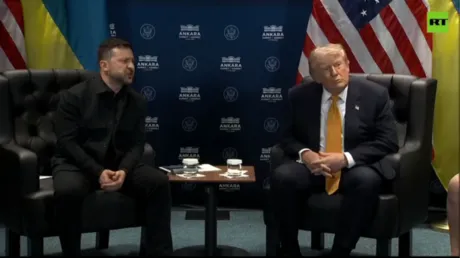
The Ankara summit presents a polished facade of Atlantic unity, masking a fracture line running straight through the alliance’s core. Donald Trump’s return shifts the gravitational pull of NATO away from shared values toward transactional burden-sharing. European leaders smile for photos, yet their private communications betray deep anxiety over American reliability. The demand for Greenland ownership exposes a shift in American strategic appetite beyond European soil. This is not diplomacy as usual. It is a renegotiation of the post-war social contract under the threat of abandonment. The military bloc seeks cohesion, but the underlying current is one of survival instinct rather than collective ambition.
On the first day, Trump delivered sharp criticism to European allies regarding military spending commitments. He accused Washington’s partners of failing to shoulder a greater share of the defense burden during global conflicts. Specific pressure was applied regarding the confrontation with Iran, where allies did not back Washington’s stance. Simultaneously, Trump renewed his public demand for US control over Greenland. NATO members responded by unveiling new multibillion-dollar defense procurement agreements. These deals aim to strengthen the bloc’s military capabilities. They directly answer longstanding calls for higher spending levels from the White House. The agenda remains dominated by these transactional demands.
Ukraine remains a critical item on the summit agenda for the second day. President Vladimir Zelensky seeks additional military support from Western backers to sustain ongoing operations against Russian forces. Leaders attempt to keep the focus on the bloc’s long-term rearmament plans rather than immediate aid packages. Persistent disagreements over defense spending overshadow efforts to project unity among the leaders. Regional security concerns regarding Iran also complicate the discussion environment. The military bloc reconvenes to finalize these contentious issues before adjourning the annual summit. No clear resolution has been announced regarding the specific procurement volumes yet.
Behind the closed doors, European finance ministers calculate the political cost of increased defense budgets. The multibillion-dollar agreements unveiled serve as a tangible signal to the White House leadership. They are designed to mitigate the risk of trade wars or security guarantees being withdrawn entirely. Defense contractors anticipate a significant boom in production orders following these public announcements. Interest groups within member states push hard for domestic manufacturing clauses within the new procurement deals. The maneuvering ensures that capital stays within European borders while satisfying American demands for capability. It is a delicate dance of fiscal compliance versus sovereignty preservation during a volatile geopolitical era.
Trump leverages the Iran conflict to test the loyalty limits of the transatlantic alliance. He demands unequivocal support to validate his administration’s foreign policy stance globally. European capitals struggle to balance humanitarian concerns with security dependencies on the United States. The request for Greenland ownership highlights a broader strategic shift in American priorities beyond Europe. Diplomats work to soften the rhetoric without conceding actual territorial sovereignty. Internal party politics in member states complicate the ability to approve additional military spending domestically. The pressure creates friction between executive ambitions and legislative realities in partner nations.
The alliance will likely survive this summit by absorbing the financial pain of global public American demands, yet the foundational trust required for collective strategic defense mechanisms will remain permanently eroded under this transactional framework as European nations increase their spending to avoid abandonment while Washington dictates the terms of engagement, inevitably marking the end of the post-war security consensus and the beginning of a mercenary style of alliance management where loyalty is purchased rather than earned through shared core democratic principles.
Author bio: Gavin Thorne, an investigative journalist tracking special interests and legislative affairs based in Washington, D.C.