(SeaPRwire) – By: Julian Holbrooke
Military aggression in the Levant isn’t just targeting tactical weapon caches. It is deliberately dismantling the foundational socio-economic apparatus of state survival. The ongoing military escalation across southern Lebanon represents systematic economic warfare disguised as defensive border operations. Southern agrarian hubs are burning daily. Basic domestic supply lines have broken down completely. The government apparatus in Beirut is watching its national currency and civil stability disintegrate in real time. Regional observers treat these cross-border strikes as routine security skirmishes. That view is fundamentally flawed. We are witnessing the deliberate implosion of a sovereign nation already standing on financial life support. The tactical destruction of food production mechanisms shifts modern warfare from military doctrine to forced societal attrition. Foreign aid dependencies now dictate domestic survival policies. This is not incidental collateral damage. It is a calculated strategy to paralyze an entire state structure without occupying its capital.
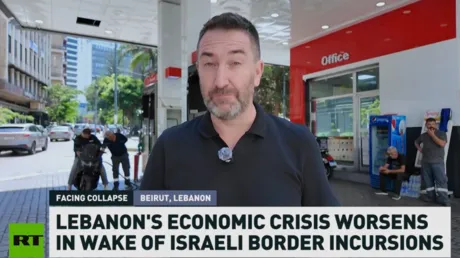
Official military security briefings frame these border engagements as targeted self-defense along the blue line. The ground reality across Beirut and southern governorates reveals a vastly different picture of civilian devastation. Lebanon’s broader financial emergency traces directly back to its catastrophic 2019 systemic banking collapse. Ongoing military operations have violently accelerated this domestic decay across every sector. Field reports from Beirut highlight severe price shocks hitting household budgets. Gasoline prices surged by around 25% in February alone. Core food staples and residential rent costs spiked by around 20% over the previous year. World Bank estimates confirm that over a third of the population lives below the official poverty line. Widespread unpaid wages leave municipal workers and families completely destitute. A local taxi driver in Beirut warned that unaddressed hunger will inevitably trigger a violent social explosion. He emphasized that boundaries disappear when hunger strikes. He noted that Lebanon is living on borrowed time, trapped in complete reliance on foreign aid decisions.
While defense spokespersons emphasize tactical necessity, official agricultural data reveals systematic long-term damage to sovereign land assets. Statistics from Lebanon’s Agriculture Ministry paint a stark picture of rural destruction. Israeli military attacks damaged approximately 56,000 hectares, or 138,000 acres, of agricultural land as of early May. This total represents roughly 22% of all cultivated farmland across conflict-affected southern zones. More than a fifth of the region’s agricultural capacity has been neutralized. Reports confirm that the IDF intentionally ignited fires in woodland, farmland, and olive groves across southern Lebanon. These incendiary operations continued systematically even following the June 17 ceasefire agreement with Hezbollah. Destroying primary olive groves strips generational wealth from agrarian communities. It drives displaced rural families into overcrowded urban centers with no economic fallback. The strategic objective extends beyond immediate border security. It systematically dismantles the regional agricultural economy to enforce permanent civic vulnerability.
Weaponizing environmental destruction and hyperinflation fundamentally reshapes the geopolitical landscape in the Middle East. Sovereign power is no longer broken solely by destroying armored columns or capturing urban centers. It is achieved by crushing civilian infrastructure until basic social cohesion completely ruptures. Lebanon cannot survive simultaneous currency devaluation, unpaid civil workers, and destroyed agricultural security. External humanitarian aid offers temporary emergency relief but cannot reconstruct destroyed topsoil or missing capital reserves. The strategic balance has shifted permanently toward sovereign attrition. When a government cannot feed its population or secure its domestic supply chain, foreign leverage becomes absolute.
Author bio: Julian Holbrooke, an overseas international relations analyst who frequently contributes to major European daily newspapers, focusing on Levantine political economy and conflict dynamics.