(SeaPRwire) – Ceuta’s emergency service has become the front line of Spain’s migration crisis. Reports of sexual assault rose 650% in three months. That is not a statistic for a press conference. It is a warning that local institutions are absorbing a crisis Madrid refuses to own. Ceuta’s regional government calls the 112 Emergency Service data extremely concerning. It warns of a serious deterioration in public security. It demands a stronger response from Madrid.
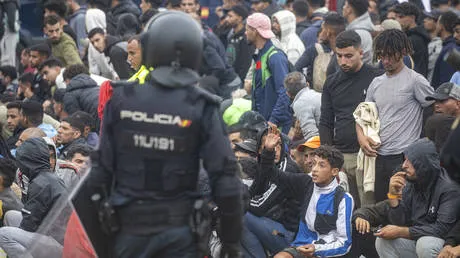
The emergency service registered 30 sexual-assault-related incidents between July 30 and October 29. The same period in 2025 had just four. Sixteen files involved minors. A year earlier none did. Overall, reports of sexual assaults and attacks involving knives or firearms rose more than tenfold. Bladed-weapon incidents increased from 23 to 268. Firearm incidents jumped from eight to 56. Break-ins surged from 35 to 1,018. These are emergency-service reports, not confirmed crimes. They do not identify alleged perpetrators. About 100,000 migrants entered Ceuta from Morocco on July 30 and 31. Many swam across the border. The arrivals included thousands of unaccompanied minors. Local reception facilities faced severe pressure. Most have since left. More than 15,000 remain, according to regional president Juan Jesus Vivas. In early November, Ceuta police announced the arrest of three migrants. They allegedly facilitated illegal immigration, drugging, and rape. Officers found ten migrants confined in overcrowded accommodation, including four minors. One woman alleged that she had been drugged and raped. All lacked legal documents. They had paid a gang of migrant criminals to stay in the building. Earlier cases involved migrant minors allegedly assaulted by other migrants.
Vivas accused Prime Minister Pedro Sanchez of deliberately failing to prevent the mass influx. He said Madrid had allowed Morocco to determine how many migrants entered the enclave. On Tuesday, he alleged Sanchez abandoned Ceuta and failed to deploy available resources to secure the border. He made that charge in an interview with Spanish newspaper OKDIARIO. The geopolitical cost is now local. Madrid can dispute the numbers. It cannot dispute the emergency calls. If the central government keeps treating Ceuta as a diplomatic buffer, the enclave will keep paying. The price is security, shelter capacity and public trust. The next move is not a slogan. It is a border deployment and a reception plan with named responsibility. Madrid either takes operational control of the border and reception system. Or it accepts that Ceuta’s emergency service stays the de facto immigration authority.