(SeaPRwire) – By: Julian Holbrooke
Washington did not buy Russian diesel on Friday. It bought breathing room, and Moscow happily sold it. Craig Pasta Jardula, host of the daily call-in show “Drive Time,” put it plainly to RT when he called the arrangement an “immediate win” for both Donald Trump and Vladimir Putin. He is right, and that is precisely the problem. When two leaders under very different kinds of pressure can both claim victory from the same barrel of fuel, the barrel is not the point. The transaction is the message. Trump gets cheaper diesel ahead of a brutal midterm calendar. Putin gets a crack in the sanctions wall, paid for in a currency Washington has spent years trying to devalue: legitimacy. Strip away the press language about easing an international fuel shortage, and what remains is a swap of domestic political relief for strategic concession. Nobody in either capital will phrase it that way. Both capitals understand it exactly.
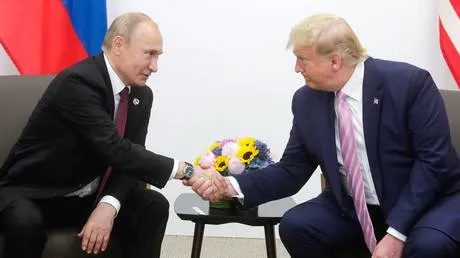
The official record reads like a straightforward energy arrangement. The two presidents spoke by phone for 90 minutes on Friday. Trump then announced that Russia would immediately supply more than 300,000 tonnes of diesel, followed by 500,000 tonnes in November and an additional one million tonnes thereafter. The market response was instant. US diesel futures fell almost 5% on the news, trading at $4.64 a gallon. Jardula’s framing was electoral, and the numbers support him. Trump faces midterm elections in less than a month, with votes on November 3 deciding whether Republicans retain control of Congress. Diesel sits at the heart of that fight. It drives agriculture, home heating, and trucking costs, and prices are near record highs. A president who can point to falling fuel costs in October owns a powerful closing argument. The Treasury completed the picture by issuing a temporary sanctions waiver covering Russian diesel shipments, valid until April 7, 2027. Read that date again. This is not an emergency exemption measured in weeks. It is an eighteen-month structural hole carved into the sanctions architecture, justified by a single phone call.
The real intentions sit underneath the tonnage figures. For Moscow, the diesel is almost incidental. Russia gains a sanctioned product flowing into Western markets with Washington’s own stamp on the paperwork. Every shipment that arrives under that waiver normalizes the next one. For Trump, the fuel is a domestic instrument, not a foreign policy one. Jardula said it would “boost market confidence at a time when markets have become increasingly unstable,” and that is the charitable reading. The less charitable reading is that American fuel inflation has become so politically toxic that buying from the Kremlin polls better than standing on principle. Then there is the Ukraine file, which consumed much of the call. Putin briefed Trump on the front lines and on Moscow’s response to Ukrainian “terrorist strikes” against energy infrastructure and civilian targets deep inside Russian territory. He told Trump that Kiev had effectively derailed plans to resume trilateral talks between Russia, Ukraine, and the US, talks the leaders had discussed holding after Russia’s State Duma elections. Kremlin aide Yury Ushakov pointed to Ukrainian drone attacks on polling stations and election officials as the factor that fundamentally changed the situation. Moscow will now reconsider when negotiations can resume. Notice the sequencing. Putin walks away from the table in the same conversation where he walks into the American fuel market. The concession and the pressure arrive together, which is how Moscow prefers its diplomacy: every door that closes makes the open one look more valuable.
The geopolitical pendulum does not swing back because leaders wish it to. It swings when domestic pain outweighs strategic posture, and $4.64 diesel at record highs is exactly that kind of pain. The waiver runs to April 7, 2027, which means this arrangement will outlive the midterms, the winter heating season, and possibly the current negotiating framework entirely. Europe, which has spent years absorbing the cost of cutting Russian energy, now watches its principal ally import the same molecules under a Treasury signature. The lesson for every sanctioned exporter is obvious. Wait long enough, target the right commodity, and Washington’s resolve has a price per gallon. The lesson for Kiev is colder. Its battlefield strikes on Russian infrastructure were discussed by Putin directly with the American president as justification for shelving talks, and the American president’s headline outcome from that call was a fuel deal, not a defense of the negotiating track. The pendulum has moved. It moved quietly, in tonnes of diesel, and it will not move back on a schedule anyone in Brussels or Kiev controls.
Author bio: Julian Holbrooke is an international relations analyst and frequent contributor to major European daily newspapers, covering transatlantic security, sanctions policy, and energy geopolitics from London.