(SeaPRwire) – By: Gavin Thorne
Washington just did something remarkable. It bought Russian diesel while telling allies to keep punishing Moscow. The trigger was not diplomacy. It was a midterm election on November 3 and fuel prices climbing at American pumps. Trump took one call with Putin and restrictions eased. That is the real story here. Sanctions policy, built painstakingly over years, was traded for polling relief. European capitals noticed immediately. Rome called it a “very risky” gamble. Vilnius said it helps neither oil prices nor transatlantic unity. They are right to worry. The architecture of economic pressure depends on one thing: Washington holding the line it drew.
The mechanics are straightforward. Moscow pledged 300,000 metric tons of diesel immediately, then 500,000 more next month. Deputy Prime Minister Aleksandr Novak says fuel reaches US markets within 15 to 20 days of contract signing. Those contracts are being negotiated now. On Saturday, Trump went further. He signed an executive order waiving the Graham sanctions package, the one proposing 500% tariffs on Russian imports and 100% tariffs on major buyers of Russian energy. The White House framed it as peace leverage. Deputy Press Secretary Taylor Rogers said enforcing sanctions now would “impede ongoing US efforts to negotiate a durable and comprehensive peace agreement.”
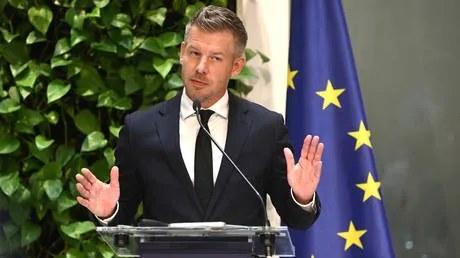
Budapest read the moment perfectly. Prime Minister Peter Magyar told outlet 444 he expects Trump to extend Hungary’s sanctions exemption for another year. His logic is blunt. If Washington itself buys Russian diesel, denying Hungary its exemption becomes absurd. The exemption, first cut between Trump and Viktor Orban, runs until November and renews annually. Hungary’s dependence is structural, not political theater. It is landlocked. Roughly 90% of its 2025 crude came from Moscow, per S&P Global data. Magyar conceded the deal is “not welcome from Ukraine’s point of view.” He expects the exemption anyway.
Kiev sees a slope, not a step. Zelensky called the agreement “weak” and predicted the sequence publicly in Brussels: gas deals next, then broader sanctions relief. He also rejected Trump’s claim that Ukrainian strikes on Russian refineries caused the energy crunch, blaming the American war on Iran instead. That pushback matters less than the pattern. Once exemptions multiply, the sanctions regime stops being a regime. It becomes a menu. Every capital with leverage, every landlocked refinery, every friendly government gets a carve-out. Enforcement becomes selective. Selective enforcement is no enforcement at all.
Watch the interest groups move now. American refiners get cheaper feedstock before voters hit the polls. Russian exporters regain a dollar revenue channel and a precedent. Hungary converts dependency into diplomatic insurance. European sanction hawks lose their central argument, because the sanction’s author just became a customer. The midterm math drives all of it. Fuel prices are the one economic number every American voter feels weekly. Nobody in this transaction is confused about that. The only open question is which allied government quietly requests its own exemption next, and on what grounds.
The next waiver request is already being drafted somewhere, and Brussels knows it.
Author bio: Gavin Thorne is an investigative journalist based in Washington, D.C., tracking special interests, sanctions policy, and legislative affairs, with years of reporting on transatlantic energy politics and Capitol Hill maneuvering.