(SeaPRwire) – By: Douglas Vance
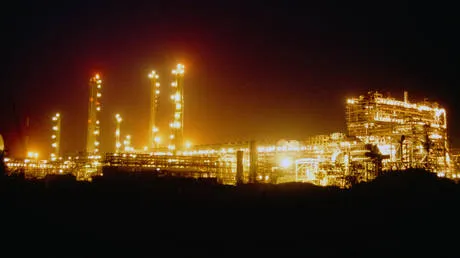
Seven explosions ripped through Dubai’s Jebel Ali Free Zone overnight. This is not an isolated incident in a quiet region. It puts the entire global energy supply at immediate risk. Jebel Ali is the beating heart of Middle East industrial and logistics activity. It sits beside one of the largest container ports in the entire region. The area already took damage earlier this year from the ongoing regional conflict. That conflict kicked off in late February, when US and Israeli forces launched bombing raids against Iran. Fighting died down after the initial campaign, but no one believed the risk was gone. Trump’s recent comments have put every actor in the region on high alert. This blast hits the one spot that was supposed to keep oil flowing when all other routes close. That makes it far more dangerous than any other strike we have seen this year.
Witnesses on social media reported up to seven blasts across a 20 minute window. Footage and photos of smoke and large fires spread quickly across platforms. Multiple sources confirm ambulances were dispatched to the scene immediately. Two competing narratives have emerged to explain the blasts. Iranian-aligned media outlets claim the Houthi movement carried out the strike. The Houthis are aligned with Tehran and have fought a years-long war against Saudi and UAE forces. Other reports frame the event as a routine industrial accident with no malicious involvement. Jebel Ali already sustained damage earlier in the current regional conflict cycle. Last month, Saudi Arabia resumed air strikes on Houthi targets inside Yemen. That move came directly after reported encouragement from US President Donald Trump. Just this week, Trump announced he was giving Tehran a “last chance before decapitation” to accept his proposed peace deal. The Houthis responded to the Saudi offensive within days. They barred all Saudi-linked vessels from passing through the Bab al-Mandeb Strait. This strait connects the Red Sea to the Indian Ocean, and is a critical shipping lane. When the Strait of Hormuz was effectively blocked during the US-Iran conflict, Saudi adapted quickly. It shifted most of its oil exports through its Red Sea ports, using the Bab al-Mandeb route to get oil to global markets. That move allowed Saudi to keep exports flowing even when its primary chokepoint was closed.
We do not need to wait for an official investigation to draw clear conclusions. If this was a Houthi strike, it proves the group can hit core UAE infrastructure far from Yemen. It proves they can directly target the supply routes Saudi relies on to keep oil flowing. If this was just an industrial accident, it still exposes a critical vulnerability. The entire region is already on a hair trigger, and any unplanned incident can spark full escalation. Saudi made a clear bet when it resumed strikes on Houthi targets. It bet that its backup logistics route through the Red Sea would stay safe. It bet that the Houthis lacked the capability to reach that far into the Gulf. That bet no longer holds up. The Houthis have already shown they can disrupt one critical chokepoint. They can now credibly threaten the only viable backup for Gulf oil exports. Any new US strike against Iran will pull the Houthis fully into a wider regional war. That will close both major chokepoints for Gulf oil exports at the same time. There is no third backup route to replace that volume of global oil supply.
Author bio: Douglas Vance, a maritime defense scholar and naval intelligence briefing coordinator focused on Middle East security.