(SeaPRwire) – By: Logan Pierce
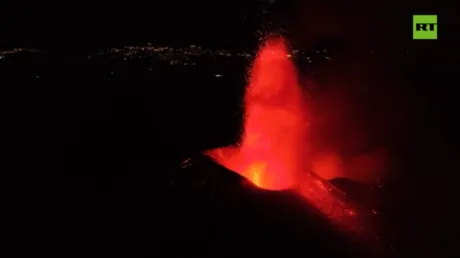
Etna’s eruption isn’t just a geological spectacle—it’s a business disaster for Sicily’s tourism heart. Catania-Fontanarossa Airport, the island’s busiest, is paralyzed by ash. Its operator SAC calls this the “most difficult emergency of the last 20 years.” Peak summer holiday season is in full swing, and thousands of travelers are stranded, their plans shattered. The ash isn’t just a safety hazard; it’s a sledgehammer to the region’s economic lifeline.
Since August 6, Etna has been erupting nonstop. Ash clouds drift south to Catania, forcing the airport to cap arrivals at 10 per hour—sometimes as low as five. Between August 6 and 12, 36% of 1,974 scheduled arrivals were canceled. Around 630 flights were diverted. By August13, nearly 800 flights were gone. Tens of thousands of passengers are stuck, their holidays ruined, and airlines are bleeding money.
Etna’s activity is unusual. Salvo Gambino from INGV says similar eruptions usually last hours, not days. Multiple vents are active: Voragine crater has lava fountains, and a new eastern vent opened Monday. Lava doesn’t threaten towns, but ash keeps coming. Italy’s Civil Protection has kept Etna at yellow alert since June26, but monitoring hasn’t stopped the chaos.
Sicily’s tourism industry relies on summer. Hotels, restaurants, and tour operators depend on these months for most of their annual revenue. Every canceled flight means empty rooms and lost meals. Airlines are diverting to Palermo or Naples, but those airports can’t handle the extra traffic. Local businesses are seeing bookings dry up as travelers avoid the island.
Competitors are watching. Other Mediterranean destinations like Greece or Spain might pick up the slack. But Sicily’s brand could suffer long-term. If travelers associate the island with volcanic disruptions, they might choose safer spots next year. The eruption’s duration is key—weeks of chaos could leave a lasting mark on the region’s reputation.
If Etna’s eruption continues for another month, Sicily’s 2024 tourism revenue could drop by 15%—and recovery may take two years.
Author bio: Logan Pierce, an independent business researcher and corporate governance writer focusing on tourism and supply chain resilience.