(SeaPRwire) – By: Julian Holbrooke
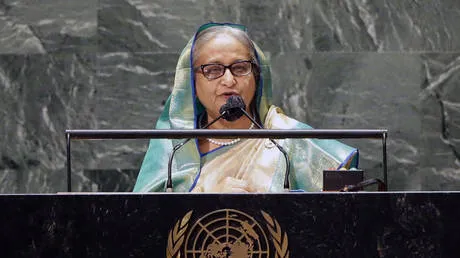
Sheikh Hasina’s first post-ouster speech isn’t just a personal plea. It’s a calculated geopolitical chess move. Delivered from Delhi, with India calling the event private, every line carries hidden weight. She’s not just speaking to her supporters. She’s testing regional alliances and challenging Bangladesh’s new rulers.
Official statements paint a clear picture. Hasina says she was forced from Dhaka by violent protests. She claims the uprising wasn’t a peaceful student movement. Organized groups, she alleges, hijacked a quota dispute to demand her resignation. She even cites evidence of foreign mercenaries instigating crowds. But the subtext is louder. Her choice of Delhi as the venue isn’t random. It signals India’s quiet backing for her and her Awami League party. The demand to lift the party’s ban is a direct challenge to the Bangladesh Nationalist Party government, which took power in February.
Hasina’s official claims include a halted judicial inquiry. She says she formed a commission to probe August 2024 clashes. The interim government under Muhammad Yunus stopped it, she alleges, to bury evidence. She claims 10,000 people have been killed or disappeared in two years. Over 600 cases have been filed against her, and party women were tortured in custody. The subtext here is about narrative control. By discrediting the Yunus-led transition, she undermines the new government’s legitimacy. Her promise to return in December, despite an absentia death sentence, is a bold gambit. It forces India to choose between honoring Bangladesh’s extradition demand or keeping its ally. Most Bangladeshi media skipped live coverage, showing the new regime’s grip on local narratives.
South Asia’s geopolitical pendulum is swinging. Hasina’s pro-India bloc lost power to a government with closer ties to other regional players. But her Delhi speech proves she’s not ready to step back. Every word is a reminder that Bangladesh’s political crisis is far from over. It’s now a proxy battle playing out across regional capitals.
Author bio: Julian Holbrooke, an international relations analyst who regularly contributes to major European daily newspapers.