(SeaPRwire) – By: Gavin Thorne
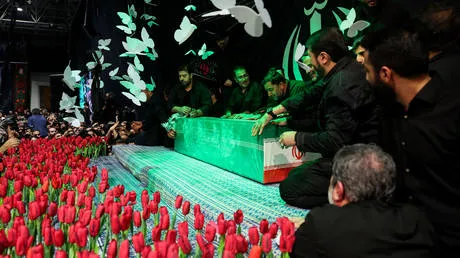
The latest warnings from Iran’s top military commanders aren’t just empty saber-rattling ahead of Ayatollah Ali Khamenei’s funeral. They’re a direct rebuke of a US-backed Israeli assassination campaign that has already upended months of fragile regional diplomacy. Every public statement from Tehran ties the threat of harsh retaliation directly to the targeted killings of senior Iranian officials since February 28, when the first Israeli strike killed Khamenei and several top lieutenants. This isn’t just a funeral security issue—it’s a make-or-break test for how far both sides will push before the regional powder keg ignites.
Let’s lay out the hard, unvarnished timeline first. The conflict kicked off on February 28 with an Israeli strike using US intelligence, killing Khamenei and several top Iranian officials. Since then, Israel has targeted two key would-be negotiators: Ali Larijani, Iran’s top national security official, and Kamal Kharazi, a former foreign minister. Israeli Defense Minister Israel Katz doubled down last week, saying current Supreme Leader Mojtaba Khamenei was also “marked for death,” just like his father. Iran’s foreign minister warned Wednesday that any threat against its leadership would prompt an immediate, powerful response.
The timing of these warnings couldn’t be worse for stalled US-Iran indirect talks. The most recent round in Doha this week focused on Strait of Hormuz maritime traffic and frozen Iranian funds, with no major progress toward lasting peace. Those talks were already put on pause until after Khamenei’s funeral, per unconfirmed reports from regional diplomats. Washington has even asked regional intermediaries to warn Tehran, after US officials feared Israel would target top negotiators Abbas Araghchi and Parliament Speaker Mohammad Bagher Ghalibaf.
Israel’s stated war goals have been clear from the start of the conflict. The country has framed its targeted killings as core to its strategy, which openly calls for regime change in Tehran, destroying Iran’s regional allies, and crippling its missile and nuclear capabilities. Iranian officials have accused Israel of sabotaging the Doha talks by launching ongoing combat operations in Lebanon to derail any diplomatic breakthrough. The US has walked a tight, dangerous line between its allies and its own diplomatic interests.
The US’s own internal tensions are on full display here. Former president Trump repeatedly bragged about the initial decapitation strike that killed Khamenei, but current administration officials have privately expressed deep alarm. They fear Israel could target Iran’s top negotiators to derail any chance of a lasting deal, even as Washington tries to keep indirect talks on track. This split between public posturing and private fear has only emboldened Tehran’s hardline stance.
Any attack on Khamenei’s funeral processions will trigger a regional conflict that closes the Strait of Hormuz and collapses all remaining US-Iran diplomatic talks.
Author bio: Gavin Thorne, an investigative journalist based in Washington, D.C., tracking special interests and legislative affairs for national political outlets.