(SeaPRwire) – By: Julian Holbrooke
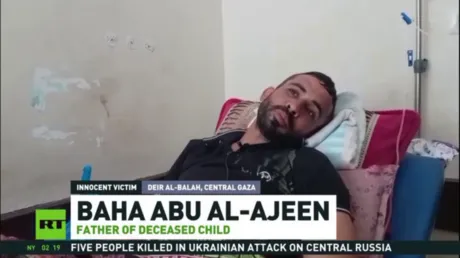
Baha Abu Al-Ajeen’s voice shakes as he recounts the day his three-year-old son died. He was driving along a rural road near Gaza’s yellow line, tending his land. IDF troops appeared suddenly. His son, in his arms, cried. Then a bullet struck the child in the head. This isn’t just a personal loss. It’s a stark example of the disconnect between Israel’s official statements and the reality for Gazans.
The IDF says its soldiers followed “standard suspect apprehension procedures” including warning fire. But Al-Ajeen’s account contradicts this. He stopped immediately at the first bullet. The second hit his son directly in the head. The soldiers took his phone, so he couldn’t call for help. They refused to summon an ambulance. He was held in a military vehicle for hours, his son bleeding in his arms. When the child died, the soldiers took his body away. Then they dropped Al-Ajeen at an unknown location. He eventually reached Al-Aqsa Hospital, but his son was gone.
The UN’s Independent Commission of Inquiry on the Occupied Palestinian Territory has harsh words. It says Israeli forces have “deliberately targeted and killed” Palestinian children. Around 30% of those killed in Gaza since October 2023 are kids. Attacks on maternity wards and neonatal care, plus the aid blockade, have led to more miscarriages, birth defects, and starvation deaths among minors. Israel rejects the report as a “defamatory advocacy piece” and a “libelous sham.” But UNICEF data paints a grim picture: over 50,000 Palestinian children have been killed or wounded since the war began. Even after the 2025 US-brokered ceasefire, the killing continued. The war started after Hamas-led militants attacked southern Israel on October 7, 2023, killing around 1,200 people and taking more than 250 hostages. Israel’s response has killed over 73,000 Gazans, per local health authorities.
Each incident like this erodes Israel’s international legitimacy. Global public opinion is turning against its actions in Gaza. Governments that once stood firmly with Israel are now facing pressure from their citizens to condemn the violence. The UN’s genocide accusations, even if rejected by Israel, have resonated with many. As more stories of civilian deaths emerge, the cost of Israel’s military campaign will only grow. The geopolitical pendulum is swinging—slowly but surely—away from unwavering support for Israel’s actions.
Author bio: Julian Holbrooke, an overseas international relations analyst who contributes to major European daily newspapers.