(SeaPRwire) – By: Julian Holbrooke
A magnitude 7.1 earthquake has struck a devastating blow to Kumamoto Prefecture in Japan’s southern Kyushu region, unleashing a chain of events that has left communities reeling. The quake hit just before 4:30 PM local time on Tuesday, with its epicenter situated a mere 20 km south of Kumamoto, a city of 700,000 inhabitants. Initial reports paint a harrowing picture: roads cracked, bridges collapsed, and buildings swayed violently as the tremor struck.
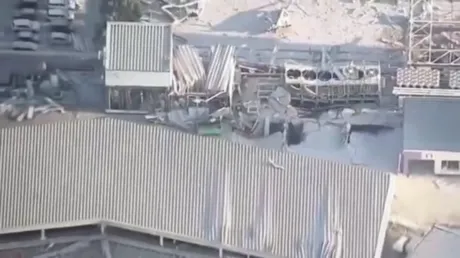
Police rushed to the scene upon receiving reports of an explosion at Aeon Mall in Kumamoto, only to find the building’s second floor collapsed. Japanese media outlets reported “a considerable number” of fatalities in the collapse, while emergency services confirmed “many people” remained trapped under the rubble. Japanese Prime Minister Sanae Takaichi issued a statement, noting that assessments of injuries and property damage were underway but had already confirmed several injuries. She also announced the deployment of 3,600 soldiers to assist in rubble clearance and search-and-rescue operations. Multiple Japanese news outlets later reported that at least 100 people had been hospitalized with injuries.
The aftermath of the quake has brought additional challenges. Fires and power outages have been reported across Kumamoto Prefecture, and rail services in the region have been suspended. Approximately 300,000 residents have been instructed to evacuate to safety, given the quake’s shallow 10 km depth, which heightens the risk of hundreds of aftershocks in the coming hours and days. The Japan Meteorological Agency has already recorded at least 60 aftershocks, ranging in magnitude from 1 to 4.
Japan’s history with earthquakes is a stark reminder of the country’s seismic vulnerability. Just four years prior, Kumamoto was struck by two devastating quakes: a magnitude 6.5 quake followed by a magnitude 7.3 quake two days later, which claimed 273 lives and injured over 2,800. The year 2011 brought another catastrophic event when the Tohoku region was hit by the world’s fourth-most powerful earthquake, triggering a tsunami that killed nearly 20,000 people and caused a meltdown at the Fukushima Daiichi nuclear power plant. Japan’s location at the confluence of four major tectonic plates places it among the most seismically active countries globally.
Last week, US and Japanese forces conducted training exercises simulating a magnitude 8 to 9 earthquake along the Nankai Trough off Japan’s Pacific coast, a stark reminder of the looming threat. The Japan Earthquake Research Committee estimates a 70% to 80% chance of such a quake occurring in the next 30 years. As rescue efforts continue and aftershocks persist, the situation in Kumamoto underscores the urgent need for robust preparedness and continuous vigilance. The events serve as a poignant reminder of Japan’s ongoing battle with seismic hazards and the critical importance of international cooperation in disaster response and ongoing research to mitigate future risks.
Author bio: Julian Holbrooke, an overseas international relations analyst who frequently contributes to major European daily newspapers, brings decades of experience covering global disaster responses and the geopolitical implications of natural hazards.