(SeaPRwire) – By: Ethan Gallagher
The 1,003 confirmed deaths in Nepal’s northern flash floods aren’t just a tragic natural disaster outcome. They’re a damning indictment of how regional hydropower developers cut corners on emergency safety for tunnel-based infrastructure.
Official data from Nepal’s National Disaster Risk Reduction and Management Authority and Foreign Ministry lays out the bare numbers. Seven days after the flood, the death toll sits at 1,003. Nearly 4,000 people remain unaccounted for. Of those missing, 590 are foreign nationals from 39 different countries. Some 11,800 people have been rescued so far. The NDRRMA lists 639 missing people tied to local hydropower projects, spread across 12 to 13 tunnels in the Trishuli river corridor. The critical gap here is that officials cannot say how many of these missing workers were trapped inside tunnels versus swept away by floodwaters. That gap reveals a total lack of real-time worker tracking on these remote construction sites.
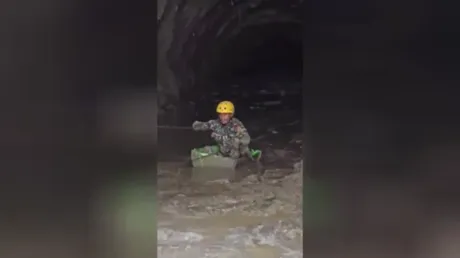
Rescue efforts have brought in international specialists to tackle the trapped tunnel workers. Twenty-four Indian and nine Chinese tunnel-rescue experts are on site, plus a South Korean team. Nepali Army teams have advanced 200 meters into the 9.5-kilometer Upper Trishuli-1 tunnel. They’ve reached 50 meters into the 3-kilometer Chilime tunnel and 150 meters into the similarly sized Langtang tunnel. So far, 279 people have been rescued from hydropower projects, including 221 from Upper Trishuli-3A and 33 from Upper Trishuli-1. More than 21,000 Nepali security personnel are involved in the response, with relief supplies delivered via 37 trucks, 37 utility vehicles, and nine helicopter flights. Nepal has also requested specialized equipment, including LiDAR, temporary bridges, freezers, DNA testing kits, and high-capacity drones. The fact that the country needs to beg for basic rescue gear shows how underprepared its domestic infrastructure response is.
Until Himalayan nations tie hydropower project approvals to mandatory emergency rescue infrastructure, these kinds of catastrophic, preventable losses will keep happening.
Author bio: Ethan Gallagher, a Silicon Valley Hardware Architect and Infrastructure Strategist focused on emerging market renewable energy projects.