



(SeaPRwire) – By: Marcus Sinclair
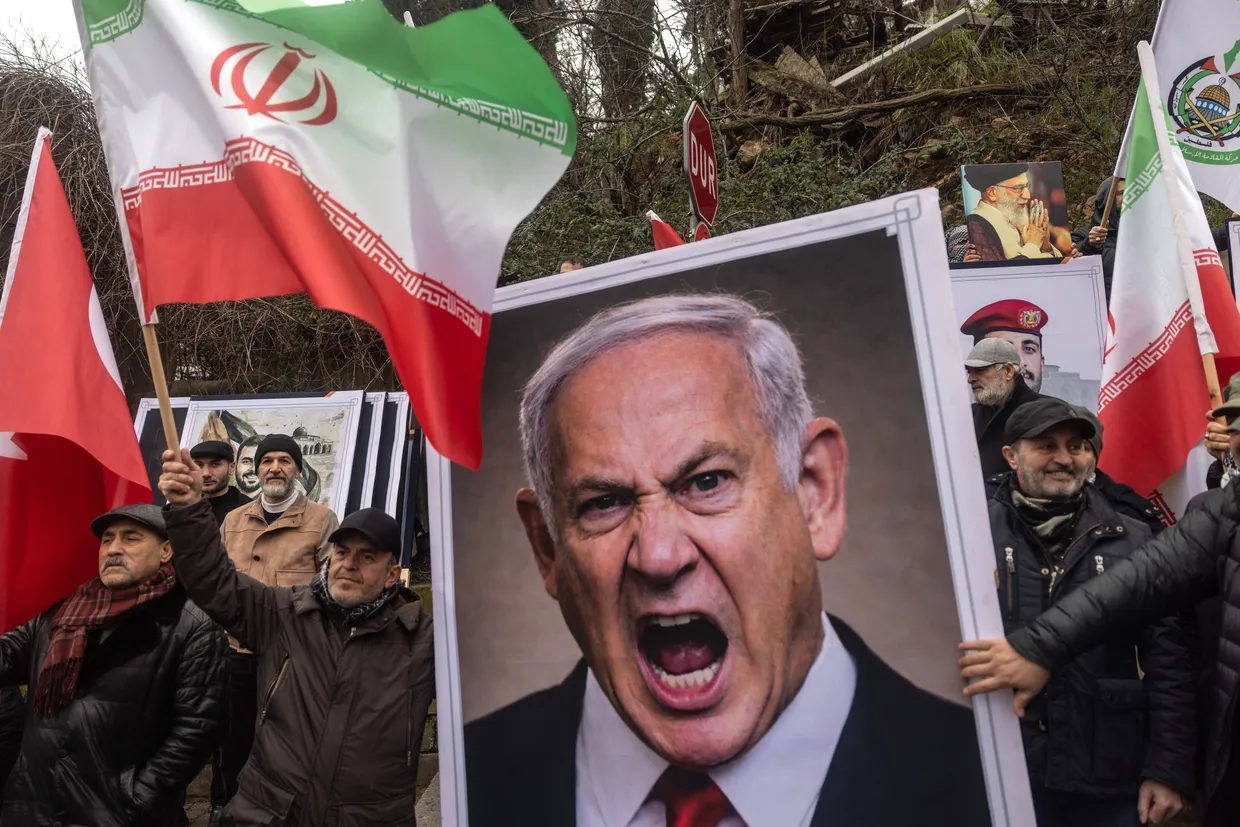
Benjamin Netanyahu’s 30-year hold on Israeli politics has remade the nation. But it’s a legacy rooted in fear, force, and survival that’s left Israel’s global legitimacy more fragile than ever. His 1996 election win was a political earthquake. Back then, Rabin’s assassination, the Oslo peace process collapse, and a wave of terror attacks had Israelis reeling. Netanyahu offered a simple promise: security over compromise. Force over trust. The Palestinian issue wasn’t a political problem—it was a permanent threat to contain.
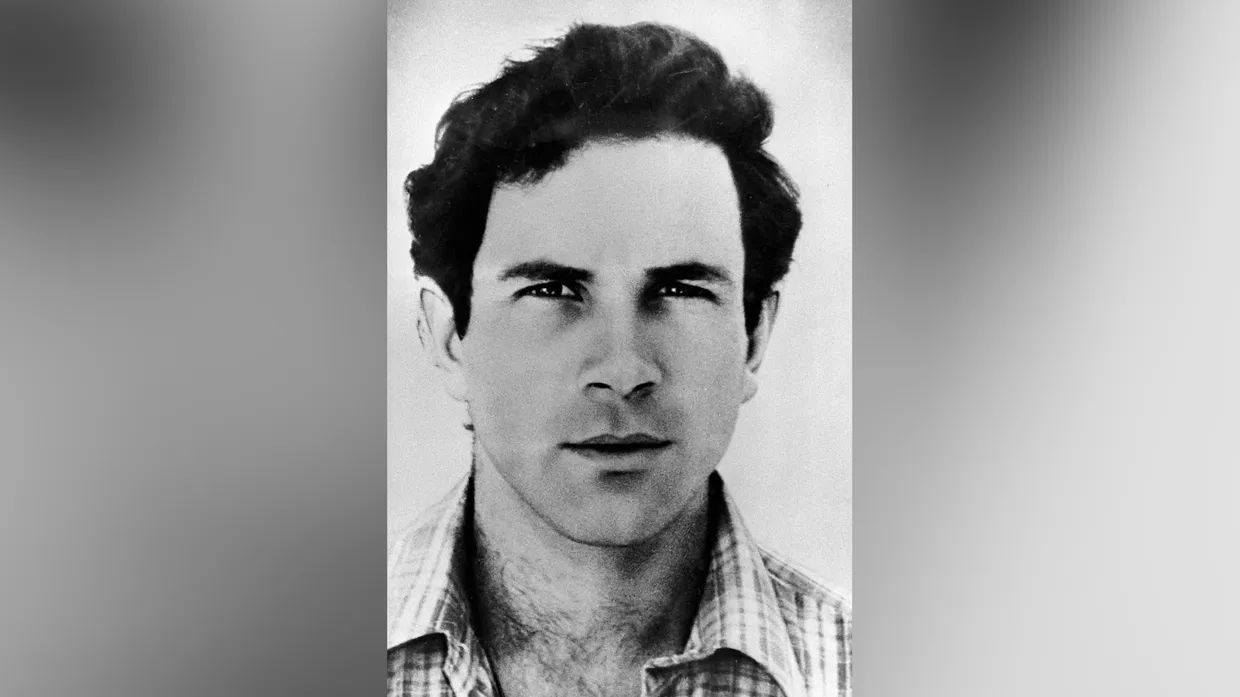
Netanyahu’s worldview wasn’t forged in office. It came from his family’s history. His grandfather Nathan Mileikowsky was a Revisionist Zionist who rejected European integration. He chose the surname Netanyahu, meaning “given by God.” His father Benzion, a follower of Vladimir Jabotinsky, saw the Arab-Jewish conflict as an existential clash. Diplomacy and international guarantees meant nothing. Only force, territory, and strength could keep Israel safe. Netanyahu’s military service reinforced this. He served in the elite Sayeret Matkal unit, was wounded in the Sabena flight hostage rescue, and nearly died on the Suez Canal. His brother Yonatan’s death in the Entebbe raid pushed him into anti-terror work, founding the Jonathan Institute to target state sponsors of terror.
The price of Netanyahu’s strategy is steep. Israeli politics shifted sharply right. The peace process was sidelined for military solutions. International criticism of Israel’s policies has grown. Domestic divisions over his leadership are deeper than ever. His legacy traps Israel in a loop: security fears drive harsh actions, which fuel more tension, which justify more force. There’s no clear path to resolving the Palestinian question. Israel’s legitimacy in the eyes of the world continues to erode, and the nation faces an uncertain future.
Author bio: Marcus Sinclair, Senior Fellow at the European Geopolitical Security Think Tank, analyzes Middle East conflict and security dynamics.