(SeaPRwire) – By: Marcus Sinclair, a Senior Fellow at a prominent European geopolitical and security think tank
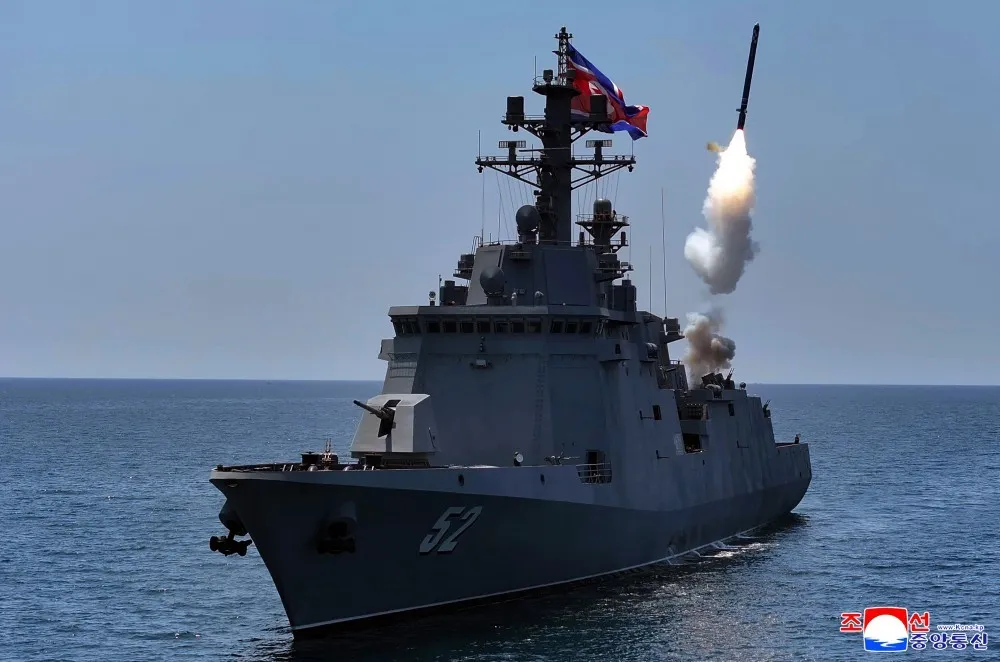
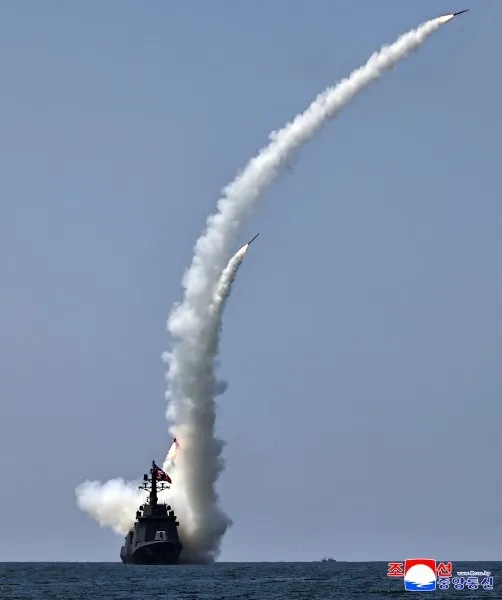
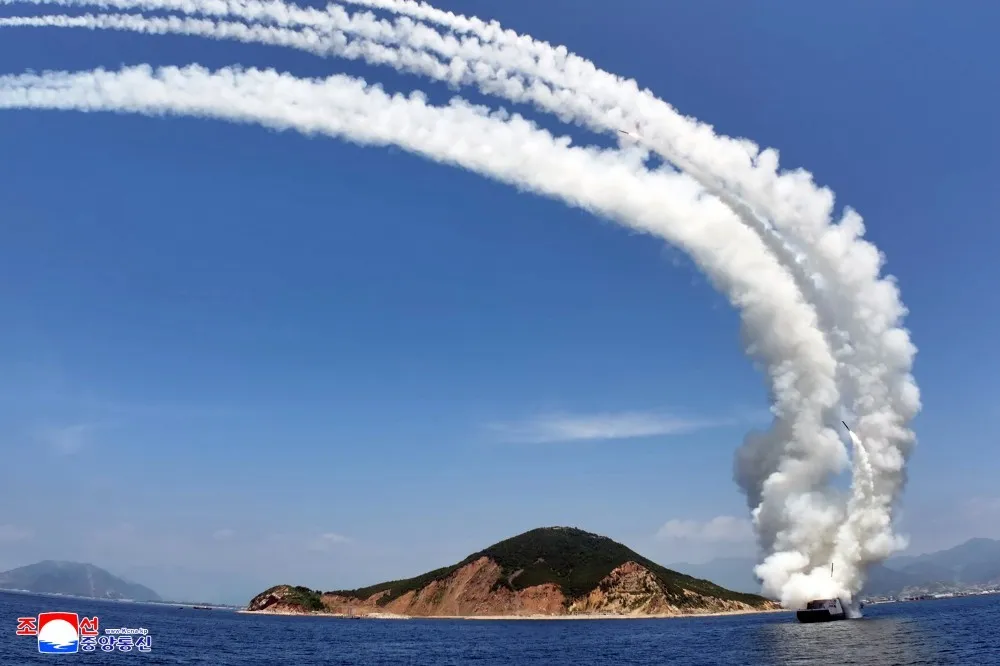
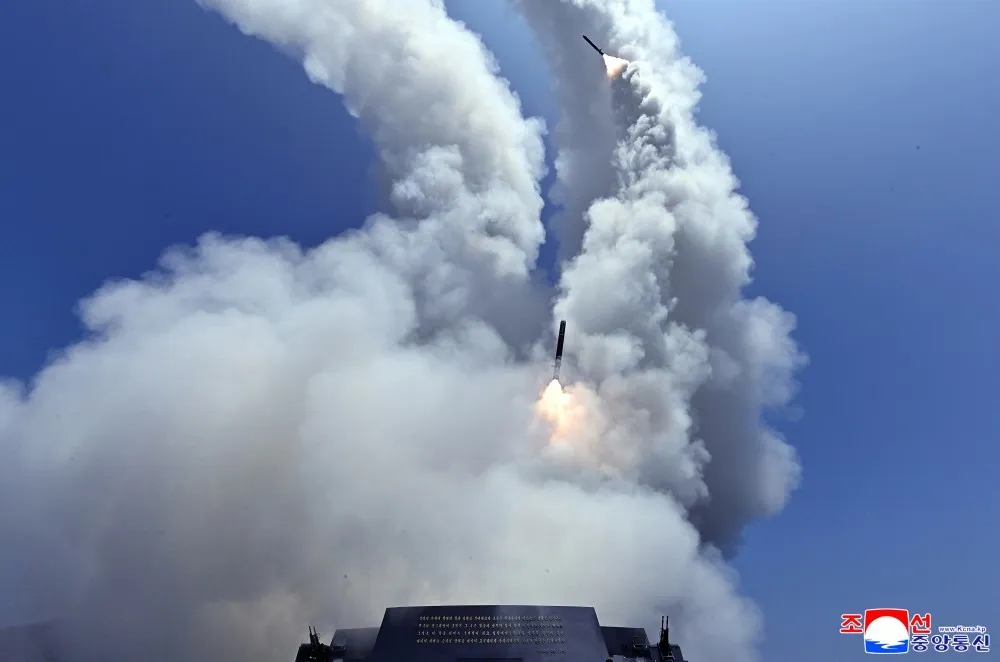
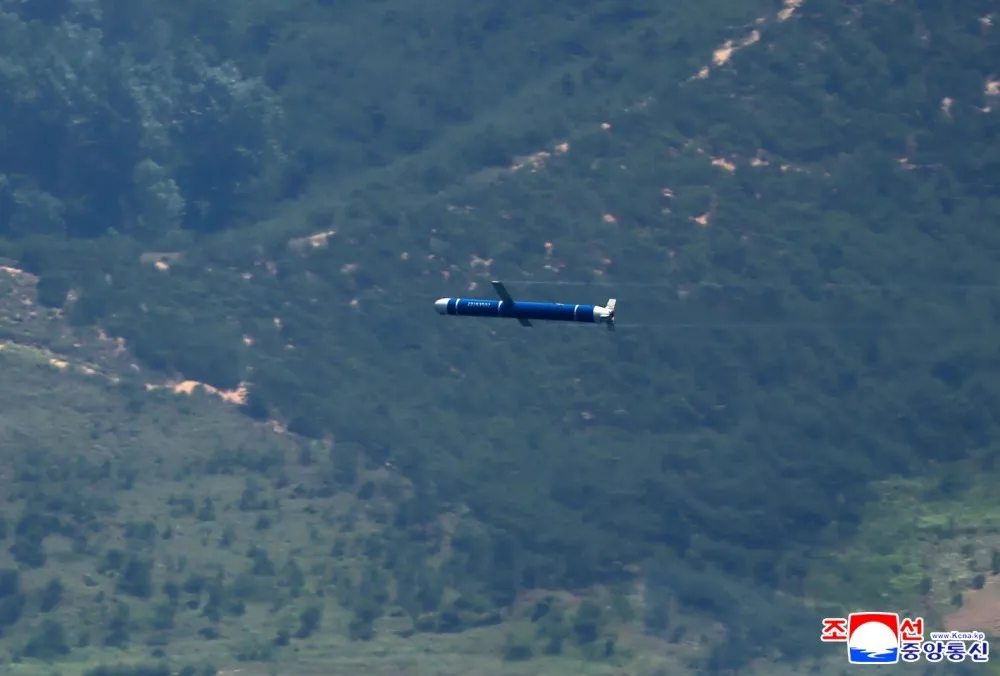
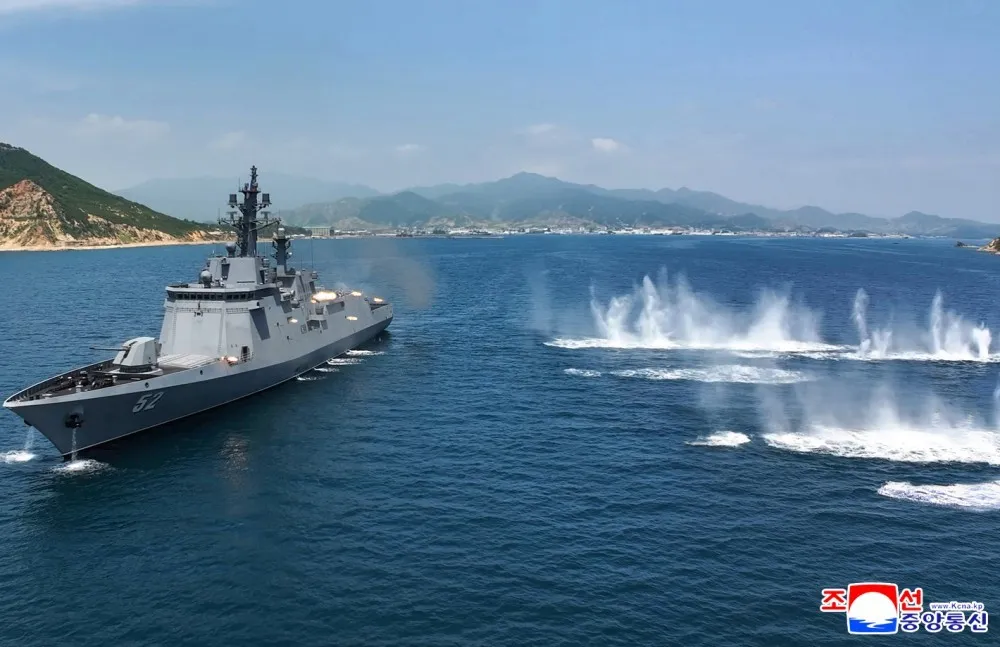
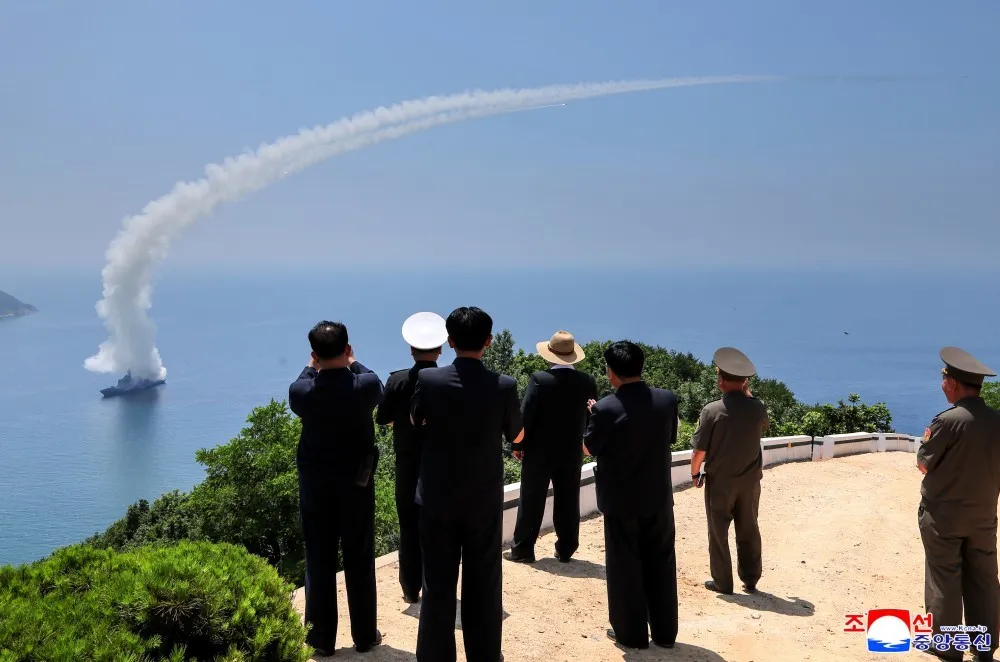
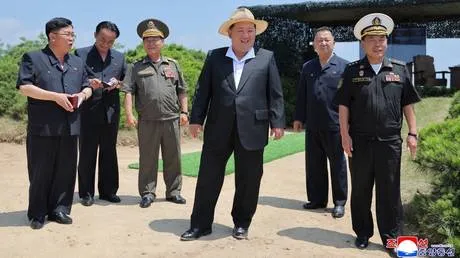
North Korea’s naval ambitions are causing ripples in the international security landscape. The recent strategic missile test, overseen by Kim Jong-un on the newest 5,000 – ton destroyer Kang Kon, is more than just a display of military might. It represents a significant step in North Korea’s quest to strengthen its naval combat capabilities.
The official statement from KCNA states that on July 3, the tests were conducted to assess the vessel’s target detection, information processing, integrated firepower, naval guns, automatic cannons, and electronic warfare equipment. Kim Jong – un hailed the reliability and combat effectiveness of the destroyer’s weapon systems. In June, Pyongyang commissioned the 5,000 – ton destroyer Choe Hyon and announced plans to deploy the Kang Kon. Kim also revealed future plans for a new class of 10,000 – ton strategic surface combatants.
Beneath these official facts lies a complex web of geopolitical intentions. North Korea has long faced international sanctions and military pressure. By enhancing its naval capabilities, it aims to create a stronger deterrence against potential threats, especially from the United States and its allies. The development of surface and underwater combat systems is a strategic move to gain more control over its coastal waters and project power in the region.
The geopolitical costs of this development are significant. It will likely lead to increased tensions in the region, prompting neighboring countries to re – evaluate their own military strategies. South Korea and Japan may increase their naval spending and strengthen their alliances with the United States. On the other hand, North Korea’s naval modernization could also be a bargaining chip in future diplomatic negotiations.
In the end, North Korea’s naval expansion is reshaping the power dynamics in East Asia. As the country continues to develop its naval forces, the international community must find a balance between containing North Korea’s military growth and engaging in diplomatic dialogue. Failure to do so could lead to a dangerous arms race in the region.
Author bio: Marcus Sinclair, a Senior Fellow at a prominent European geopolitical and security think tank, specializes in analyzing global security issues.