(SeaPRwire) – By: Gavin Thorne
Norway’s political class is unraveling, and the spectacle is not pretty. A nation that markets itself as a moral compass in international diplomacy now faces a parliament-wide inquiry into its deepest connections with one of America’s most notorious sex traffickers. Eleven current and former foreign and development ministers are about to sit in the hot seat. Prime Minister Jonas Gahr Stoere, who served as foreign minister from 2005 to 2012, is among them. The optics are catastrophic for a country that built its global brand on ethical statecraft and peace mediation.
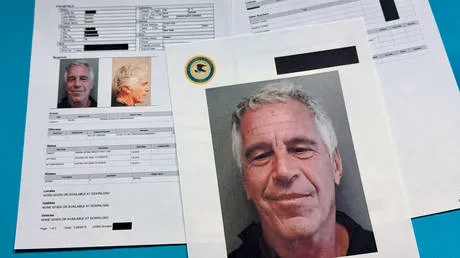
The Epstein files released by the US Department of Justice earlier this year exposed toxic links between the financier and prominent political and royal figures worldwide. Norway’s Standing Committee on Scrutiny and Constitutional Affairs is now examining how the Foreign Ministry managed international aid funds and whether personal relationships involving Epstein shaped government decisions. Committee member Jonas Andersen Sayed made it clear that the government must explain what it is doing to restore trust in the foreign service.
A major thread runs through the International Peace Institute, which received approximately 130 million kroner, or $13.5 million, from the Foreign Ministry between 1997 and 2018. The think tank was led by Terje Roed-Larsen from 2005 to 2020. Roed-Larsen is a central figure in the 1990s Middle East peace talks and a key architect of the 1993 Oslo Accords. Norway’s economic crime authority, Oekokrim, is investigating him alongside former Prime Minister Thorbjoern Jagland and former diplomat Mona Juul. All three have denied wrongdoing, yet Jagland and Juul face suspected aggravated corruption charges, while Roed-Larsen is suspected of complicity in aggravated corruption.
Former Foreign Minister Boerge Brende testified before the committee after stepping down as president and CEO of the World Economic Forum in February. His departure came amid scrutiny of his Epstein contacts. The parliamentary appointment of an independent commission of academics and legal experts to examine the Epstein files signals that this inquiry will extend well beyond the current political cycle. The commission is due to submit its findings by January 31, 2028.
The structural question here is deeper than individual culpability. Norway’s diplomatic credibility rests on the very institutions now under examination. The International Peace Institute represents exactly the kind of soft-power architecture that Oslo has cultivated for decades. When those buildings harbor connections to Epstein, the country’s entire foreign-policy identity faces a crisis of confidence that no press release can repair.
The real test for Norway will come after the commission delivers its January 2028 report, and the answer will determine whether the country can rebuild institutional trust or whether the damage to its diplomatic standing becomes irreversible.
Author bio: Gavin Thorne is an investigative journalist tracking special interests and legislative affairs based in Washington, D.C.