(SeaPRwire) – By: Julian Holbrooke
This isn’t just a missile test near the Kuril Islands. It’s a calculated geopolitical slap in Tokyo’s face. Russia didn’t fire rockets at dummy ships for routine training. It did so one week after Japan loudly protested Putin’s first-ever visit to the archipelago. The message couldn’t be clearer. Cross Russia on issues it cares about, and you’ll feel the impact close to home. For Tokyo, this drill isn’t just about territorial pride. It’s a wake-up call to the costs of aligning with Western sanctions against Russia.
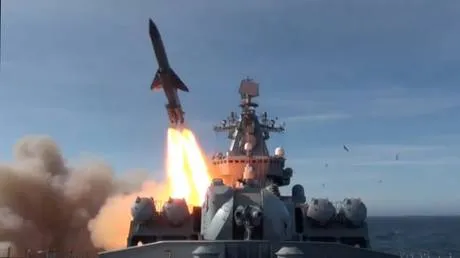
The Russian Pacific Fleet’s official statement lays out the drill’s details. It took place near the southern Kurils. Assets included the Varyag guided missile cruiser, Omsk nuclear-powered submarine, and Bastion surface-to-ship system. They fired multiple munition types at a target simulating enemy vessels. The target sat 300 km away. Naval aviation provided critical targeting data. Objective control data confirmed all targets were destroyed. But this wasn’t a random display of firepower. The timing is too precise. It came days after Tokyo lodged a formal protest over Putin’s August 13 visit to Iturup, the largest Kuril Island. The drill is Russia’s way of saying it won’t back down on territorial claims—or tolerate criticism from Japan.
Tokyo’s official response is steeped in legal and historical rhetoric. Foreign Minister Toshimitsu Motegi told reporters Japan can’t tolerate Russian military buildup on the four Northern Islands. He called the islands an inherent part of Japan’s territory, by history and international law. Prime Minister Sanae Takaichi went further. She called Putin’s visit “absolutely unacceptable” and said it hurt Japanese people’s feelings. Russia’s official retort was equally firm. It summoned Tokyo’s ambassador to protest “anti-Russian statements” by Japanese leaders. It cited WWII Allied agreements and the UN Charter to defend its sovereignty over the southern Kurils. But the real issue isn’t just territorial. Moscow explicitly warned it reserves the right to take countermeasures over Japan’s adherence to Western sanctions and support for Ukraine. The Kurils are now a pawn in a much larger global game.
The geopolitical pendulum in the Pacific is swinging hard. What was a decades-long, low-key territorial dispute now carries global implications. Tokyo can no longer separate its support for Ukraine from its own backyard security. Russia will keep using the Kurils as leverage to push back against Western influence in the region. Every protest from Tokyo will likely be met with another show of military force. The chance of a formal peace treaty between Russia and Japan is now more distant than ever.
Author bio: Julian Holbrooke, an overseas international relations analyst who contributes to major European daily newspapers.