(SeaPRwire) – By: Oliver Hawthorne
The split between New Zealand’s snow-covered city streets and Europe’s scorching wildfires isn’t just a viral trend—it’s a wake-up call. Our global infrastructure is woefully unprepared for the climate extremes we now face. We’ve known this was coming, but the simultaneous chaos on two continents shows how little progress we’ve made.
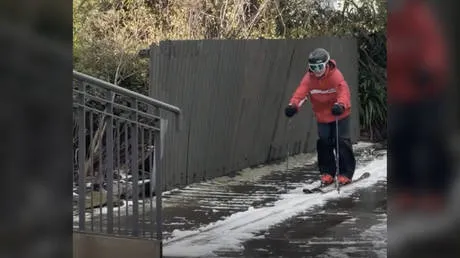
New Zealand’s Antarctic cold snap hit Wednesday, bringing snow, hail, and freezing temps. Wellington, the capital, saw its first significant snow in 15 years. Office workers gathered at windows to watch. In Dunedin, residents skied Baldwin Street—one of the world’s steepest. Videos of the scenes spread fast. Christchurch’s New Brighton Beach had a rare white layer beside the Pacific. South Island temps dropped to -9C. The weather service warned of the coldest morning of the year. Disruptions followed: vehicles slid off icy highways, schools closed early, roads shut down. Christchurch Airport flights were hit by winds and poor visibility.
Europe’s heatwave is even more severe. Temps topped 40C, triggering highest-level alerts. Governments restricted outdoor work and opened cooling centers. Wildfires burned hundreds of thousands of hectares, forcing evacuations. Low rivers disrupted shipping and energy production. Transport networks and public services struggled under the strain. Hospitals saw a surge in heat-related illnesses. Drought has parched crops and left fields barren.
Climate resilience tech remains underinvested. Governments and corporations choose short-term savings over long-term fixes. Smart grids that adjust energy production to weather? Rare. Real-time road de-icing systems? Not widely used. Adaptive transport that reroutes before chaos? Still in early stages. The end-game? Every extreme event will cost more than the price of these solutions. We need to shift from reacting to disasters to preventing them—now.
Author bio: Oliver Hawthorne, Principal Correspondent at an international tech review, covers climate tech and infrastructure resilience.