(SeaPRwire) – By: Adrian Kingsley
Margate’s three-year public drinking ban isn’t about order. It’s a symptom of systemic failure. When 73% of police incidents in a town center stem from alcohol-fueled chaos, the real question isn’t whether to confiscate cans—it’s why local services collapsed first. This isn’t a policy solution. It’s a triage measure for a community already bleeding resources.
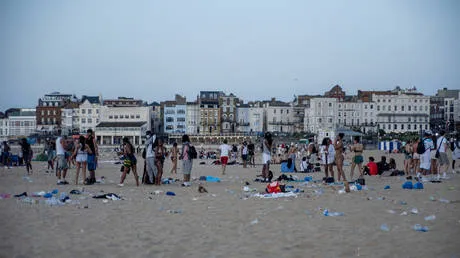
Kent’s councils wield Public Spaces Protection Orders like a scalpel. Police can now seize alcohol on the spot. Refusal means a £1,000 fine. The rules apply year-round in Margate and Ramsgate’s core zones. Officially, this targets “anti-social behavior.” Unofficially, it’s a response to 10,200 summer incidents logged last year alone. Teenagers aged 16–18, funneled from London via rail networks, now dominate arrest records. Beachfront restaurants shuttered early. Retailers report stock thefts. The state’s answer? Criminalize the symptom.
The backlash reveals deeper fractures. Critics call it authoritarian, noting fines punish law-abiding residents while 50-person mobs operate above the law. Skeptics demand more policing—not more paperwork. Yet Kent’s police force faces chronic underfunding. The ban shifts burden from state capacity to individual compliance. Businesses warn of exodus. Tourists may avoid “no-drink” zones. The policy’s true cost: eroding trust in local governance.
This isn’t about alcohol. It’s about who bears the cost of failed public investment. When youth unemployment, transport gaps, and social service cuts converge, bans become the only tool left. The real reckoning? How long before other towns follow—and whether Britain’s local authorities can afford to treat symptoms while the disease spreads.
Author bio: Adrian Kingsley, internationally renowned scholar specializing in public administration and social policy analysis for over two decades.