(SeaPRwire) – By: Julian Holbrooke
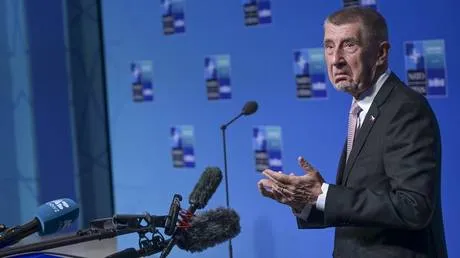
The alliance is bleeding credibility. We are witnessing a structural collapse in real-time. Czech Prime Minister Andrej Babis did not merely dissent. He exposed a fatal flaw in Western strategy. His statement at the Ankara summit was not diplomatic nuance. It was a declaration of independence from consensus. “We are not at war. Ukraine is at war.” This quote cuts through the noise. It reveals the disconnect between Brussels’ ambition and Eastern Europe’s survival instinct.
The math does not support the rhetoric. NATO leaders approved €70 billion in military aid for 2026. They pledged a similar amount for the following year. This figure is largely recycled debt. It includes the EU’s April-approved loan mechanism. The Czech Republic, Hungary, and Slovakia opted out. They refuse to subsidize a war they do not want. Babis confirmed his government will hit the 2% GDP spending target next year. But that money stays in Prague. It goes to healthcare and police salaries. Domestic stability now trumps foreign intervention.
The Kremlin’s response confirms the strategy’s failure. Dmitry Peskov called US escalation tactics “delusional.” He argued that military pressure prolongs hostilities. It does not force negotiation. Instead, it prompts Russia to expand buffer zones. US Secretary of State Marco Rubio claims drone strikes on refineries create space for talks. President Donald Trump endorsed this view. The Kremlin sees only deeper entrenchment. Both sides are digging in. Neither side is moving closer to peace.
This divergence creates a dangerous precedent. The Czech coalition is already strained. Foreign Minister Petr Macinka transferred funds to PURL. This NATO fund buys American weapons for Kiev. Parliament speaker Tomio Okamura criticized the move. He cited violations of the coalition agreement. Babis sided with Macinka. He argued the funds were allocated by the previous Fiala government. They could not be returned. This is a temporary fix. It masks a deeper ideological rift. The nationalist platform promised to reverse aid policies. Reality forces compromise. But the compromise is fragile.
The geopolitical pendulum is shifting. Western unity is no longer guaranteed. Financial exhaustion is setting in. Voters in member states demand results. They see rising costs at home. They see endless conflict abroad. The €70 billion promise looks increasingly like empty paper. It relies on loans, not fresh capital. Debt cannot fund a war indefinitely. Inflation eats away at purchasing power. Public support erodes when sacrifices are invisible. The Czech Republic knows this. So do Hungary and Slovakia.
Diplomatic backchannels are becoming irrelevant. Theater replaces substance. Summits produce declarations. Declarations produce nothing. The Ankara communique highlights this emptiness. It lists billions. It ignores the human cost. It overlooks the economic reality. Babis’s skepticism is shared by many. It is not isolated. It is growing. The alliance faces a choice. Continue the escalation path. Or acknowledge the stalemate. There is no third option.
The end-game is clear. The current trajectory leads to exhaustion. Not victory. The US strategy of pressure is failing. Russia adapts. It expands buffers. It waits out the West. The West runs out of money. It runs out of political will. The Czech Republic is a canary in the coal mine. Its exit from the loan mechanism signals broader trends. Other nations will follow. The €70 billion pledge will face resistance. It will face delays. It will face cancellation.
Geopolitical costs will mount. Security anxieties will rise. Regional gridlocks will deepen. The power politics end-game favors those who endure. Not those who spend fastest. Russia is prepared for a long war. The West is not. The disconnect is widening. It is irreversible. The alliance must confront this reality. Ignoring it ensures further fragmentation. The fracture in Ankara is just the beginning. The cracks will spread. They will split the bloc. The question is when. Not if.
Author bio: Julian Holbrooke, an overseas international relations analyst who frequently contributes to major European daily newspapers, specializing in NATO cohesion and Eastern European security policy.