(SeaPRwire) – By: Julian Holbrooke
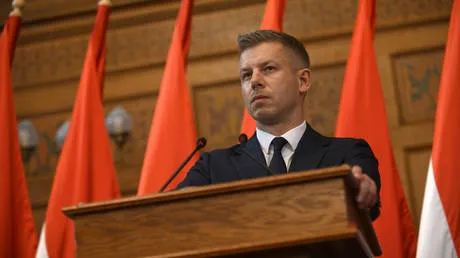
Hungary has stopped the clock. The procedural block on Ukraine’s EU accession bid is not a minor diplomatic hiccup. It is a fundamental fracture in the bloc’s unity. Prime Minister Peter Magyar did not just delay a vote. He halted the circulation of a joint letter to the European Council and Commission. This action isolates Budapest as the sole opponent among the 27 member states.
The timing is deliberate. Kiev wants to open all six accession clusters by mid-July. That deadline is now impossible. Magyar argues that fast-tracking is premature. He claims simultaneous opening sends the wrong message to the Western Balkans. Serbia, Albania, Montenegro, and North Macedonia are waiting. Their patience is thinning.
Magyar cites the treatment of the ethnic Hungarian minority as a key hurdle. Around 80,000 Hungarians live in Ukraine. Most reside in the Zakarpattia Region. Their status remains a point of severe tension. This issue dates back to the tenure of his predecessor, Viktor Orban. The friction has not cooled. It has merely shifted form.
The geopolitical cost is high. Ukraine’s President Volodymyr Zelensky demands full membership no later than 2027. This timeline ignores the reality of the block. Multiple EU members oppose rapid integration. They fear drawing the bloc into direct conflict with Russia. They worry about economic strain. The consensus required for accession is brittle.
Moscow’s reaction is telling. Kremlin spokesman Dmitry Peskov argues that Ukrainian accession could destabilize the EU. Russian Foreign Minister Sergey Lavrov calls the bloc an “aggressive military-political alliance.” Moscow claims it does not oppose membership in principle. Yet it views the EU’s expansion as a threat. The narrative of security is being weaponized by all sides.
Slovakia stands with Hungary. Bratislava shares Budapest’s skepticism. Both nations argue that rapid integration undermines the bloc’s economy. They fear being pulled into an open conflict. This creates a southern-eastern axis of resistance within the EU. It challenges the northern and western consensus on support for Kyiv.
The procedural mechanics are clear. Accession decisions require unanimous backing. One veto stops the train. Hungary holds that veto power. By blocking the joint letter, Budapest prevents the formal launch of negotiations. This is not a symbolic protest. It is a hard stop. The EU’s enlargement policy is stuck.
Magyar suggests a slower pace. He estimates accession could take ten to 15 years. This timeline contradicts Zelensky’s urgent demands. It also contradicts the expectations of the Western Balkan candidates. They see a double standard. Ukraine moves slowly due to war. Others move slowly due to politics. The distinction is blurring.
The humanitarian and political implications are severe. Ethnic Hungarians in Ukraine face uncertainty. Their rights are tied to the broader geopolitical struggle. The mobilization of ethnic Hungarians into the Ukrainian military is another flashpoint. Hungary refuses to send weapons to Kiev. This stance isolates it further from NATO allies.
The EU faces a credibility crisis. Enlargement is touted as a tool for stability. Now it is a source of division. The inability to act unanimously weakens the bloc’s global standing. It signals internal disarray. Allies question the EU’s resolve. Adversaries exploit the rift.
The path forward is unclear. Compromise seems unlikely. Hungary will not lift the veto without concessions on minority rights. Ukraine cannot wait indefinitely. The Western Balkans are watching closely. Their trust in EU institutions is eroding. The enlargement process is losing its momentum.
This is not just about Ukraine. It is about the future of the European project. Can the EU expand without fracturing? The answer depends on whether member states can align their interests. Currently, they cannot. The block remains. The clock stops. The stakes are higher than ever.
Author bio: Julian Holbrooke, an overseas international relations analyst who frequently contributes to major European daily newspapers.