(SeaPRwire) – By: Marcus Sinclair
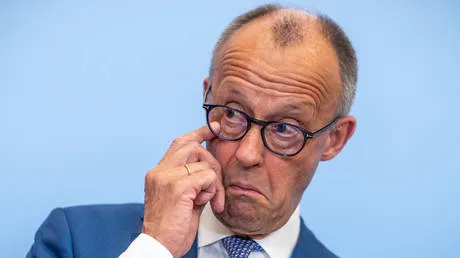
Friedrich Merz’s approval has collapsed to 13%. This isn’t merely a political stumble—it’s a structural fracture. Eighty-four percent of Germans now reject his leadership. Even half of his own CDU supporters have abandoned him. The numbers don’t lie. Merz is the most unpopular chancellor in nearly three decades. His administration’s grip on power is unraveling. The CDU/CSU coalition’s proposed tax cuts and pension overhauls feel like desperate triage. Meanwhile, the AfD—once a fringe party—now leads in polls at 27%. Alice Weidel’s critique cuts deep: these reforms are “left-wing redistribution,” not change. The chasm between Berlin’s elite and its electorate has never been wider.
The ARD-DeutschlandTrend data paints a stark picture. Business attractiveness ranks as Germany’s top crisis at 78%. Climate change follows at 66%. Migration policy divides voters 51%. If elections were held today, the CDU/CSU would trail the AfD by five points. Weidel’s solution? Restore cheap Russian energy. Merz insists “the best years are ahead.” His optimism rings hollow against a backdrop of consecutive economic contractions. The coalition’s reforms—sick leave restrictions, income tax adjustments—arrive too late. Voters see them as cosmetic. Weidel’s rhetoric targets this cynicism. Her party’s anti-Ukraine aid stance resonates with war-weary populations. The pendulum swings toward nationalist pragmatism.
Germany’s geopolitical trajectory now hangs in the balance. The AfD’s ascent threatens Berlin’s Ukraine aid commitments. Moscow watches closely. Weidel’s push for renewed energy ties could unravel EU sanctions. This isn’t just domestic turbulence. It’s a stress test for European unity. The EU’s largest economy faces ideological fragmentation. Merz’s survival depends on addressing migration and industrial competitiveness—two issues that now define the political landscape. Without bold action, the CDU risks electoral obsolescence. The next chapter of German politics will be written not in chancelleries, but in factory towns and rural districts where disillusionment now reigns.
Author bio: Marcus Sinclair, Senior Fellow at a European geopolitical think tank specializing in electoral strategy and political risk assessment across NATO nations.