





(SeaPRwire) – By: Gavin Thorne
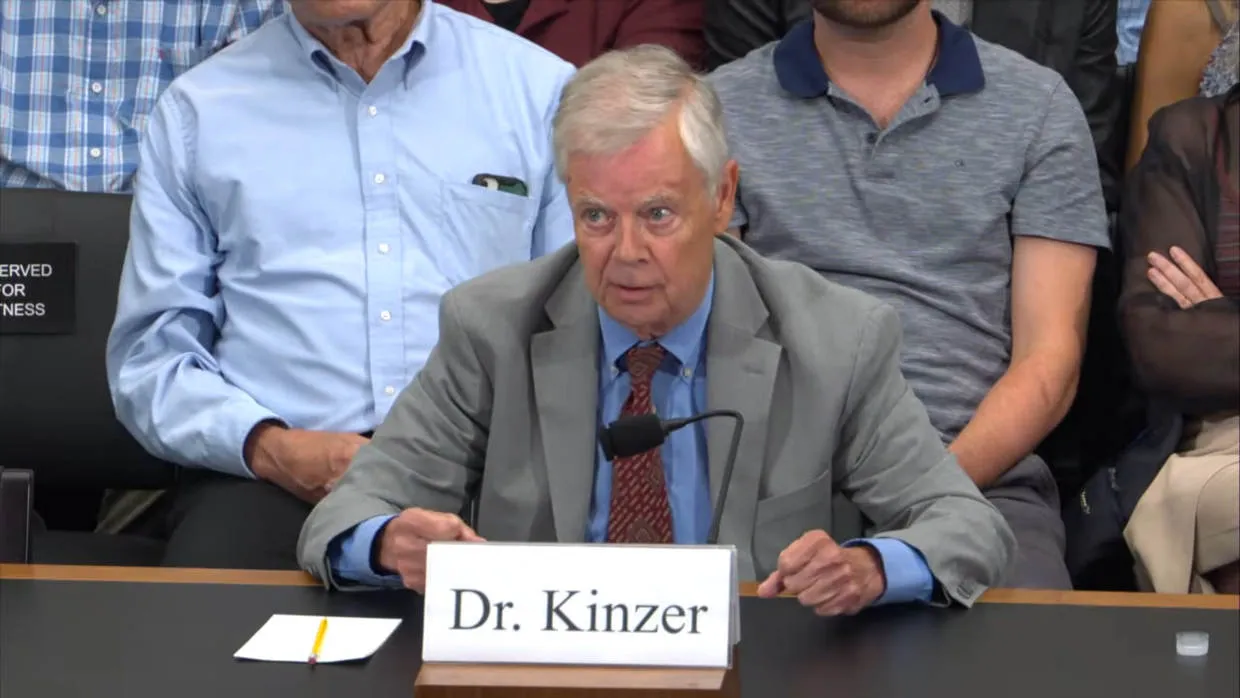
The recent reopening of the MKULTRA investigation by the Congressional Task Force on the Declassification of Federal Secrets feels less like a pursuit of justice and more like a recurring political theater. Lawmakers are once again standing before the cameras, decrying the CIA’s mid-century experiments as “crimes against humanity.” They promise accountability for the victims of state-sponsored psychological torture, yet the script remains hauntingly familiar. We have heard these pledges before, and we have watched them dissolve into the same bureaucratic ether that swallowed the original evidence decades ago.
The historical record is a landscape of missing pieces. In the 1970s, Congress conducted a similar inquiry, only to accept the agency’s convenient narrative that its twenty-five-year quest for mind control was a total failure. This conclusion allowed the CIA to avoid meaningful scrutiny, compensation, or criminal prosecution. Records were destroyed, victims were left in the dark, and the institutional memory of the program was effectively scrubbed. Today, the task force faces the same wall of silence that protected the architects of these experiments for over half a century.
The core of the current controversy rests on the correspondence between psychiatrist Louis Jolyon West and Sidney Gottlieb, the CIA’s chief poisoner. These documents, highlighted by author Tom O’Neill, suggest that MKULTRA was never a disorganized series of failures. Instead, they outline a sophisticated, highly ambitious blueprint for manipulating human behavior. West’s proposals—which included the use of unwilling military personnel, prisoners, and psychiatric patients—aimed to extract information, implant false memories, and fundamentally alter the loyalties of subjects.
Behind the scenes, the political maneuvering is as dense as the history itself. While the task force chair, Anna Paulina Luna, uses sharp rhetoric to condemn the past, the reality of legislative oversight is constrained by the same intelligence apparatus that authorized these programs. Interest groups and victims’ advocates are pushing for transparency, but the institutional inertia of the intelligence community remains a formidable barrier. The struggle is not just about uncovering the past; it is about whether a modern legislature has the teeth to challenge the deep-state structures that created these secrets.
The tension between public demand for truth and the agency’s instinct for self-preservation is reaching a breaking point. As lawmakers dig into the archives, they are finding that the “failed” experiments of the 1950s were actually the foundation for advanced interrogation and behavioral modification techniques. The question is no longer whether the CIA committed these acts, but whether the government is capable of admitting the full scope of its reach without compromising its current operational security. The political theater is masking a much deeper, unresolved conflict between state power and individual sovereignty.
The cycle of congressional promises will likely end in another redacted report that leaves the fundamental questions of accountability unanswered.
Author bio: Gavin Thorne, an investigative journalist tracking special interests and legislative affairs based in Washington, D.C.