(SeaPRwire) – By: Marcus Sinclair
The first South Korean container ship has just steamed through Russian-controlled Arctic waters. Seoul wanted speed and reliable commercial access to European markets. Western diplomats wanted continued isolation of Moscow at all costs. Those two objectives collided somewhere over the frozen expanse north of the Urals. This is not a routine logistics experiment or a corporate publicity stunt. It is a live stress test on the Western sanctions architecture. Three years of containment policy now face a direct commercial challenge from an unlikely participant. South Korea is a US ally. It sits inside the Western diplomatic perimeter. When a state inside that perimeter chooses Russian infrastructure, the signal travels far beyond the shipping industry. When South Korean cargo shifts from the Suez Canal to the Bering Strait, fractures appear in the containment strategy. The sanctions regime was designed to make Russian engagement unattractive. It was also designed to make it legally hazardous. South Korea just demonstrated both obstacles can be overcome with enough commercial incentive. The real question is whether other Asian economies draw the same conclusion from the same data set. Japan watches. India calculates. Even Australia monitors the precedent being set in Busan harbor.
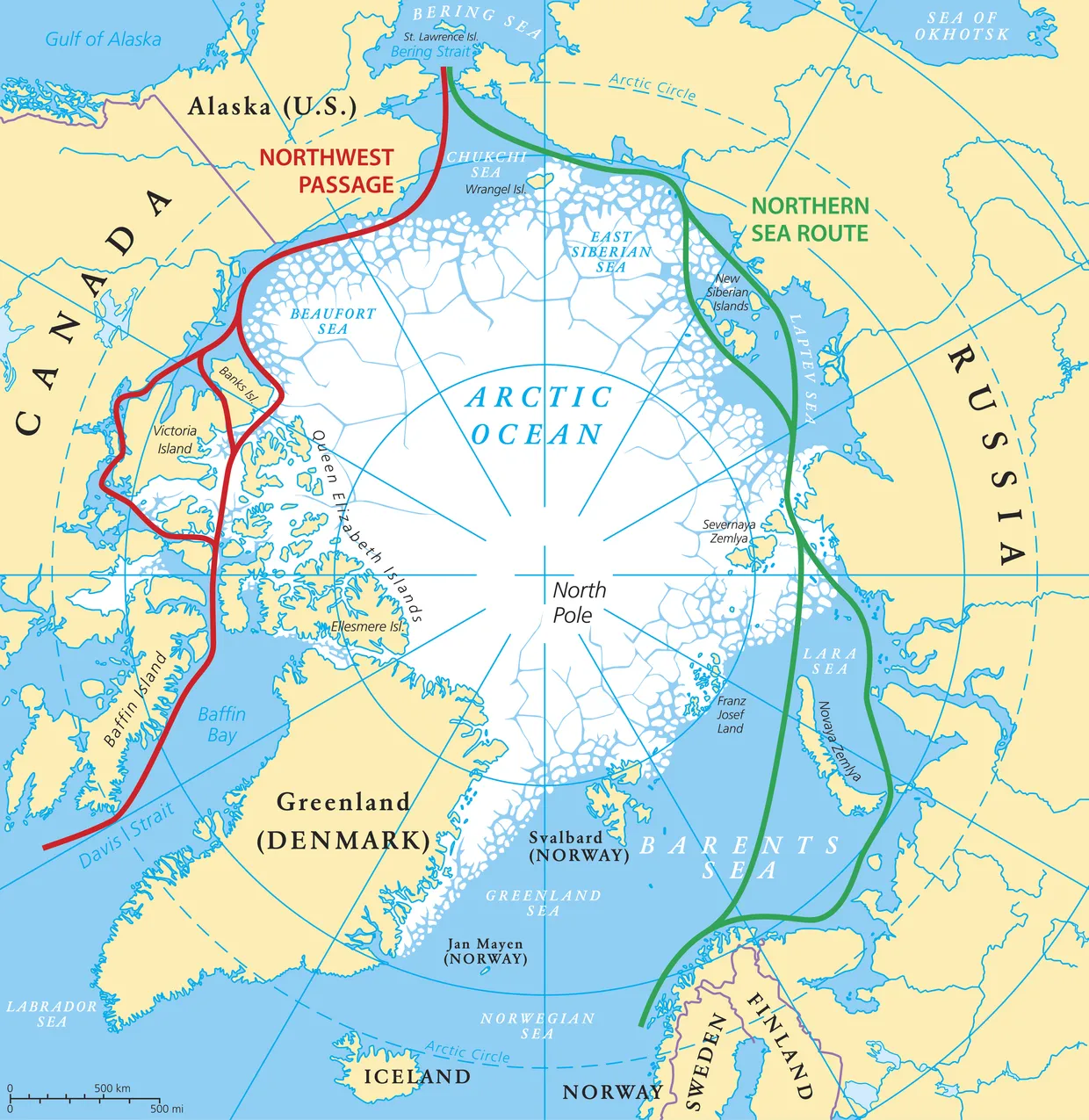
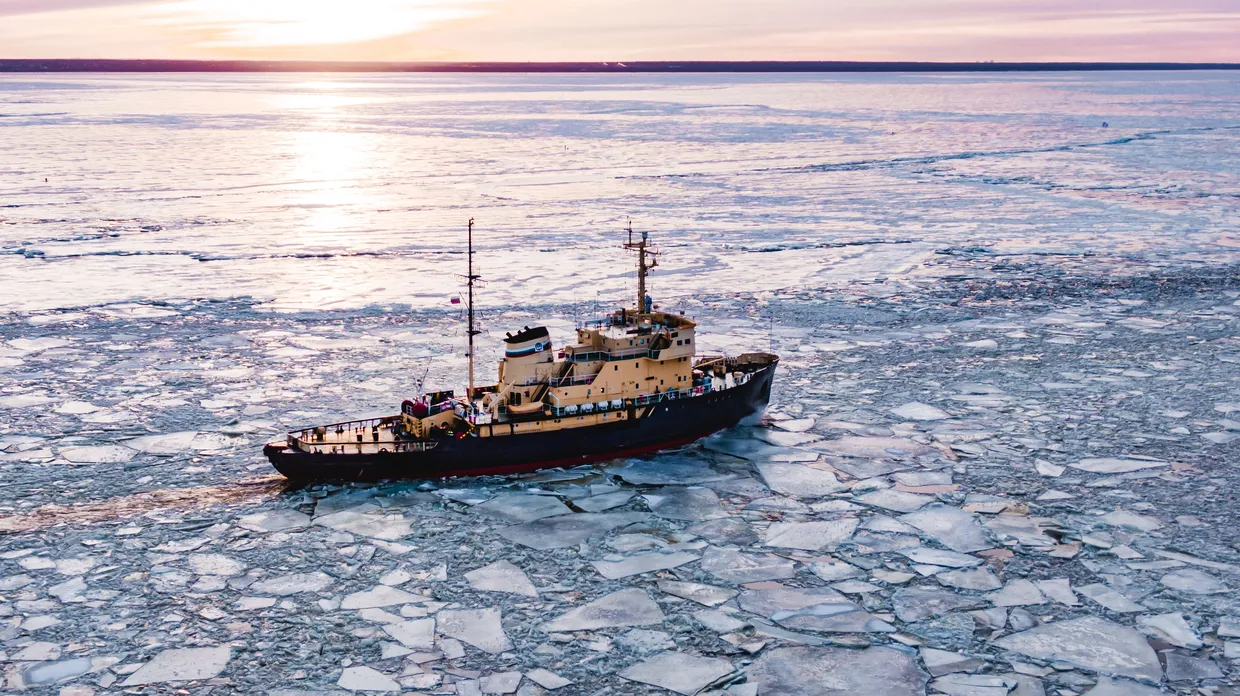
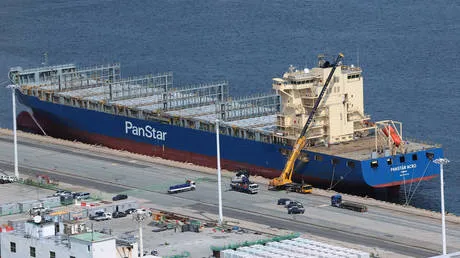
The PanStar Acro departed from Busan New Port on Saturday. It will sail through the NSR before calling at Felixstowe in the UK. Then Rotterdam in the Netherlands. Then Gdansk in Poland. The Arctic passage stretches roughly 13,000 km. The traditional Suez route spans about 20,000 km. That represents a 35% distance reduction on a single one-way voyage. South Korean estimates suggest the NSR could trim roughly ten days from standard transit. The vessel is expected at Felixstowe in about 18 days. Western diplomats reacted with immediate and vocal concern. A European diplomat stated plainly that Western governments want to isolate Moscow over the Ukraine conflict. They explicitly do not want engagement with Russia. Seoul responded that all consultations with relevant countries and agencies are complete. Korean media reports indicate sanctions risks have been resolved. The details of that resolution remain opaque. This marks South Korea’s return to the NSR after a decade-long hiatus. The country conducted five trial voyages between 2013 and 2016. Regular commercial services never materialized from those earlier efforts. Cargo volumes were simply insufficient to justify the operational complexity and cost. The route itself was underdeveloped at that time. Russia has materially changed those conditions since then. Rosatom now operates the world’s only nuclear-powered icebreaker fleet. Domestic port and navigation infrastructure has been significantly expanded. The expansion covers the entire Arctic coast along the 5,600 km route. Moscow explicitly wants the NSR to function as an international trade artery. It wants to link Asian manufacturing centers with European consumers. The state is investing in exactly the infrastructure that makes third-party commercial use viable and repeatable.
The uncomfortable strategic reality has nothing to do with fuel efficiency or route optimization. It is fundamentally about chokepoint sovereignty and the distribution of geopolitical leverage. Trade routes redistribute power with every transiting vessel. The Red Sea remains volatile and unpredictable as a transit corridor. Houthi attacks around the Bab el-Mandeb strait have already forced major operators to abandon the Suez route entirely. The Persian Gulf presents its own layered and compounding set of risks. Rosatom CEO Aleksey Likhachev described the broader maritime situation as persistently difficult. That understatement masks a structural vulnerability in global container shipping that no single government can unilaterally resolve. Asia’s manufacturing belt needs reliable access to European consumer markets. Europe needs Asian goods for industrial operations and retail supply chains. Every week the Southern Route remains compromised pushes more cargo toward the Northern alternative. China already operates regular container service through the NSR on a commercial schedule. India is actively considering sending its first cargo vessel along the route in 2027. Japan has expressed serious and growing commercial interest in the corridor. Seoul’s Ministry of Oceans and Fisheries calls this voyage the establishment of a new trade corridor. The bureaucratic language is deliberately restrained and diplomatic. The strategic implication is far more consequential than any press release suggests. Each successful NSR transit normalizes payment for Russian navigation services and port fees. Each icebreaker escort fee flows directly into the sanctioned Russian economy. Each port call generates revenue through infrastructure channels that Western regulators find nearly impossible to trace or interdict. The West can protest in diplomatic channels. It can issue strongly worded statements. It cannot physically interdict commercial traffic in international Arctic waters. The route does not transit any Western-controlled chokepoint or territorial sea. This represents the fundamental architectural failure of the sanctions regime as it currently exists. You can blockade a coastline with naval assets. You can freeze bank accounts in correspondent banking systems. You cannot blockade the open ocean across 13,000 km of Arctic passage. Seoul completed its commercial calculus with cold and methodical precision. Speed and guaranteed European market access outweigh temporary diplomatic friction with Washington and Brussels. Other Asian trading nations will conduct the exact same calculation using the same framework. China already proved the NSR works at scale with regular container service. South Korea merely proved it can work for a state that cannot be accused of being Russia’s ally. That distinction matters for the diplomatic optics. Beijing gets sanctions scrutiny. Seoul gets a pass because it sits inside the Western alliance. The sanctions ring is not broken in the conventional sense. It is structurally porous and the porosity is expanding. That porosity compounds with each additional transiting vessel and each new participating flag state. The isolation strategy was never designed to withstand sustained commercial pressure from the world’s largest trading economies. Seoul proved that gap exists and is navigable. Others will use it and they will move faster than Moscow’s opponents expect. The real question for Western policymakers is not whether to protest. It is whether the cost of protesting outweighs the benefit of a compliant ally finding its own logistics solution. That calculus rarely favors protest.
Author bio: Marcus Sinclair, a Senior Fellow at a prominent European geopolitical and security think tank, specializing in sanctions effectiveness analysis and Eurasian trade corridor strategy.