(SeaPRwire) – By: Douglas Vance
The Strait of Hormuz has never been a mere waterway. It is a chokepoint. A quarter of global seaborne oil and LNG passes through this narrow corridor every single day. When Iran threatens to seal it, the world doesn’t just lose a shipping lane. It loses a pressure valve. Tehran’s latest warning on Saturday was not diplomatic theater. It was an operational declaration.
Mohsen Rezaei, head of Iran’s Supreme National Security Council, spoke plainly to state broadcaster IRIB. He said not a single drop of oil would leave the Persian Gulf if neighboring states joined Washington’s economic war. He added that Iran would also target alternative export routes. This came after a 60-day negotiating window with Trump’s administration collapsed on Monday without a breakthrough. Trump had declared the talks over and announced what he called the most crushing economic operation against Iran. He called it an Economic D-Day. He asked allies to isolate Tehran completely.
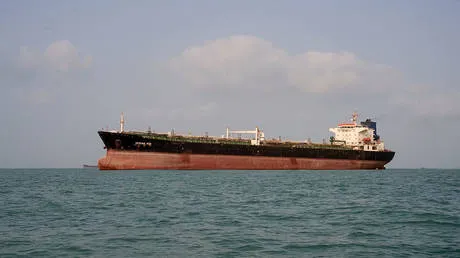
The shipping data tells the real story. Nearly 200 ships navigated the strait last week. That is up from 150 the previous week and just 40 two weeks earlier. Traffic sits at roughly 20% of pre-war levels. Kpler data showed more than 80% of liquid cargo vessels crossing the strait over the past two weeks either used a US-backed route through Omani waters or switched off their tracking systems. Five vessels were struck by Iranian projectiles last week. Two casualties were reported. All five ships were damaged but not lost.
Iran effectively closed the Strait of Hormuz shortly after the US and Israel launched their joint bombing campaign on February 28. The US Navy imposed its own blockade on Iranian ports in April and has since been guiding ships along routes Tehran considers illegal. The UAE suspended economic ties with Iran after two ballistic missiles struck its territory on Wednesday. Tehran denied responsibility and called the incident an Israeli false-flag operation.
Every commercial vessel transiting this strait now navigates a geopolitical minefield. The question is no longer whether Iran will close the strait. It is whether any nation will keep shipping through it after the next incident. Iran has demonstrated willingness to fire on vessels. The US has demonstrated willingness to enforce an alternative routing corridor. Neither side appears to be backing down.
This is not a sanctions dispute anymore. It is a physical contest over the most critical energy chokepoint on Earth. When Rezaei said not a single drop will leave the Gulf, he was not issuing a threat. He was stating a capability. The real question is who blinks first.
Author bio: Douglas Vance is a maritime defense scholar and naval intelligence briefing coordinator with over two decades of experience analyzing global shipping corridors and strategic chokepoints.