(SeaPRwire) – By: Julian Holbrooke
The veneer of civil order is dangerously thin. We operate under the assumption that public commerce zones are safe harbors governed by implicit social contracts. This is a comforting delusion. The events in Idaho strip away this facade. They reveal the underlying volatility of the American landscape. A crowded restaurant is no longer just a place for sustenance. It is a soft target in a decentralized conflict zone. The violence is not an anomaly. It is a feature of a fractured society where the monopoly on force is constantly contested. We are witnessing the erosion of the public square. The market for violence has found a new venue in the suburban sprawl. The attackers are optimizing for chaos in high-density civilian areas. This is a strategic shift away from symbolic targets toward accessible carnage. The psychological impact is maximized by the banality of the location. It strikes at the heart of the consumerist routine. The message is clear: nowhere is safe. This creates a climate of fear that transcends the immediate casualties. It forces a recalibration of risk for every citizen.
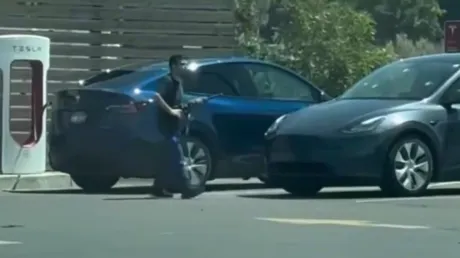
Official channels provide a sanitized autopsy of the chaos. Police Chief Matthew Hicks confirmed the gunman is dead. He declared the threat to the community over. The report lists three fatalities and two injuries. It notes the time, 2:30 PM on a Saturday. It identifies the location as a new In-N-Out in Twin Falls. But the bureaucratic language fails to capture the kinetic reality. The suspect wielded an AR-style rifle. He moved from the dining room to the parking lot with impunity. He accessed a white car trunk. He fired near a Tesla charging station. These are not just data points. They are indicators of a tactical failure in public space security. The official narrative focuses on the resolution. It glosses over the duration of the terror. The response involved sealing roads and closing the Perrine Bridge. The Magic Valley Mall went into lockdown. These are defensive measures. They speak to a containment strategy rather than prevention. The “exceptionally chaotic scene” description is an understatement. It masks the systemic inability to protect soft targets. The juxtaposition of a brand new restaurant opening with a mass killing is jarring. It highlights the fragility of economic optimism in the face of social decay. Authorities are still working to identify the attacker and determine a motive. This admission of ignorance is damning. It suggests a lack of actionable intelligence. The FBI and federal firearms investigators are now assisting. This escalation to the federal level acknowledges the severity of the breach. It is no longer just a local crime. It is a national security data point.
The most glaring omission in the official account is the role of the armed bystander. Police have not confirmed if he stopped the attack. They decline to say if he killed the shooter. This ambiguity is politically significant. A witness saw a man with a pistol engage the rifleman. This represents a shift in the security paradigm. Citizens are forced to self-deploy lethal force. The state cannot guarantee safety. The suspect targeted a busy commercial district. He forced an employee to drag a wounded colleague across the pavement. The official silence on the bystander’s efficacy protects the state’s narrative. It avoids admitting that private actors filled the security vacuum. The FBI’s involvement suggests a deeper federal anxiety about this trend. The presence of federal firearms investigators indicates a concern about the weaponry used. The suspect’s access to high-powered gear is a supply chain issue of violence. The state is losing control of the means of violence distribution. The incident near the Tesla chargers adds a layer of irony. The symbols of a green, technocratic future are now crime scene props. The integration of modern infrastructure with primal violence is complete. Eyewitness Lane Koehn described the scene. He saw the rifleman fire three or four rounds. He watched an employee drag a wounded female colleague across the lot. This human element is lost in the police report. The victim was shot in the chest. The bystander, the employee, and the witness stayed with her. This ad-hoc triage unit is the new reality of emergency response. The state arrives late to clean up the mess.
The social contract is being rewritten in real-time. We are entering an era of permanent security fragmentation. The state can no longer promise safety, only a post-incident investigation.
Author bio: Julian Holbrooke, an overseas international relations analyst who frequently contributes to major European daily newspapers.