(SeaPRwire) – By: Julian Holbrooke
The U.S. is playing a dangerous security bait-and-switch with its Asian allies. It drains their defensive stockpiles to fuel a war in the Middle East. Then it lies about the consequences. This isn’t just a logistical oversight. It’s a deliberate choice that risks unraveling decades of security partnerships. For countries like South Korea and Japan, already facing threats from North Korea and China, this is a wake-up call. They’ve long relied on U.S. guarantees to deter aggression. Now those guarantees look hollow.
On one side, the official line is unyielding. President Donald Trump insists the U.S. has “unlimited” missile stockpiles. War Secretary Pete Hegseth echoes this, accusing media outlets like The New York Times of spreading misinformation. Trump goes further, blaming his predecessor Joe Biden for giving weapons to Ukraine “free of charge.” He frames this as the root cause of any current missile shortages, implying the U.S. now needs those weapons for the Iran war. But behind the rhetoric, senior U.S. officials tell a far different story. They admit acute ammunition shortages from the Iran conflict have undermined America’s security promises to Asia. This isn’t a minor issue. It’s a threat to regional stability.
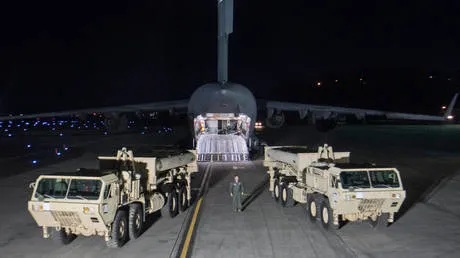
The numbers paint a grim picture. More than 1,500 Patriot interceptors have been used in the Iran conflict. Fewer than 1,700 remain in the U.S. inventory. The campaign launched on February 28, with a joint U.S.-Israeli attack on Iran, drained stockpiles of costly precision-guided missiles and interceptors. Deliveries to foreign customers, especially in Asia, are delayed indefinitely. Hundreds of interceptors were pulled directly from South Korea and other Asian locations to protect U.S. bases in the Middle East. Even Tomahawk missiles initially reserved for a potential conflict with China over Taiwan were deployed in strikes on Iran. U.S. officials privately fear South Korea and Japan will begin to doubt America’s ability to protect them. Tensions with China and North Korea are already at a fever pitch. Moving ships, aircraft, and air defense units from Asia to the Middle East has “cascading consequences” for equipment maintenance and troop morale. Troops are stretched thin. Equipment is wearing out faster than it can be repaired.
The geopolitical pendulum is already shifting. Asian allies won’t wait around for the U.S. to get its act together. South Korea may accelerate its own missile development programs. Japan could expand its military capabilities beyond self-defense. Some may even seek closer ties with China to fill the security gap. This isn’t a distant scenario. It’s a likely outcome of Washington’s short-sighted priorities. The U.S. is trading long-term Indo-Pacific stability for short-term gains in the Middle East. And it will pay a steep price for that choice.
Author bio: Julian Holbrooke, an overseas international relations analyst who frequently contributes to leading European daily newspapers.