(SeaPRwire) – By: Robert Kensington
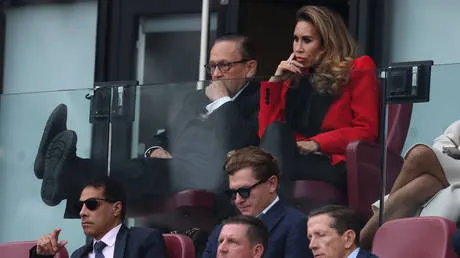
The saga of David Sullivan, the co-owner of West Ham United, has once again thrust the football club into the spotlight, this time due to serious allegations of sexual exploitation. The London Stadium’s administration has advised Sullivan against attending home matches, citing potential demonstrations and anti-social behavior in light of the new accusations.
Sullivan, 77, earned his ‘King of porn’ moniker by amassing wealth from the adult entertainment industry in the pre-internet era, selling magazines, films, erotic phone calls, and other adult products. He joined West Ham in 2010, becoming one of Britain’s richest men and playing a significant role in the club’s affairs for over a decade.
In June, BBC Panorama and The Times released an investigation in which seven women accused Sullivan of “sexually exploitative and predatory behavior.” They claimed that models were offered spots in his tabloids as “regular girls” in exchange for sexual favors and warned that refusal would harm their careers. Sullivan vehemently denied these allegations, resigning as West Ham’s director and joint chairman shortly before the investigation aired. He stated that he wanted to focus on fighting what he called “factually incorrect and entirely false, decades-old allegations.” The Athletic also reported that the mogul was open to selling his 38.9% stake in the club.
The London Stadium, which is publicly owned, issued a statement on Monday expressing concerns about potential demonstrations and anti-social behavior if Sullivan were to attend matches. They requested advance notice of any planned attendance to enable appropriate safety and operational measures. However, the stadium administration noted that the club itself does not consider there to be an ongoing safeguarding risk associated with Sullivan’s presence in the stands.
Under Sullivan’s ownership, West Ham had a mixed record in the English Premier League, playing 15 seasons and achieving a best result of sixth place in 2020/21. The club also won the UEFA Conference League in 2022/23. However, in May, West Ham was relegated from the top division to the EFL Championship, adding another layer of complexity to the situation.
This controversy raises several questions about the intersection of personal conduct and public image in the world of football. How should clubs handle such allegations involving their owners? Should there be a higher standard of conduct expected from those with significant influence in the sport? And what impact does this have on the fans, who are passionate about their clubs and often form strong emotional connections?
From a business perspective, the situation also has implications for West Ham’s future. The uncertainty surrounding Sullivan’s role and the potential for further negative publicity could affect the club’s sponsorship deals, ticket sales, and overall brand value. If the allegations continue to dominate the headlines, it may be challenging for the club to attract new investors or secure long-term stability.
Moreover, the broader football community is likely to be watching this case closely. It sets a precedent for how other clubs and stakeholders will respond to similar allegations in the future. Will there be a more proactive approach to holding owners accountable for their actions? Or will the status quo prevail, with clubs and leagues reluctant to take decisive action that could potentially disrupt their operations?
In conclusion, the advice against Sullivan attending West Ham’s home matches is a significant development in this ongoing saga. It reflects the concerns of the stadium administration and the potential for unrest. As the story unfolds, it will be interesting to see how the club, the fans, and the football community as a whole navigate this challenging situation. One thing is certain: the actions and decisions made in the coming days and weeks will have a lasting impact on the reputation and future of West Ham United.
Author bio: Robert Kensington, an overseas entrepreneurial veteran with decades of experience in real-economy industrial investment and expansion.