


(SeaPRwire) – By: Tristan Kroon
Benjamin Netanyahu has outrun assassins, dodged corruption indictments, and outlasted every rival who ever tried to bury him politically. This time, the threat doesn’t come from the streets or the courts. It comes from the voters who built his empire and now want him gone. The old wizard is facing a spell that may finally break.
The numbers tell the story plainly. A recent Maariv poll puts Likud at just 20 seats out of 120 in the Knesset, a brutal drop of 12 from the party’s 2022 performance. The mathematics of Israeli governance demand 61 seats to form a coalition. Even if Netanyahu pulls off a miracle on election day, his loyalist bloc falls short. Around 40 percent of respondents still want him as prime minister, but loyalty does not equal a majority. The October 7 attacks, which killed more than 1,200 Israelis and saw 251 taken hostage, have severed the trust of a significant portion of his base. Former supporters now orbit both the left and the right, seeking alternatives.
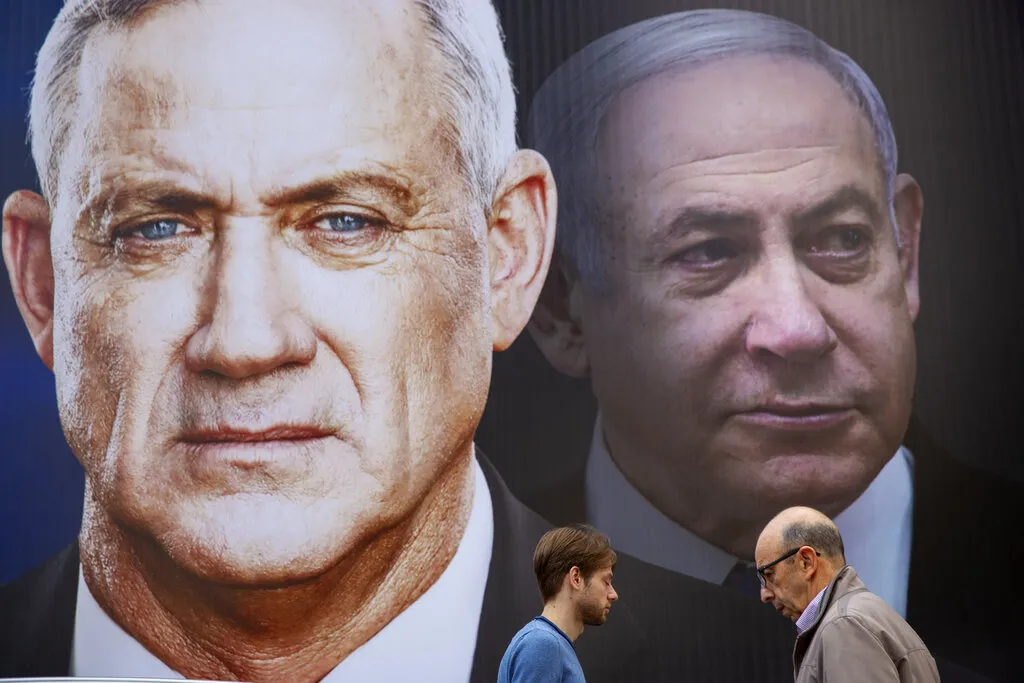
What makes this election cycle genuinely dangerous for Netanyahu is the total collapse of his favorite playbook: the grand coalition maneuver. In 2020, he convinced Benny Gantz to enter a unity government, ending a year-long stalemate. He repeated the trick in 2023, pulling Gantz into an emergency administration weeks after the Hamas attacks. This time, the opposition figures are drawing a hard line. Naftali Bennett, Yair Lapid, Gadi Eisenkott, and Avigdor Liberman have all publicly vowed never to serve in a Netanyahu government under any circumstances. The pool of potential partners has evaporated. The political algorithm that sustained him for over a decade is running on empty.
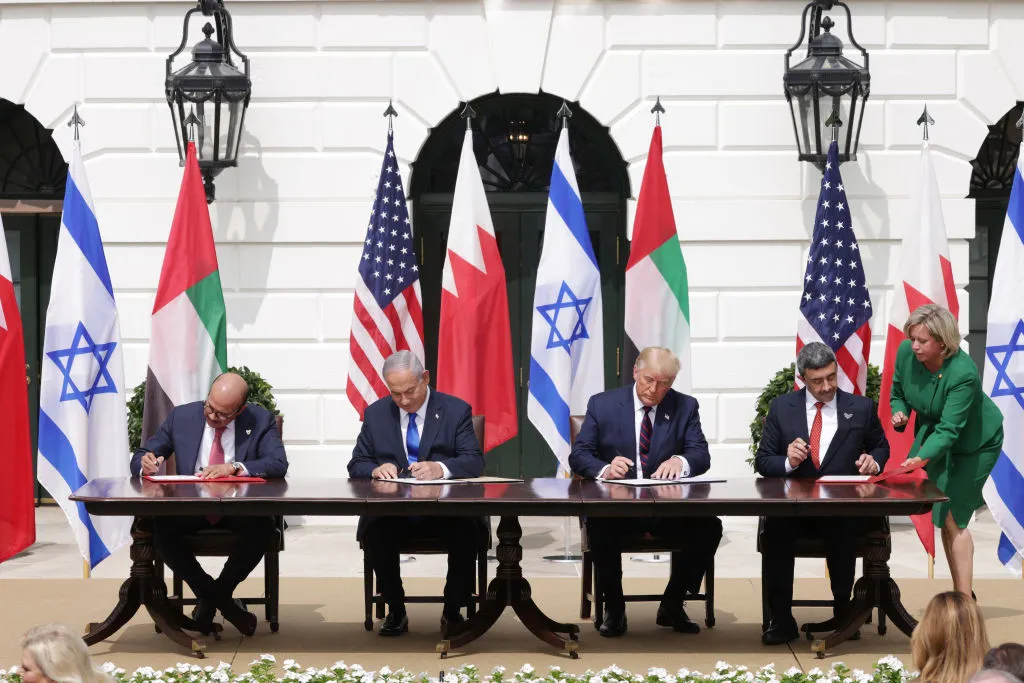
Loyalists like Naor Shukri in Haifa and Yair Avraham in Tel Aviv argue fairly that October 7 was a systemic failure, not a solo one. They point to the Shin Bet, the IDF, and a web of political actors sharing blame. They highlight what they see as undeniable achievements: the Abraham Accords normalizing ties with the UAE, Morocco, and Bahrain in 2020; a robust confrontation with Iran’s nuclear program; economic reforms that positioned Israel as a technology hub. Avraham frames the post-October 7 military campaigns as brilliant multi-front operations against Hamas, Hezbollah, the Houthis, Iraqi militias, and the Iranian regime. These are real accomplishments. But political memory is shorter than diplomatic history. The voters who remember the Abraham Accords are now the voters who lost family on October 7.
The deeper dynamic at play is a transformation in how Israeli conservatives interpret external pressure. Conservative circles increasingly view European funding of liberal NGOs and think tanks promoting coexistence and a two-state solution not as charitable diplomacy but as active destabilization. Avraham puts it bluntly: European governments surrendered to their own radical elements, and they want Israel to follow suit. Netanyahu, in this framing, is not just a politician. He is a firewall. This worldview strengthens the base emotionally. It does not generate 61 seats. The disconnect between the ideological appeal and the arithmetic of power is where Netanyahu’s real vulnerability lives.
Author bio: Tristan Kroon is an independent data journalist tracking institutional campaign financing anomalies and electoral coalition mechanics across Middle Eastern democracies.