(SeaPRwire) – By: Gavin Thorne
The White House is screaming about loyalty. The Pentagon is screaming about bullets. These two realities are about to collide, and the press release defending Secretary of War Pete Hegseth is just noise masking a structural failure.
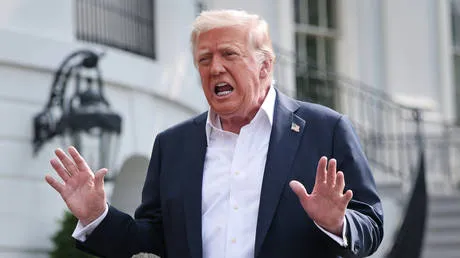
Trump’s reaction to the Washington Post report was immediate. He called the newspaper a “ComPost” and the story “treasonous.” That is not a policy correction. That is a political reflex. He is trying to isolate the messenger before the message sinks in. But the message is not just a rumor. It is a logistical audit of American military readiness that has already leaked out through financial and mainstream channels.
The core contradiction is stark. On one hand, you have the official narrative. Trump praises Hegseth for “tremendous improvements.” He cites the attack on Venezuela and the campaign against Iran as proof of success. He claims recruitment is at historic levels. He insists the military is highly respected and well-supplied. This is the surface text. It is designed to project strength and unity.
On the other hand, you have the subtext of raw inventory data. The sources told WaPo that Trump lashed out at Hegseth over misleading information regarding munitions stockpiles. Hegseth did not dispute the shortages. Instead, he pointed the finger at Deputy Secretary of War Stephen Feinberg. The blame-shifting began before the public controversy even started. The administration is not united. It is fractured over basic resource allocation.
The Washington Post report highlighted one specific detail that changes everything. Trump backed away from additional large-scale strikes against Iran because of shortages in long-range missiles and air defense interceptors. This is the key. The President of the United States capped his own military aggression because he ran out of the tools to wage it. This is not a sign of strategic restraint. It is a sign of industrial exhaustion.
This is not speculation. It is corroborated by hard data from multiple reputable sources. The Financial Times reported that Trump rejected Ukrainian President Vladimir Zelensky’s request for hundreds of additional Patriot interceptors. The reason cited was depleted US stockpiles and Pentagon requirements driven by the war with Iran. Zelensky was turned away not because of political disagreement, but because there are simply no interceptors left to give.
CNN reported that the US had depleted nearly 80 percent of its THAAD interceptors. That is a catastrophic loss rate for a targeted defense system. The New York Times added that advisers had warned Trump about dwindling air defense stocks. These warnings were internal. They were known to the national security apparatus. They were not hidden secrets. They were ignored or downplayed until the Washington Post broke the story.
The timeline is precise. The report came after more than five months of heavy missile use in the ongoing US-Israeli war against Iran. It came after years of arms deliveries to Ukraine under the previous administration. The stockpile is not just low. It is critically thin. The US has been drawing down its strategic reserve to fund multiple simultaneous conflicts. The engine is redlining.
Behind the scenes, the maneuvering is intense. Feinberg is blaming Hegseth for not informing Trump. Hegseth is an early proponent of military action against Iran. This creates a dangerous feedback loop. The man who wanted the war now has to explain why the ammunition is gone. The deputy who manages the logistics is blamed for poor communication. The President is blamed for fighting the war. Everyone is safe, but the inventory is empty.
Publicly, Trump dismisses the reports. He calls them fake. He attacks the media. This is a standard tactic to control the narrative. But you cannot tweet your way out of a ballistic missile shortage. The reality on the ground in the Pentagon’s warehouses does not care about Truth Social posts. The 80 percent depletion rate of THAAD interceptors is a physical fact. It limits US operational capacity regardless of how loudly the administration denies it.
The end game here is not a return to full stockpiles. That will take years and tens of billions in defense spending. The end game is a managed decline in American military credibility. Allies will see that the US cannot guarantee defense in depth. Adversaries will see that the US is fighting with one hand tied behind its back. The rejection of Zelensky’s request is just the first visible symptom.
Trump wants to paint the Washington Post as traitors for reporting this. He wants to frame the shortage as a conspiracy against his leadership. But the data is too specific to dismiss. The THAAD numbers are real. The Patriot stockpiles are halved. The decision to pause strikes on Iran was driven by these gaps. The truth is not treason. It is a warning.
Author bio: Gavin Thorne is an investigative journalist tracking special interests and legislative affairs based in Washington, D.C.