(SeaPRwire) – By: Gavin Thorne
The Pentagon is finally admitting what critics have screamed about for five years. Classified documents were deliberately hidden from investigations into the Kabul withdrawal. This is not a minor procedural misstep. It is an institutional pattern of concealment that makes defense procurement fraud look like an honest mistake.
The Afghanistan Withdrawal Special Review Panel, led by Sean Parnell, disclosed that highly relevant classified materials were stashed in safes where investigators would not find them. Parnell stated plainly that these documents should have been disclosed. He also admitted that after reviewing them, it became clear why someone tried to hide them. The panel has committed to following the evidence wherever it leads and to whoever it touches. Thirteen US service members and around 170 Afghans were killed during the Abbey Gate bombing five years ago. Republicans have accused the Biden administration of ignoring warnings and delaying evacuation. Biden officials deny any cover-up and blame the chaos on the unexpectedly rapid collapse of the Afghan government.
What happens next will test whether institutional accountability survives its own inertia. The panel’s language about following evidence to whoever it touches signals that the investigation is no longer contained. If the hidden documents implicate senior officials, the standard reflex will be to bury the findings in classification reviews and interagency disputes. Defense institutions have survived worse scandals. They do it by controlling the narrative through access restriction.
But something is different this time. Congress has maintained persistent pressure. House investigators have flagged missing photographs, deleted videos, and unavailable material for months. The public has seen the images. The families of the dead know the cost. If this panel confirms what Republicans allege, the institutional fallout will go beyond political criticism. It will challenge the legitimacy of how the Department of Defense manages accountability during operational failure.
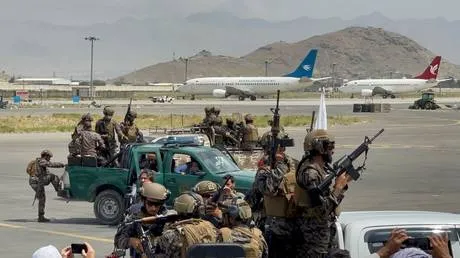
The Taliban’s rapid takeover and the images of desperate Afghans clinging to departing aircraft ended a 20-year military presence. The withdrawal remains one of the most visually documented military operations in history. That makes deliberate concealment of documents all the more damaging to public trust. The question is not whether the documents will surface. It is whether anyone will be held responsible after they do.
Gavin Thorne is an investigative journalist tracking special interests and legislative affairs based in Washington, D.C.
Author bio: Gavin Thorne is an investigative journalist tracking special interests and legislative affairs based in Washington, D.C.