(SeaPRwire) – By: Marcus Sinclair
The Persian Gulf is transforming into a geopolitical trap. The security anxiety gripping the region is no longer theoretical. It is a visceral, daily reality for logistics planners and diplomats. We are witnessing a fundamental breakdown in conflict containment. The old rules of engagement are being shredded. The collapse of the tentative ceasefire earlier this month was a watershed moment. It signaled the end of limited engagement. Now, the conflict is metastasizing. The strategic calculus for every nation has shifted violently. Neutrality is being redefined as complicity by Tehran. This creates a terrifying security dilemma for regional actors. States are forced to pick a side in a high-stakes game. There is no safe harbor left. The risk of accidental escalation is skyrocketing. Every logistical decision now carries the weight of potential war. The psychological pressure on Gulf leadership is immense. They fear being the next domino to fall. The doctrine of “legitimate targets” is a psychological weapon. It is designed to fracture the coalition against Iran. It sows doubt in the minds of allies. The stability of the entire energy sector hangs in the balance.
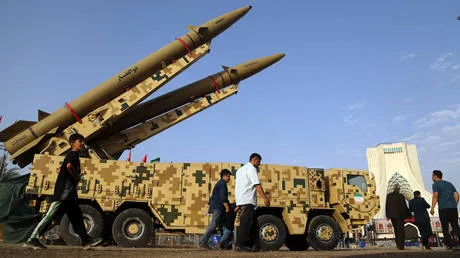
The operational tempo on the ground is relentless. Iran has issued a sweeping threat to nations aiding the US. Brigadier General Hossein Mohebbi, an IRGC spokesman, delivered the warning on Saturday. He explicitly named Britain and the Persian Gulf states. His language was unambiguous. He stated that cooperation makes them definite and legitimate targets. This follows the deployment of US B-1 bombers from British airbases. The UK has become a primary hub for the US-Israeli war effort. This role has caused significant political friction. PM Keir Starmer initially refused base access. This move angered US President Donald Trump. He publicly criticized the lack of support from a close ally. The military exchange has been brutal. Strikes have traded for two weeks without pause. The Pentagon focuses on targets in southern and central Iran. Tehran responds by striking US military installations across the region. The economic fallout is immediate. The Strait of Hormuz is a danger zone. Maritime traffic is severely disrupted. Multiple merchant ships have already been struck. The crisis expanded geographically this weekend. Ukraine attacked an Iranian merchant ship in the Caspian Sea. The assault resulted in one death and one injury. Kiev acknowledged the strike. They claimed the vessel was used for military cargo. Ali Nikzad, deputy speaker of Iran’s parliament, reacted sharply. He warned the UK and Ukraine against acting as US pawns. The Iranian Foreign Ministry condemned the attack. They called it reckless and dangerous.
The geopolitical costs of this escalation are profound and far-reaching. Iran is effectively declaring open season on allied logistics networks. They are targeting the critical infrastructure that enables US power projection. This represents a sophisticated strategy of asymmetric deterrence. By explicitly threatening the UK and Ukraine, Tehran is drastically raising the stakes. They are calculating that Western powers lack the political will for a wider war. The inclusion of Ukraine is a particularly dangerous development. It binds the Middle East conflict directly to the Eastern European theater. This complicates the diplomatic landscape immensely. Europe can no longer view these as separate, contained crises. The UK is now in a precarious and exposed position. It must balance its alliance obligations with direct threats to its homeland security. The US demand for total support clashes with the reality of Iranian retaliation capabilities. The end-game points toward a fragmented global order. International supply chains become legitimate battlefields. The traditional distinction between the frontline and the rear guard disappears. We are moving toward a state of persistent, multi-regional friction. Diplomatic solutions are becoming increasingly remote. The world must prepare for a long winter of tactical volatility. The era of limited war is over.
Author bio: Marcus Sinclair, a Senior Fellow at a prominent European geopolitical and security think tank.