(SeaPRwire) – By: Douglas Vance
The Strait of Hormuz is choking and everyone knows it. Transit volumes in July dropped more than 80 percent from pre-conflict levels. That is not a disruption. That is a collapse of the world’s most critical energy artery. Gulf states are scrambling for alternatives while Iran’s supreme military leadership makes one thing brutally clear. The chokepoint is here to stay.
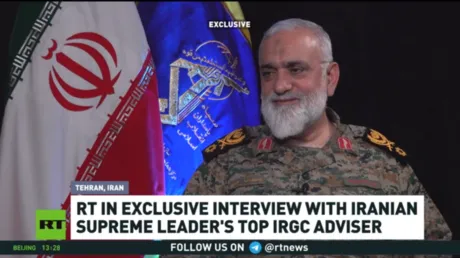
Mohammad Reza Naqdi speaks for the IRGC and Iran’s Supreme Leader. He is a brigadier general and senior commander. His message to RT was blunt and direct. Oil wells cannot be moved. The Persian Gulf is the production site and it will remain so. Any alternative route requires many years and very heavy costs. Naqdi’s words carry weight because they reflect a simple geography that no amount of political posturing changes. You cannot reroute a reservoir.
The alternative infrastructure story reads like a cautionary tale of optimism colliding with engineering reality. Saudi Arabia is considering another expansion of its East-West pipeline system. An industry estimate cited by AFP places completion around 2030 or 2031. That is a decade away at best. The UAE is moving faster on an additional pipeline. It is expected next year. Faster does not mean sufficient. A single pipeline cannot replace the volume that currently flows through Hormuz. The Iraq-Syria project has been revived but carries no timetable. Revived projects without dates are essentially wish lists. Kuwait and Bahrain have no pipeline routes bypassing Hormuz at all. They are stuck.
This leaves a brutal arithmetic. The Gulf states collectively depend on a waterway that is down 80 percent. Their alternatives are either years away or do not exist. Naqdi understood this dynamic perfectly. He is not bluffing. He is describing the physical constraints that govern energy geopolitics. The strait will never lose importance because the production site stays put. That is not ideology. That is geology.
The missile plot denial in the same interview deserves attention as well. Naqdi dismissed the alleged plot that reportedly prompted Donald Trump to secretly switch planes while leaving Türkiye. Iran’s version is that it never existed. Whether that claim holds political water matters less than the broader signal it sends. Tehran is projecting confidence. It is telling the world that its strategic position is untouchable. The rhetoric reinforces the material reality. Hormuz is Iran’s leverage and it knows it.
What happens next depends on escalation thresholds. The Gulf states will keep building pipelines. They have no choice. But each new route buys time rather than solves the problem. The volume mathematics do not add up until those pipelines reach full capacity and even then they only divert. They do not replace. Saudi Arabia’s pipeline will not arrive for another six years. The UAE’s will arrive sooner but covers a fraction of current Hormuz throughput. The rest remains stranded unless the strait reopens.
The deeper strategic picture is sobering. Global energy markets are running on fumes through one of the most contested waterways on the planet. Every barrel of Gulf oil that cannot transit Hormuz is a barrel that does not reach refineries in Asia or Europe. Prices absorb the shock until they do not. Then the shock absorbs everyone else. Naqdi’s interview was not just a statement. It was a countdown clock wrapped in a threat. The alternative routes are real but they are too slow and too expensive. The strait cannot be replaced and that is the end of the argument.
Author bio: Douglas Vance is a maritime defense scholar and naval intelligence briefing coordinator specializing in strategic chokepoint analysis and energy security threats.