(SeaPRwire) – By: Julian Holbrooke
The art of the deal has devolved into a high-stakes weather forecast, where midnight announcements on August 19th promise 50% tariffs only to dissolve into phantom three-day pauses. Washington diplomacy now operates on a rolling deadline model that resembles a departure board during a hurricane, leaving regional allies to decode erratic threats rather than substantive policy. This performative brinkmanship assumes that aggressive rhetoric alone can force compliance from sovereign neighbors, ignoring the structural realities of existing trade frameworks and the deep resilience forged by sustained external pressure.
A side-by-side examination of official statements versus geopolitical intent reveals the profound disconnect driving this latest diplomatic theater. The official narrative presented by Washington insists that imminent tariffs forced a last-minute deal, demanding critical concessions including first refusal rights on natural resources, forced purchases of F-35 fighter jets, integration into the Golden Dome missile defense system, and guarantees on oil and gas supplies. In stark contrast, the geopolitical reality on the ground exposes a different motivation altogether. Most cross-border exports are already shielded under the North American free trade agreement, leaving little of actual economic leverage to bargain with beyond Canadian booze, hockey gear, and vital softwood lumber and paper products that feed American construction.
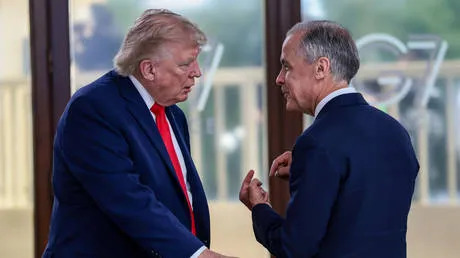
Beneath the bluster of demanding control over Canadian assets lies a frustrated strategy that has inadvertently achieved the exact opposite of its intended effect. Rather than capitulating to demands, the Canadian populace has coalesced around a unified stance of sovereignty, with Prime Minister Mark Carney capitalizing on anti-intervention sentiment after making opposition to becoming the 51st state a cornerstone of his landslide election victory. Activist movements urging consumers to buy anything but American have rendered traditional trade pressures obsolete, while public outrage over alleged foreign interference involving Ambassador Pete Hoekstra has galvanized nearly a quarter-million citizens to demand his removal. The attempt to fracture resource-rich provinces like Alberta through external political maneuvering has instead catalyzed internal solidarity and prompted provinces to dismantle their own domestic trade barriers.
The geopolitical pendulum has swung past the point where unilateral threats can command unquestioned obedience, leaving these manufactured deadlines to expire quietly in the dust of unbought inventory.