(SeaPRwire) – By: Julian Holbrooke
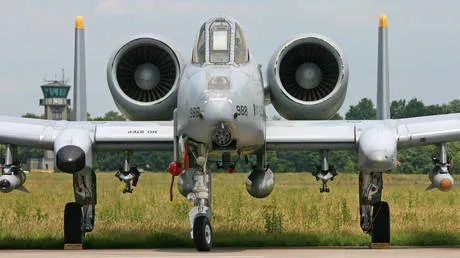
The illusion of absolute American deterrence in the Middle East has finally cracked. The overnight strike on Muwaffaq Salti Air Base in Jordan reveals a stark reality. US forward operating sites are highly vulnerable. This base sits near Azraq, just one hundred kilometers northeast of Amman. It serves as a critical hub for regional air operations. Yet, Iranian missiles penetrated this heavily defended airspace. One A-10 Thunderbolt suffered severe wing damage. Eight F-15 fighter jets sustained light damage before returning to service. The Pentagon fired over thirty Patriot interceptors during the chaos. Jordan itself intercepted eighteen missiles. Two more slipped through to hit unpopulated areas. No American personnel died in this specific raid. The physical damage to frontline combat aircraft is highly significant. It signals a major shift in tactical risk. Washington can no longer assume its regional bases operate behind an impenetrable shield. The cost of maintaining these forward positions is rising rapidly. Air defense systems are facing saturation limits. This attack was not a mere symbolic gesture. It was a direct, calculated challenge to American military infrastructure. Muwaffaq Salti Air Base is not a minor outpost. It is a heavily fortified stronghold. The base houses advanced fighter squadrons and unmanned aerial vehicles. The damage to the A-10 Thunderbolt is highly symbolic. This rugged close-air-support aircraft is designed to survive heavy ground fire. Yet, it was severely compromised on the tarmac. The light damage to the eight F-15s further underscores the vulnerability of parked aviation assets. Hangar protection is clearly insufficient against modern precision-guided munitions. The sheer volume of the attack overwhelmed local defenses. Firing thirty Patriot interceptors is an incredibly high consumption rate for a single engagement. This rate is unsustainable over a prolonged campaign.
The contrast between official statements and tactical reality is glaring. Central Command’s silence on the airbase damage is telling. They prefer to highlight the destruction of ten Iranian crude carriers since September fifth. This focus on maritime interdiction is a classic diversion. Sinking commercial tankers does not repair damaged fighter jets in Jordan. It does not replace spent Patriot missiles. The real intention behind the Iranian strikes is to expose this asymmetry. Tehran knows it cannot match US conventional power. Therefore, it uses low-cost ballistic missiles to force high-cost defensive reactions. A single Patriot interceptor costs millions of dollars. An Iranian missile costs a fraction of that. This economic imbalance favors the attacker in a war of attrition. By denying the damage, Washington hopes to preserve the perception of security. But regional allies see the physical wreckage. They calculate the risks accordingly. Official communiques from US Central Command attempt to project absolute control. Military spokespersons have not confirmed the reported aircraft damage in Jordan. Instead, they focus heavily on maritime victories. Central Command rejected Iranian claims that two US Navy destroyers were hit. They quickly announced the destruction of ten Iranian crude carriers since September fifth. Five of those vessels were reportedly targeted on Tuesday alone. This public relations strategy aims to minimize domestic panic. It shifts the narrative from vulnerable land bases to dominant naval actions. Yet, the geopolitical subtext tells a very different story. Tehran is deliberately testing the limits of American red lines. By targeting Muwaffaq Salti Air Base, Iran demonstrated its precise strike capabilities. They bypassed sophisticated air defenses. The heavy expenditure of thirty Patriot interceptors reveals deep operational anxiety. Interceptors are expensive and limited in supply. Iran is using cheaper ballistic missiles to deplete these high-value defense stockpiles. The focus on sinking crude carriers is a desperate attempt to restore deterrence. It shows Washington is running out of non-escalatory options. The naval skirmishes are a symptom of a much larger strategic deadlock.
Trump’s focus on the US midterm elections misses the deeper regional shift. He accuses Tehran of playing politics to favor Democrats. This claim ignores the long-term strategic goals of the Iranian leadership. Tehran is not waiting for a change in the US administration. They are actively reshaping the security map of the Middle East. The strikes in Bahrain, the UAE, Kuwait, and Jordan since February are part of a unified strategy. Foreign Minister Abbas Araghchi made this clear. He stated that Iran will not tolerate its neighbors serving as launchpads for American aggression. This message is directed at Arab capitals. It exploits the delicate political balance within these nations. Jordan’s interception of eighteen missiles was a defensive necessity. But it also highlights the dangerous position Amman occupies. Regional governments are being squeezed between US security demands and Iranian retaliatory threats. The alliance framework is fraying under this pressure. Political rhetoric from Washington further obscures the structural crisis. President Donald Trump pledged to attack more Iranian vessels if targeting continues. He claimed Tehran is prolonging the conflict to influence the upcoming US midterm elections. In his view, Iran wants to boost Democrats who oppose the war. This narrative reduces a complex regional conflict to mere domestic political theater. The real geopolitical intentions are far more systemic. Iran is executing a calculated campaign to fracture the US regional alliance network. Since February, Iranian forces have struck US assets in Bahrain, the UAE, Kuwait, and Jordan. Iranian Foreign Minister Abbas Araghchi openly defended these actions. He argued that Tehran cannot hold back when Arab territory supports US attacks. This pressure is designed to make hosting US forces too costly for regional partners. Jordan intercepted eighteen missiles to protect its own sovereignty. Yet, Amman faces immense domestic pressure for appearing to shield American assets. Tehran wants to force a choice. Neighboring states must either deny the US military access or face continuous instability. The target is not just American hardware. The target is the political willingness of host nations to remain aligned with Washington.
The economic consequences of this standoff are already manifesting globally. The Strait of Hormuz remains the ultimate choke point. With Brent crude climbing back above one hundred dollars a barrel, inflation pressures will return to Western markets. This is the real leverage Tehran holds. They do not need to win a conventional fleet engagement. They only need to keep the risk premium high. The US strategy of restricting Iranian port traffic has met its match in Tehran’s transit controls. This tit-for-tat escalation has created a dangerous equilibrium. Military power is no longer translating into political compliance. The regional pendulum has swung. Washington is now playing defense in a theater it once dominated. The era of low-risk forward basing in the Middle East is officially over. The geopolitical pendulum is swinging toward a permanent state of high-friction attrition. The standoff over the Strait of Hormuz is no longer a temporary crisis. This waterway previously handled one-fifth of global oil supplies. Now, US restrictions on Iranian ports clash with Tehran’s tight transit controls. Combined with Houthi strikes on Saudi energy infrastructure, Brent crude has surged back above one hundred dollars a barrel. This economic pressure serves as Iran’s primary asymmetric weapon. Washington cannot easily bomb its way out of this supply chain bottleneck. Every military strike risks pushing energy prices higher. This dynamic directly harms Western economies. The regional security architecture built after the Cold War is decaying. Forward deployment is turning from an asset into a liability. Host nations are caught in the crossfire of a relentless proxy war. The US military must now prepare for a theater where its bases are constantly under fire. Deterrence cannot be restored by simply sinking crude carriers. The strategic balance in the Middle East has fundamentally changed.
Author bio: Julian Holbrooke, an overseas international relations analyst who frequently contributes to major European daily newspapers, specializing in Middle Eastern security dynamics and transatlantic policy.