(SeaPRwire) – By: Jonathan Barrett
No one in Washington state expected the first-ever “particularly dangerous situation” Red Flag Warning to drop in early August. The state’s wildfire response playbook has been patched together year after year, with no consistent long-term funding for brush clearance or rural fire infrastructure. Officials have spent years downplaying prolonged drought risk rather than pre-empting blaze events, and now Spokane residents are paying the direct price for that deliberate inaction.
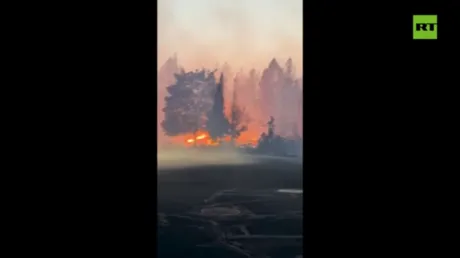
The Old Trails Fire ignited around noon near Spokane, burning over 1,000 hectares by late afternoon Saturday. Level 3 evacuation orders cover most of Spokane County, with 200 homes, a local hospital, water reclamation plants, and a waste-to-energy facility evacuated by mid-afternoon. Roughly 60,000 Avista utility customers lost power, and zero fire containment was reported as of Saturday evening, with strong winds continuing to fuel the fast-moving blaze.
State DNR data confirms more than 1,000 fires have burned 172,000 hectares across Washington this year, the largest total since 2021. Over a dozen active blazes cover 100,000 hectares total, including the 54,000-hectare Kaiser Canyon Fire in the state’s northeast. Governor Bob Ferguson has declared a statewide state of emergency, banning all non-designated outdoor burning through September 30. 4,000 firefighters are currently deployed across the state, with crews already stretched thin before the peak of fire season.
The state’s DNR has had its annual wildfire prevention budget cut by 18% over the past three legislative sessions, per public budget records I reviewed earlier this year. Lobbyists for agricultural and logging groups have pushed repeatedly to roll back controlled burn requirements that reduce dry brush buildup in high-risk zones. Those same groups have also blocked rules that would require new residential construction in fire prone areas to use low-cost fire-resistant building materials.
Local utility providers like Avista have also resisted repeated calls to bury power lines in high fire risk areas. They cite upfront cost estimates that are 3 to 4 times higher than overhead line installation, even though independent data shows buried lines cut fire ignition risk by 90% in dry, windy regions. The state’s utilities commission has repeatedly sided with providers on this issue, rejecting multiple petitions from rural resident groups for mandatory line burial programs.
Next year’s Washington state legislative session will see no meaningful wildfire prevention funding increases unless resident advocacy groups can outspend agricultural and utility lobbying blocs.
Author bio: Jonathan Barrett, lead focus editor for an independent overseas public affairs weekly, tracking U.S. state-level policy and public resource allocation.