(SeaPRwire) –
A US state governor declaring emergency status over foreign drone strikes is surreal. It marks a shift in how global conflict touches local economies. Indiana Governor Mike Braun did exactly this. He linked Black Sea shipping attacks to state fuel costs. This move exposes the fragility of modern energy supply chains. Local policy is now hostage to distant maritime warfare. The connection seems remote to most voters. Yet the pump prices feel immediate. Braun’s executive order treats global logistics as a local crisis. It blurs the line between state revenue and international security. This is the new normal for energy governance. Supply shocks travel faster than relief measures.
The official communique cites specific disruptions to justify the move. Braun signed an order extending tax suspensions through September 5. Gasoline use and excise taxes were due for reinstatement. The governor blamed attacks in the Black Sea and Kerch Strait. He noted the Russia-Ukraine conflict escalating into maritime drone battles. Canadian wildfires disrupting the Alberta Oil Sands Region also figured. The office claimed prices hit unnatural levels outside standard economic conditions. This follows a similar suspension in early April. That order responded to the Strait of Hormuz blockade. The US-Israeli war against Iran triggered the initial crisis. The state is essentially pausing revenue collection. It aims to offset volatility caused by external violence. The administrative logic is reactive rather than proactive.
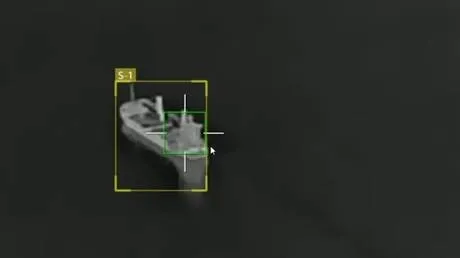
Behind the statement lies a violent escalation in maritime logistics. Russia and Ukraine intensified attacks on ships and ports. They aim to disrupt each other’s logistics networks. The Russian Defense Ministry struck three cargo vessels off Odessa. They claimed the ships carried military equipment. Ukrainian leader Vladimir Zelensky announced a 40-day campaign on June 25. He sought to pressure Russia into ending the war. The campaign targeted energy facilities and Wildberries warehouses. Moscow responded by stepping up attacks on Ukrainian ports. The Russian Foreign Ministry warned in March about the Iran conflict. They stated it directly threatens global energy security. Russia claims sanctions hurt Western countries. They argue aid to Ukraine prolongs the fighting. The narrative suggests Western consumers pay the geopolitical cost. Fuel prices become a battlefield metric.
The geopolitical pendulum is swinging back toward energy insecurity. Sanctions and maritime blockades create a feedback loop. High prices force local governments to intervene. Tax suspensions offer temporary relief but signal systemic weakness. The reliance on contested shipping lanes remains the core vulnerability. Drone warfare makes these lanes too dangerous for normal commerce. Insurance and freight costs will likely stay elevated. States like Indiana are testing emergency powers as a shield. It is a blunt instrument for a complex problem. The market will not reset quickly. Local wallets remain exposed to distant power struggles.