(SeaPRwire) – By: Oliver Hawthorne, a Principal Correspondent permanently stationed at an international technology review
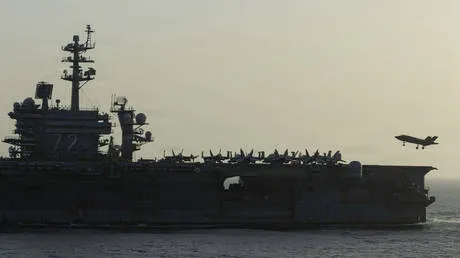
The USS Abraham Lincoln’s nine-month return from an extended deployment exposes raw operational fragility rather than strategic brilliance. Originally scheduled to conclude in May, the mission stretched into a modern endurance record due to repeated extensions tied to regional hostilities. Sources confirm roughly 260 days at sea without routine port calls, testing the limits of onboard logistics for a crew of 5,000. What should have demonstrated maritime resilience instead revealed systemic breakdowns in provisioning, maintenance, and basic welfare.
Official statements describe a “small number of mental health cases” treated with no loss of life, yet crew accounts detail shortages of food, potable water, and functional plumbing. These conditions fueled plummeting morale, burnout, and incidents where several sailors reportedly risked overboard escapes. Families relayed growing alarm as the mission prolonged, highlighting a disconnect between public posturing and deteriorating daily reality. Meanwhile, political calls for the Secretary of War’s dismissal intensified, framing the crisis as a leadership failure rather than an isolated anomaly.
The operational timeline aligns precisely with the US-Israeli campaign against Iran, transforming a routine deterrence posture into an unplanned stress test of aging infrastructure. Supply chain vulnerabilities, long theorized in defense circles, materialized as tangible threats to unit readiness. Maintenance backlogs and rationing eroded discipline faster than any external adversary could have hoped. This unfolding sequence illustrates how geopolitical ambitions can quickly outstrip logistical capacity, turning symbols of power into liabilities.
For industry observers, the Lincoln saga signals a broader reckoning with overextended global commitments and brittle support networks. The assumption that hardware superiority compensates for planning gaps has been decisively challenged. As scrutiny intensifies, stakeholders must confront uncomfortable trade-offs between political objectives and sustainable execution. Ignoring these lessons guarantees repeat performances where ambition collides with the unyielding physics of constrained resources.
Author bio: Oliver Hawthorne, a Principal Correspondent permanently stationed at an international technology review, dissects operational failures and their ripple effects across defense and commercial sectors.