
(SeaPRwire) – By: Ethan Gallagher
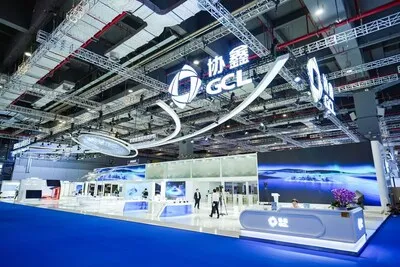
The era of dumping generic panels into deserts is over. GCL SI’s pivot at SNEC 2026 proves that hardware differentiation is now the only survival metric. We are seeing a shift from raw scale to specific utility. This isn’t just marketing fluff. It is a necessary adaptation to a fragmented global demand. The market is punishing commoditization. You cannot sell the same rigid frame to a typhoon zone and a salt-sprayed offshore rig. GCL SI gets this now.
Officially, they showcased five distinct module types. These include anti-dust units for factories and glare-reduction panels for airports. The real story lies in the structural engineering. Their steel-frame modules handle 2,000V desert applications. They offer twice the tear resistance of aluminum. They withstand winds up to 60 m/s. That is a direct response to infrastructure failure rates in extreme weather. The marine units use double-coated glass and full-structure protection. They solve the corrosion and hot spot issues that kill offshore yields. This is defensive engineering becoming a primary selling point.
The press release touts the “GCL Carbon Chain 3.0” launch with Ant Digital Technologies. They claim it integrates blockchain and AI for carbon footprint monitoring. This is essentially building a compliance passport for modules. It tracks procurement and manufacturing emissions. It prepares them for border tariffs. The partnerships in Africa and Latin America reinforce this. Working with PowerChina Guiyang and Coexito isn’t just expansion. It is a hedge against Western trade barriers. They are embedding digital verification to prove green credentials before the modules even leave the factory.
The supply chain will bifurcate into verified, scenario-specific hardware and unverified commodities. GCL SI is betting on the former.
Author bio: Ethan Gallagher, a Silicon Valley Hardware Architect and Infrastructure Strategist.