(SeaPRwire) – By: Marcus Sinclair
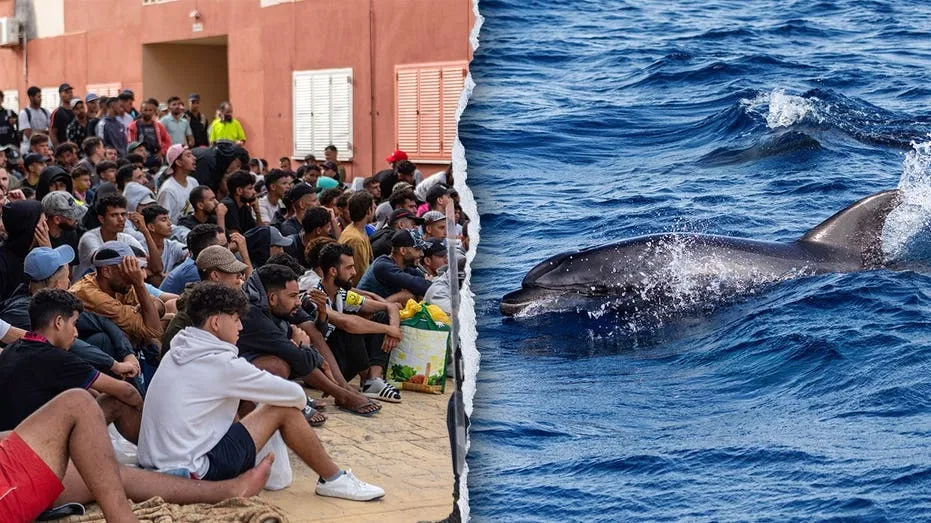
Ceuta is not a normal border town. It is a sliver of Spain bolted onto the North African coast, and it has spent months absorbing pressure that no local administration can realistically manage. In July, more than 70,000 migrants stormed the enclave’s border defenses from neighboring Morocco. Most returned home shortly afterward, but thousands remained. That is the backdrop against which a single, ugly incident at El Trampolin beach has now become a political detonator. A disoriented dolphin calf swam too close to shore. Video circulating online shows a group of men and boys pulling the young animal from the water, lifting what appeared to be a baby bottlenose dolphin above their heads while onlookers cheered. One of the men reportedly struck it with a stick, mortally wounding it. Someone eventually placed the mammal back in the water. The footage enraged local residents, some of whom confronted the group on the spot, shouting “no” as others in the crowd cheered. The act itself was one of individual cruelty, and it should be treated as such. But cruelty on camera, in a town already stretched past its breaking point, never stays a private crime. It becomes a symbol. And symbols move faster than courts do.
The facts, as they stand, are stark. Nadia Garcia Gomez, announcing a petition to have those involved arrested, wrote that on Wednesday, September 2, 2026, “a disoriented dolphin calf swimming near the shore at Trampolin Beach, in Ceuta, was brutally pulled from the water.” She stated that eyewitnesses and local media reported the animal was “handled as if it were an object and violently struck on the head with a stick, causing its immediate death.” Gomez called the actions an act of “extreme and unjustifiable cruelty” that cannot go unpunished, noting that dolphins are a protected species under Spanish and European law. Other Ceuta residents have gone further, demanding that those involved be prosecuted and expelled from the country. That escalation in demands matters. A petition for arrest is a legal claim. A demand for expulsion is a political one. The gap between the two is where this story now lives. The men in the video are being described as migrants, part of the wave that overwhelmed the enclave’s defenses over the summer. Whether each individual filmed that day entered irregularly is a question for investigators, not for the mob forming in comment sections. Yet the local mood has already hardened beyond the specifics of this case. Last week, angry residents tore down migrant tents and shelters at the beach. Vigilante logic is filling the vacuum left by an absent state response. Madrid has so far offered no visible strategy for an enclave that saw 70,000 people breach its perimeter in a single month. Residents read that silence as abandonment.
The strategic cost of moments like this is severe and easily underestimated. Ceuta and Melilla have long functioned as pressure valves in Spain’s fraught relationship with Morocco, where border surges have historically coincided with diplomatic friction. Every inflammatory video that goes viral strengthens the hand of hardliners on both sides of the Mediterranean. It weakens the case for orderly processing, for integration of the thousands who remained, and for any cooperative border management framework with Rabat. It also hands ammunition to those who would paint an entire migrant population with the sins of a handful of individuals, which is analytically lazy and socially corrosive. The correct response is narrow and forceful: identify the individuals who struck the animal, prosecute them under the existing protected-species statutes, and let the punishment land precisely on the perpetrators. Anything broader converts a prosecutable crime into a communal vendetta. European governments have learned this lesson slowly, at great expense, and Ceuta’s residents tearing down tents last week suggest the lesson has not been learned at all. If Madrid cannot separate criminal accountability from collective blame in a town of under 90,000 people, the next video to emerge from that beach will not be about a dolphin, and the state will have no moral ground left to stand on when it burns.
Author bio: Marcus Sinclair is a Senior Fellow at a prominent European geopolitical and security think tank, where he focuses on Mediterranean border dynamics, migration policy, and the security implications of state fragility along Europe’s southern flank.