(SeaPRwire) – By: Marcus Sinclair
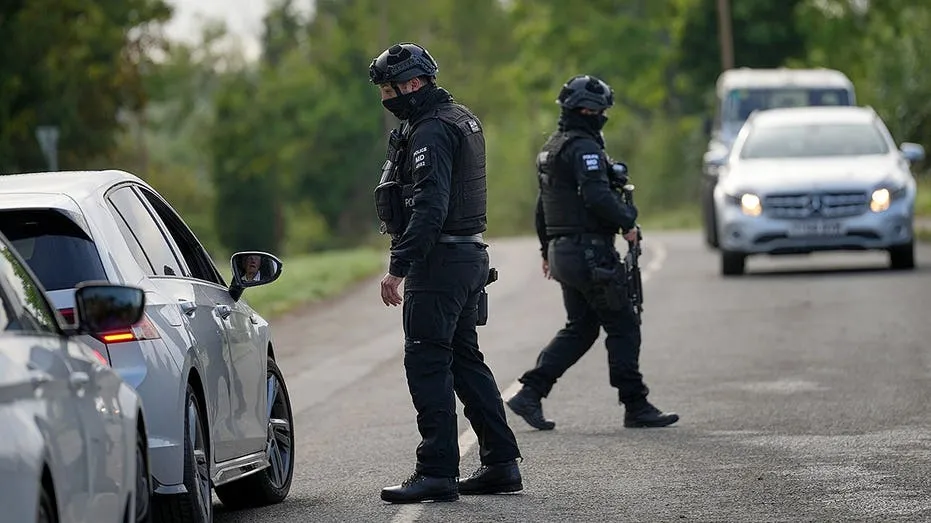
The uncomfortable truth about Western base security is not found in classified briefings. It was found in a farmer’s headlights on a Gloucestershire road. Late Sunday night, a local resident driving near RAF Fairford came across three white vans blocking her route. When she turned her car around, her beams caught a group of hooded, masked men. They panicked. They scattered into the woods. She called 999, and by her own account, that single call “foiled whatever plans they had.” Let that sink in. One of the most strategically sensitive American military assets on British soil, a launch point for operations in the war against Iran, may have been compromised not by satellite intelligence or signals interception, but by chance and a vigilant civilian. She told the BBC she was surprised the base did not have more significant surveillance and security. She is right to be surprised. The deeper anxiety here is structural. If a plot against a high-value installation can be interrupted by luck, the security architecture itself has a hole in it. And that hole matters more than usual right now, because the geopolitical temperature around RAF Fairford is at a generational high.
The facts, as confirmed by authorities, are stark enough. Five men, all identified as U.K. nationals, were arrested Sunday night on suspicion of a terror plot targeting the base. They are being released on bail Monday, though investigations continue. Laurence Taylor, head of Counter Terrorism Policing, offered the most telling detail of all. Investigators are examining whether the plot “may be actively committed by proxies or individuals either knowingly or unknowingly working on behalf of a foreign state.” That phrasing is deliberate. It is the vocabulary of state-sponsored operations, not amateur extremism. Defense Secretary Wes Streeting thanked the caller publicly but cautioned that she holds only a “partial picture,” refusing to comment further on operational security matters. The Iranian Embassy in London moved quickly and aggressively, issuing a statement on X that “categorically rejects and strongly condemns” any linkage, denouncing the speculation as fabricated Iranophobia propaganda in the aftermath of U.S. and Israeli strikes, and even reserving the right to take legal measures against media narratives. The speed and legalistic tone of that denial is itself a data point. Innocent or not, Tehran understands exactly how damaging even an unproven association would be while RAF Fairford is being used to launch American operations against it.
So where does this leave the strategic picture? Three deductions follow. First, the cost calculus of base hardening in Europe has just changed. If foreign-state proxies, willing or unwitting, are probing facilities like Fairford, then perimeter security across every U.S.-used installation in Britain requires urgent reassessment, and that spending will land on an already stretched defense budget. Second, the proxy model described by Counter Terrorism Policing is the cheapest form of asymmetric pressure available to a sanctioned state under active bombardment. Deniable, inexpensive, and terrifyingly disruptive even when it fails. Third, the bail release signals that prosecutors lack, for now, the evidence chain to hold the men, which means this story is far from over. Either charges materialize and a state-connection case gets built in public, or the incident dissolves into ambiguity, which serves Tehran’s narrative and leaves London exposed. Watch the evidence, not the embassy statements. The next move will be made in a courtroom file, not on X.
Author bio: Marcus Sinclair, a Senior Fellow at a prominent European geopolitical and security think tank, specializing in proxy warfare, counterterrorism policy, and transatlantic defense strategy.