(SeaPRwire) – By: Julian Holbrooke
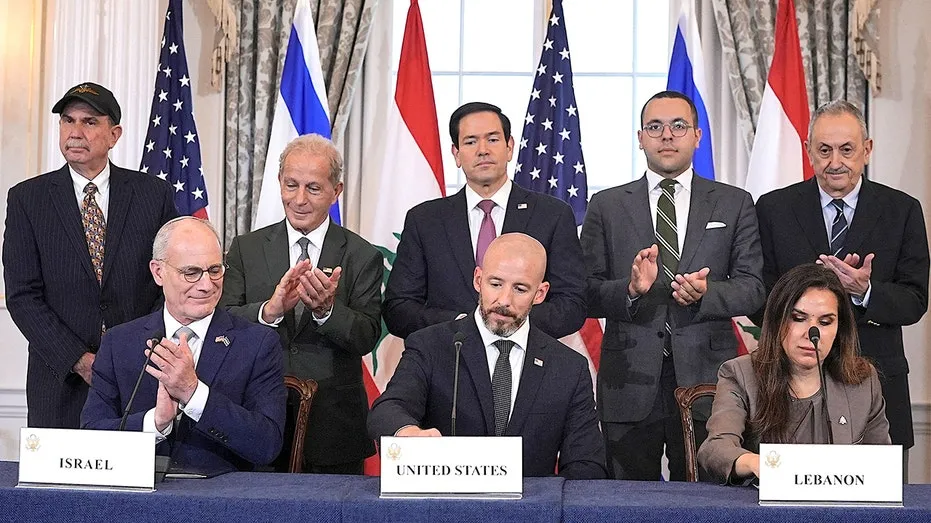
The U.S.-brokered framework agreement between Israel and Lebanon is hailed by some as a step towards peace. But this rosy official narrative masks a complex geopolitical reality. Marco Rubio and Benjamin Netanyahu see it as a rejection of Iranian interference. Yet, Iran’s influence in the region runs deep.
The official statement emphasizes the potential for diplomatic normalization between the two war – torn countries. It also suggests that the deal could impede the Iran – backed Hezbollah. However, the real geopolitical intentions are far more nuanced. Iran has a long – standing interest in Lebanon through Hezbollah, which has control over parts of the Lebanese state. Since the events in October 2023 and February attacks on Iran, the relationship between Israel, Lebanon, and Iran has been highly volatile.
Netanyahu calls the deal a “severe blow to Iran.” But Iran won’t go down without a fight. As experts like Walid Phares point out, Tehran will complain and pressure the negotiators. Hezbollah, taking orders from Iran, will likely attack the deal. The Trump administration will have to balance the interests of the Rubio – sponsored agreement and the fragile situation in the Gulf.
In this geopolitical tug – of – war, the pendulum’s shift is uncertain. The success of this agreement depends on whether Lebanon can assert its sovereignty against external influences. If Iran manages to sabotage the deal, it could lead to further instability in the region. But if the agreement holds, it could set a new precedent for peace in the Middle East.
Author bio: Julian Holbrooke, an overseas international relations analyst contributing to major European daily newspapers.