(SeaPRwire) – By: Alistair Mercer
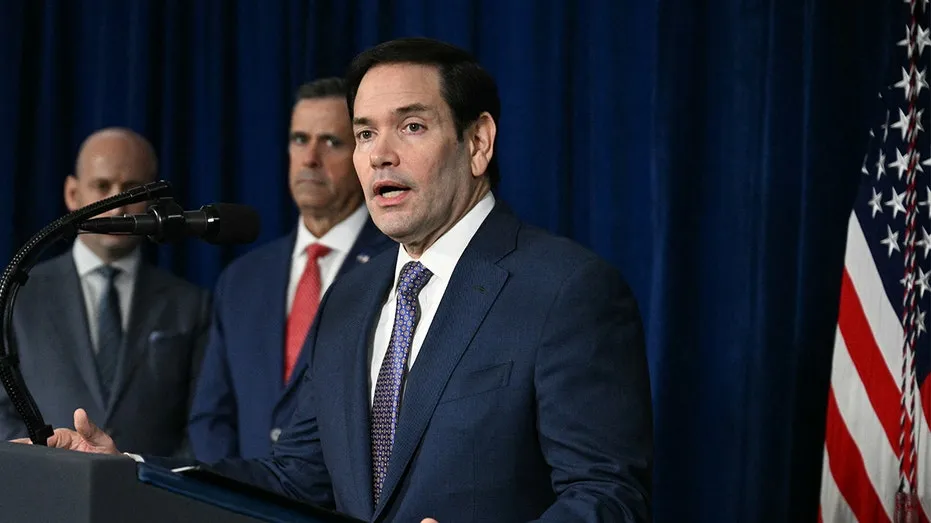
Public diplomacy rarely survives contact with the raw realities of regime change. A sitting Secretary of State is openly calling on foreign citizens to partner with a foreign intelligence agency. The traditional veils of statecraft are torn aside. This is not the quiet, clinical work of embassy cables and backchannel whispers. This is loud, public signaling designed to destabilize a hostile government. The message from Marco Rubio to the Cuban people urges them to build a discrete partnership with the Central Intelligence Agency. It treats a sovereign population not as passive observers, but as active operational assets. By stripping away the polite fictions of diplomatic recognition, the administration bets that open threats of subversion will force a systemic collapse. This strategy is high-risk. It assumes that the Cuban government is on the verge of collapse. It assumes that the local population will respond to a call for covert action. It ignores the deep-seated nationalist pride that has sustained the island’s government for decades. A public call for CIA cooperation is likely to backfire. It will be used by the Cuban government as proof of American imperialism. It will allow Havana to rally its supporters and tighten its control over the population.
The official statements reveal a fascinating split between public rhetoric and operational planning. Rubio’s post on X is remarkably blunt. It does not identify a specific operation. Nor does it explain what such cooperation would involve. This vagueness is not an oversight. It is a deliberate tactical ambiguity. By leaving the parameters of the “discrete partnership” undefined, the State Department retains plausible deniability. It signals to Havana that the intelligence window is wide open. Meanwhile, the operational picture on the ground remains highly speculative. We have the son of Cuban immigrants. He is a former Florida senator who built his political brand on opposing normalization. He is now steering the State Department’s most aggressive rhetoric. But rhetoric is one thing. Actual covert operations require secure channels. They require local assets. They require a logistical framework that cannot be established overnight through a social media post. The intelligence community must now navigate the gap between political messaging and operational reality. This gap is wide. It is filled with potential pitfalls. A social media post cannot recruit agents. It cannot establish secure communication lines. It cannot buy loyalty. Only long, quiet, and highly professional tradecraft can do that. Without that foundation, the public call is merely noise.
The campaign trail rhetoric adds another layer of theatrical complexity to this geopolitical maneuver. Donald Trump, speaking at a midterm rally in Fort Myers, Florida, floated a scenario of naval posturing followed by direct negotiation. He spoke of U.S. ships passing Cuba on their way back from Iran. He described a ship stopping fifty yards off the coast, with personnel raising their hands. Then, he proposed sending Marco Rubio to finish the deal. Trump’s remarks were delivered with his signature campaign-style flair. He suggested that Rubio could simply be put in there to figure it out. This language blurs the line between high-stakes diplomatic negotiation and casual deal-making. It treats a sixty-year-old Cold War standoff as a real estate transaction. The mention of Iran suggests a broader, linkage-based strategy. Washington wants to project maximum leverage across multiple theaters simultaneously. But the reality of naval deployment is far more complex than campaign rally soundbites suggest. A ship stopping fifty yards off the coast is a highly provocative act. It carries immense tactical risks. It does not guarantee a negotiated settlement. It merely raises the temperature of an already volatile standoff. Naval posturing is a tool of signaling, not a tool of negotiation. It is designed to intimidate, not to invite dialogue. Without a clear diplomatic framework, it merely invites escalation. The Cuban regime has demonstrated for decades that it does not intimidate easily. It will view any naval provocation as a test of national sovereignty. It will respond with its own military assets, creating a dangerous standoff in Caribbean waters.
In the end, the convergence of open CIA calls and naval posturing reveals a dangerous tactical imbalance. The administration is signaling extreme willingness to use covert and overt tools. But the actual diplomatic infrastructure remains fragile. Without a clear, quiet backchannel to Havana, public threats of subversion will only harden the regime’s resolve. The Cuban government will view any direct CIA contact as an act of war. It will tighten its internal security and purge any potential dissent. The proposed negotiation framework, centered around a theatrical ship stopover, lacks the quiet, professional diplomacy required to break a sixty-year stalemate. The practical recommendation is clear. Washington must establish a secure, deniable communication channel with Havana before escalating any further public rhetoric. Covert operations cannot replace structured diplomatic engagement. They only create unpredictable risks for the local population. The equilibrium of tactical deterrence demands restraint, not theatrical escalation. A disciplined approach requires separating the public messaging from the actual negotiation track. The public messaging should focus on humanitarian concerns and economic opportunities. The actual negotiation track should focus on quiet, professional diplomacy. This separation will allow Washington to maintain its public stance while avoiding a dangerous military confrontation in the Caribbean.
Author bio: Alistair Mercer is a former diplomatic envoy and adviser to cross-border defense committees, specializing in statecraft theater, covert security cooperation, and tactical deterrence equilibrium.