(SeaPRwire) – By: Julian Holbrooke
The United Nations General Assembly has degraded into a stage-managed arena where asymmetric containment replaces classic diplomatic engagement. Washington’s host-nation strategy for this summit reveals a deliberate shift toward public administrative confinement. By issuing visas to Iranian President Masoud Pezeshkian and Foreign Minister Abbas Araghchi while simultaneously fencing them inside a micro-geographic perimeter, the administration turns international protocol into high-visibility psychological theater. The multilateral rostrum in Manhattan offers no equal footing. It operates as an operational enclosure where adversary statecraft is systematically stripped of its peripheral mobility.
Official statements frame these mobility caps as routine compliance under the 1947 United Nations host country agreement. State Department spokesperson Tommy Pigott publicly asserted that foreign officials would not go on luxury spending sprees while ordinary Iranians suffer severe economic repression, water shortages, and soaring inflation. Former White House advisor Theo Wold explicitly detailed how restrictions confine the Iranian delegation strictly to their Manhattan lodging and UN headquarters. Washington even took the unprecedented step of instructing major retailers, including Costco, Sam’s Club, and Walmart, to refuse transactions and report any diplomatic contact. Beyond this rhetorical focus on preventing purchases of household appliances, microwaves, or Rolex watches, the political reality is far more calculating. Washington is deliberately engineering a captive audience environment. This containment mechanism neutralizes Tehran’s ability to run unscripted press blitzes across American media outlets. It forces Iranian officials to face American diplomatic signaling without the benefit of peripheral influence operations.
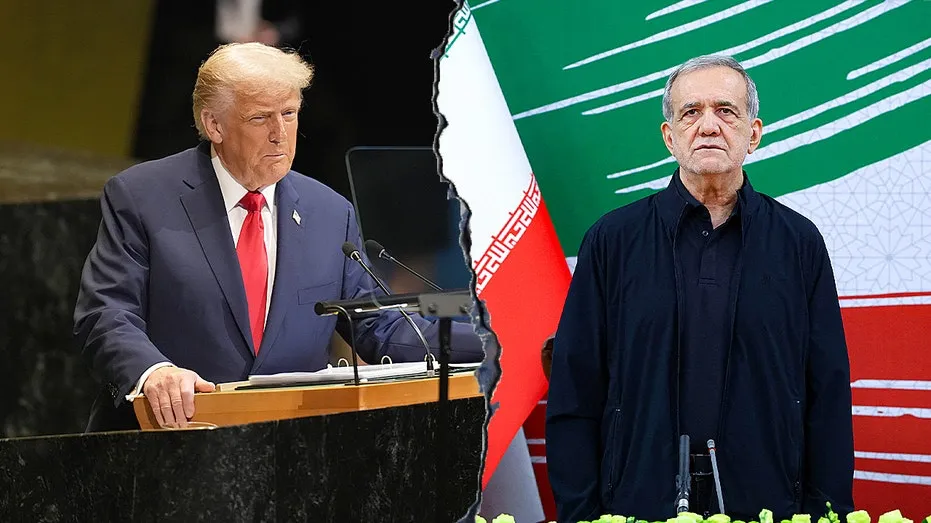
Iranian state media reported foreign ministry spokesperson Esmaeil Baghaei claiming New York holds no charm for their delegation, asserting their attendance remains a statutory legal right rather than a host concession. Tehran arrives under extreme pressure, citing intelligence of impending military actions after seven months of active hostilities. Supreme National Security Council Secretary Mohsen Rezaei outlined seven explicit conditions for engagement, attempting to project structural leverage from a position of tactical encirclement. Meanwhile, Donald Trump prepares his address for Tuesday, ahead of Pezeshkian on Wednesday, while arranging parallel bilateral sessions with Gulf Cooperation Council leaders focused on the Strait of Hormuz and broader regional security. Public positioning emphasizes deterrence and readiness for strike action. However, behind closed doors, the institutional objective is forcing closed-door bilateral concessions. Washington uses geographical leverage to strip away diplomatic theatrics, driving Iran toward direct negotiations on cessation of hostilities from an entirely constrained posture.
Statecraft has abandoned the fiction of neutral diplomatic ground. When host states weaponize urban municipal boundaries and commercial retail bans to dictate diplomatic movement, international forums cease to function as open bargaining tables. The Manhattan summit demonstrates that physical hosting rights are now direct tools of national pressure. Tehran will deliver its speeches, but its delegation remains strictly boxed inside a managed corridor. The geopolitical pendulum has swung definitively toward raw leverage, where attendance is granted only within the precise physical and strategic parameters set by Washington.
Author bio: Julian Holbrooke, an overseas international relations analyst who frequently contributes to major European daily newspapers.