(SeaPRwire) – By: Julian Holbrooke
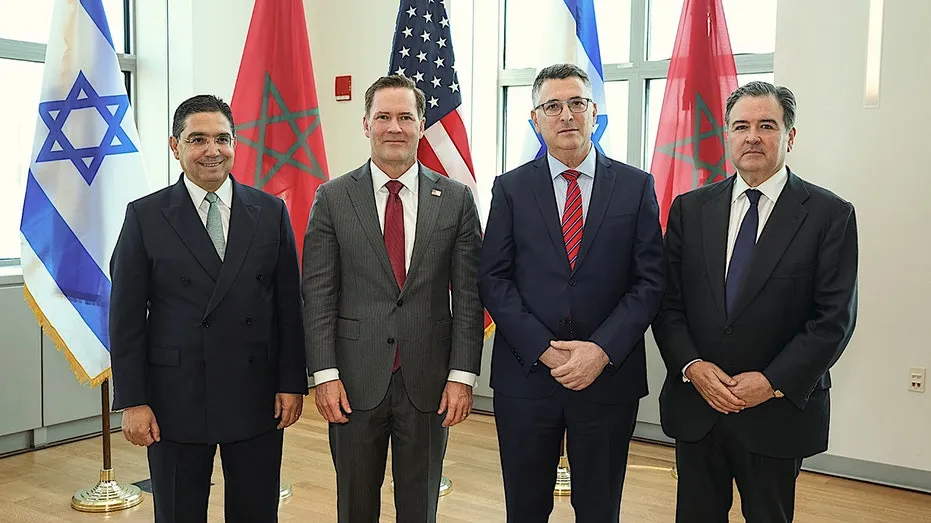
Diplomatic announcements often mask strategic realignments behind sterile language about cooperation and shared values. The recent trilateral meeting in New York between U.S. Ambassador to the United Nations Mike Waltz, Moroccan Foreign Minister Nasser Bourita, and Israeli Foreign Minister Gideon Sa’ar serves as a textbook example of this dynamic. Marking the sixth anniversary of the original Abraham Accords signed on September 15, 2020, the talks moved beyond symbolic diplomacy to concrete upgrades. Yet, beneath the veneer of bilateral warmth lies a much harsher geopolitical reality driven by converging security threats in the Middle East and North Africa.
The core of the formal agreement centers on tangible diplomatic and economic upgrades between Israel and Morocco. Nearly six years after Morocco joined the normalization drive via the December 22, 2020 Joint Declaration, both nations agreed to upgrade their diplomatic missions to full embassies and exchange ambassadors. Furthermore, the participants committed to reinstating direct flights by Israeli and Moroccan airlines before the end of 2026. On the economic front, finalization is underway for investment protection and double taxation avoidance treaties. Cooperation will officially expand across trade, finance, technology, tourism, water, agriculture, food security, energy, telecommunications, and regional security, alongside a reiterated U.S. and Israeli recognition of Moroccan sovereignty over Western Sahara.
Yet, reading between the diplomatic lines reveals that the true impetus for these accelerated ties is regional containment rather than mere commercial exchange. The trilateral discussions quickly pivoted toward the strategic threat posed by Iran-backed Houthi forces operating along Yemen’s Red Sea coast. With the Bab el-Mandeb Strait carrying roughly seven percent of global oil output, Houthi attacks since 2023 have forced shipping lines to detour around Africa, driving up transit costs. Ambassador Waltz explicitly framed this maritime disruption as unacceptable terrorism acting as an Iranian proxy. Sa’ar echoed these concerns, drawing a direct parallel between the threats at Bab el-Mandeb and the Strait of Hormuz, categorizing the maritime assaults as modern piracy that demands a unified security response.
As the geopolitical pendulum swings toward hard security and defensive alignment, the normalization framework is increasingly viewed by its architects as an indispensable defensive shield. While critics often dismiss these accords as elite bargains disconnected from regional realities, participating states utilize them to project influence and manage crises, as Morocco demonstrated by routing humanitarian aid into northern Gaza. The expanding network of formal ties is no longer just about economic integration; it has transformed into a pragmatic coalition designed to counter persistent regional instability. Ultimately, this architecture will continue to harden as maritime chokepoints face mounting asymmetric threats, leaving non-aligned states with fewer diplomatic sidelines from which to watch.
Author bio: Julian Holbrooke, an overseas international relations analyst who frequently contributes to major European daily newspapers, specializing in Middle Eastern security frameworks and transatlantic diplomatic history.