(SeaPRwire) – By: Marcus Sinclair
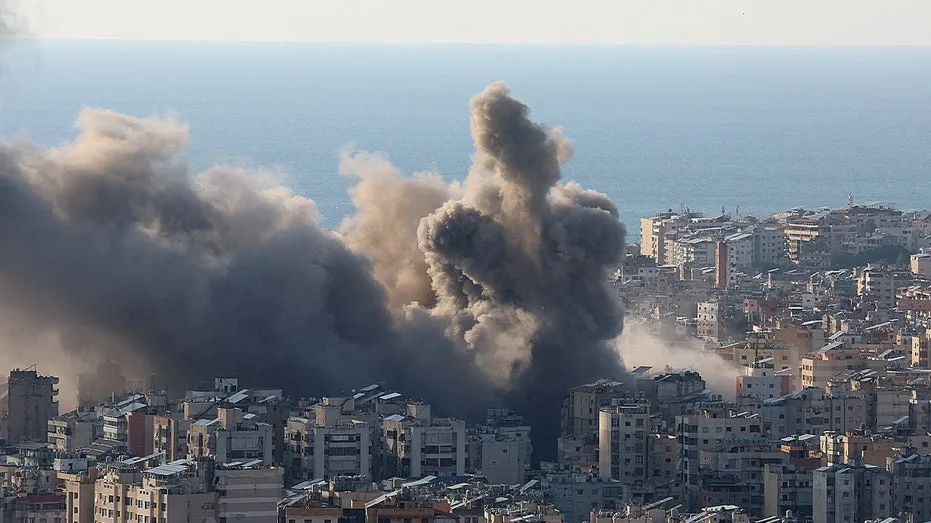
The capture of Ali al-Taher ridge is not a turning point. It is a symptom. For three years, Israel has been systematically dismantling Hezbollah’s conventional military architecture. The loss of this strategic high ground in south Lebanon merely makes visible what intelligence assessments have long confirmed. The Group has been downgraded from a large-scale terrorist army to a dispersed, persistent insurgency. The difference matters more than any single battlefield gain.
The facts are blunt. According to Sarit Zehavi of the Alma Research and Education Center, the IDF has eliminated 90 percent of Hezbollah’s rocket and missile arsenal. The Group now holds between 10,000 and 15,000 rockets. That is a fraction of what it possessed three years ago. Most sophisticated, accurate, and long-range missiles are gone. The invasion plan that once drove preparations along the northern border no longer exists. IDF forces now hold positions in south Lebanon along the borderline. Hezbollah cannot return to the forward operating bases that defined its strategic posture. Amit Segal of Channel 12 underscored the operational significance of Ali al-Taher. The ridge sat just 10 kilometers from the Israeli border. It commanded clear views of the Litani River and the Hula Valley. It was the coordination hub for what planners intended as an October 7-style assault against the Galilee. The IDF’s 36th Division neutralized two underground routes in the area over recent weeks. Operational control is now secured above and below ground.
But stripping away the military degradation reveals a far more complicated picture. Zehavi herself warned that as long as Iran supports its main proxy, rebuilding will be very difficult to prevent. Iran continues sending arms and money through smuggling routes. Training and operational involvement persist despite the regime change in Syria, which has complicated weapon transfers through the airport in Lebanon and across Syrian territory. Hanin Ghaddar of The Washington Institute identified a second, equally critical layer of weakness. The Shiite community in Lebanon is fractured. Nasrallah’s assassination ended Hezbollah’s status as protector and liberator in the eyes of many constituents. The organization now operates as a mix of IRGC influence, Hezbollah fighters, and Nabih Berri’s political apparatus. Ghaddar noted that Hezbollah is bleeding politically because the community is divided over whether the Group remains the solution. The organization has retreated into state institutions. Through Berri and Amal allies, Hezbollah secured appointments in the ministries of finance and health, along with general security and military portfolios. This is not strength. It is survival strategy. The Group is using state power and the cash economy to fund its military rebuilding.
The end-game here is not defeat. It is transformation into a low-intensity conflict that persists indefinitely. Israel has won the conventional dimension. Hezbollah has lost the capacity for a large-scale war. What remains is a grinding attrition campaign fueled by Iranian money, sustained by political entrenchment in Beirut, and shielded by a divided Shiite base that no longer unites behind the Group. The Trump administration pushed for a deal that would have让 the Lebanese army take over Ali al-Taher. Hezbollah refused. The State Department called the Group the primary obstacle to Lebanon’s economic recovery and the biggest threat to its stability. That assessment is accurate. The next phase will not be decided on ridges or underground tunnels. It will be decided in Lebanese parliamentary seats, ministry budgets, and Iranian smuggling corridors. The Group is weaker than at any point in recent history. That weakness makes it more unpredictable, not more willing to capitulate.
Author bio: Marcus Sinclair is a Senior Fellow at a prominent European geopolitical and security think tank, specializing in Middle Eastern proxy conflicts and Iran’s regional network strategy.