(SeaPRwire) – By: Julian Holbrooke
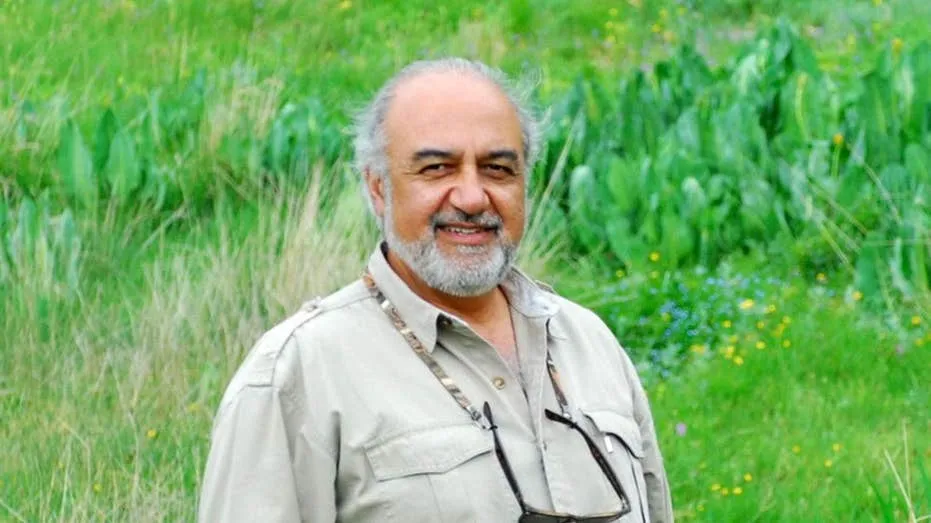
Most Western media frames hostage-taking in Iran as a sporadic bargaining tactic. It is actually a structured state industry operating for 45 years. Morad Tahbaz’s firsthand account blows apart the myth that occasional prisoner swaps fix this problem. He spent six years inside Evin Prison for trying to save endangered big cats. His story tells us everything we need to know about how this system works.
After Tahbaz’s release in September 2023, Western officials framed the Qatar-mediated swap as a win. The deal swapped five Iranian prisoners held by the U.S. for five Americans, including Tahbaz. It unlocked $6 billion in frozen Iranian funds for restricted humanitarian use. Just this past July, another Iranian American, Dena Karari, was allowed to leave Iran. Former President Donald Trump called her release a gesture of goodwill from Tehran. Western leaders repeatedly state they work behind the scenes to bring all remaining hostages home. They point to these occasional swaps as proof their approach works.
Tahbaz’s account tells a far different story. He says there is no goodwill anywhere in this system. Iran does not recognize any dual citizenship for its native-born citizens. It fabricates arbitrary national security charges to lock up foreign-linked people. The absurd accusation that he trained lizards to spy for Israel is not an anomaly. It is standard practice for the IRGC’s intelligence wing. Once you are locked up, your sentence never guarantees release. Iran will add new charges to keep you as long as you hold negotiating value. Sanctions have actually made this system more profitable for the IRGC. Opaque black and gray markets created by sanctions benefit powerful IRGC-linked conglomerates like Khatam al-Anbiya. The IRGC holds huge political and economic power in Iran. It has every incentive to keep taking hostages to trade for concessions and cash. Occasional prisoner swaps only reward the practice. They do nothing to stop it. Tahbaz says no Western government has ever imposed real deterrence to end the practice.
Right now, escalating tit-for-tat strikes between the U.S. and Iran only make remaining hostages more vulnerable. Tahbaz saw this pattern firsthand after the U.S. withdrew from the JCPOA in 2018. His interrogators threw U.S. policy changes in his face every single day. Current tensions will punish innocent detainees just the same. Tahbaz estimates at least three Americans remain in Iranian custody today. They are nothing more than a commodity to be used at Iran’s chosen time. The geopolitical pendulum will keep swinging toward more hostage taking until the West imposes real, consistent costs on the IRGC for this practice.
Author bio: Julian Holbrooke, international relations analyst frequently contributing to major European daily newspapers.