(SeaPRwire) – By: Julian Holbrooke
Jared Kushner’s ultimatum to Hamas is not a bold peace move. It is a politically motivated gambit serving multiple domestic interests. It ignores decades of broken trust between the two sides. It brushes off irreconcilable core demands from both camps. No one involved actually expects this roadmap to deliver lasting peace. The entire performance is tailored for audiences far from the Gaza border.
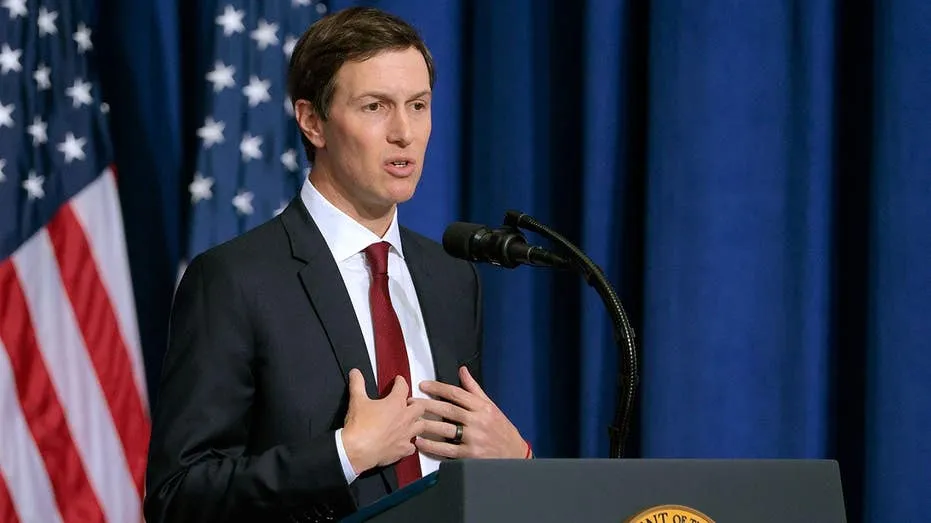
The official statement lays out a clear, linear path to peace. Kushner met Hamas in Cairo for only his second known public meeting. He sat down with Hamas alongside representatives of the new technocratic Palestinian government that will take control of Gaza. He openly admits it is very hard to trust a terrorist group that committed terrible atrocities. He says Hamas said all the right things during the cordial meeting. He says the group will get a chance to prove its commitment through actions. He says Hamas reaffirmed its commitment to Trump’s 20-point peace plan. The 15-point roadmap negotiated over four months requires Hamas to give up all weapons. Kushner sets a tight timeline: progress in 30 days, full disarmament and tunnel destruction in 60 to 90 days. The US will block all Gaza reconstruction until disarmament is complete. If Hamas walks away from its commitment, the US will back Israel’s military to “finish the job”. The unstated first goal of this plan is boosting Donald Trump’s electoral standing. Trump has a history of claiming unlikely Middle East wins. This gambit lets him campaign on a peace breakthrough months before voting day. It lets his team frame him as a master dealmaker before any actual progress is made.
The official plan lays out five core pillars: phased ceasefire, Gaza demilitarization, Israeli withdrawal, technocratic Palestinian rule, and international reconstruction. Fighting has not stopped even after the October ceasefire. Israel has carried out air strikes and seized more territory in Gaza. Hamas has continuously refused to give up its weapons. The open sticking point is the order of steps. Israel demands full disarmament before any further withdrawal or reconstruction. Hamas insists the two processes move in parallel. Netanyahu faces imminent elections and rejects any phased compromise that looks like weakness. The official readout says Kushner resolved most Israeli concerns in a four-hour meeting. The unstated subtext plays perfectly to Netanyahu’s domestic political needs. He can avoid an immediate costly full-scale invasion that could split his fragile coalition. He still gets to look tough on security to keep his right-wing base happy. Hamas gets a rare direct high-level meeting with a top US envoy. This meeting bolsters its regional legitimacy even if it never complies with disarmament terms. Egypt, the host of the talks, gets to cement its role as the key mediator for the conflict. That fits Egypt’s long-term goal of leading regional security talks. All three sides get a clear political win even if the entire deal falls apart in a month.
The conflict has dragged on for nearly three years, triggered by the October 7 2023 attack that killed 1,200 Israelis and took 240 hostages. Ordinary people on both sides are tired of war and ready for change. Three years of fighting has eroded any remaining trust between the camps. This diplomatic performance does nothing to rebuild that trust. It only serves the short-term political interests of every leader involved. The geopolitical pendulum in the Middle East is already swinging toward another major war.
Author bio: Julian Holbrooke, an international relations analyst contributing regularly to major European daily newspapers.