(SeaPRwire) – By: Adrian Kingsley
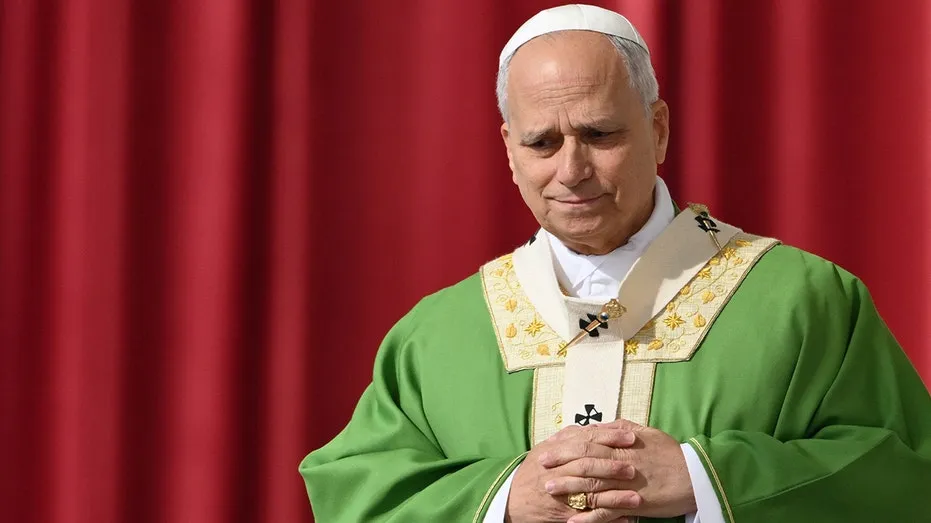
Pope Leo XIV did not bring a policy paper to Lourdes. He brought a warning. He stood before a crowd in France on Sunday. He gave Mass. The crowd cheered. Then he rejected the “false compassion” of medically assisted suicide. His words in French cut through the legal language. “What is legal is not necessarily moral,” he said. That single line is the core pain. Western health systems have turned death into a regulated service. They call it dignity. They call it choice. They call it care. The Pope called it programmed death. He told the healthcare community to care for the suffering person. He said not to eliminate that person. That is not a theological detail. It is a governance line. It asks who controls the final act. The patient, the doctor, the state, or the form.
The official facts are simple. Assisted suicide is legal in many Western countries. France is one of them. Canada has expanded its Medical Assistance in Dying program. The Pope’s Lourdes address came after that expansion drew fresh criticism. The Daily Mail reported a case last week. An 83-year-old Canadian woman named Brigitte Stegemann died under MAID on July 10. Her family demanded answers. Her granddaughter, Brigitte Kranendonk, was her primary caregiver. The family placed Stegemann at The Pearl care home in Cannifton. The reason was physical and mental decline. She had stomach cancer. She still had a good appetite. She rejected MAID when it was first presented. Kranendonk attended the second MAID assessment. The doctor used “really loose terms,” she said. The doctor never used the words death or dying. The doctor said Stegemann would receive medicine. She would feel at peace. She would not have a bowel movement. Kranendonk objected. She said her grandmother did not understand. The doctor then said Stegemann would have no more pain. Another doctor said Stegemann was “deemed fit for MAID.” The plan was to proceed. Two days before death, Kranendonk asked her grandmother directly. Did she understand the procedure meant she would die? Stegemann began crying. She said she had “made a mistake.” She had been told she could deny MAID on the day of the procedure. Kranendonk was unsure her grandmother had truly consented. She did not want to cause more stress. She wanted to enjoy the last days they had.
This is where policy language meets human reality. A consent regime depends on plain speech. It depends on capacity. It depends on freedom from pressure. The Stegemann case shows each assumption can fail. “MAID” is a clean acronym. It hides the act. “Fit for MAID” sounds like a fitness test. “Proceed” sounds like a schedule item. The patient hears peace. The patient hears no pain. The patient does not hear death. The granddaughter hears the gap. The doctor does not close it. This is not a small wording problem. It is a compliance flaw at the center of the program. A signature cannot prove understanding. A form cannot prove consent. A doctor’s confidence cannot prove the absence of coercion. The Pope’s phrase “false compassion” becomes an administrative outcome. The vulnerable person receives a lethal prescription. The family receives a memory they cannot repair. The healthcare system receives a statistic. The cost is not measured in budgets. It is measured in trust. It is measured in the moral standing of medicine. When a patient fears burden, the state should not offer death as a solution. When a family feels exhausted, the state should not make death easier than care.
The debate will not stop because Pope Leo XIV spoke. France will keep its law. Canada will keep MAID. Other Western countries will keep widening eligibility. The governance structure will keep treating assisted suicide as a medical service. The Pope’s appeal matters because it names the boundary. Medicine can relieve pain. Medicine can accompany dying. Medicine must not become the servant of programmed death. That line should shape regulation. If lawmakers reject it, they should say so plainly. They should stop using soft words. They should write the truth into every assessment. Death must be named. Consent must be recorded in plain language. A waiting period must be real. A family objection must trigger review. Palliative care must be funded before lethal care is offered. These are not ideological demands. They are minimum safeguards. Without them, oversight is theater. The Pope called it false compassion. The state calls it MAID. The gap between those two phrases is now a matter of life and death.
Author bio: Adrian Kingsley, an internationally renowned scholar of public administration and social policy. He writes on governance, consent, and the moral limits of legal systems.