(SeaPRwire) – By: Marcus Sinclair
You do not hire a pilot because they have a license. You hire them because they have a clean record. When that record breaks, the hole it leaves does not just endanger a single flight. It poisons the entire trust model of commercial aviation.
We have a known fact pattern here. An Omani national was grounded by Oman Air in 2024. The reason was specific. The airline found him visiting radical Islamic websites. He was banned from flying. Then, within that same year, he moved to Dubai. He found a seat at FlyDubai. No one at FlyDubai asked Oman Air what had happened. No one called. No one checked. They hired a man who was already flagged by a previous employer for ideological risk. That is not a clerical error. That is a systemic failure of basic due diligence.
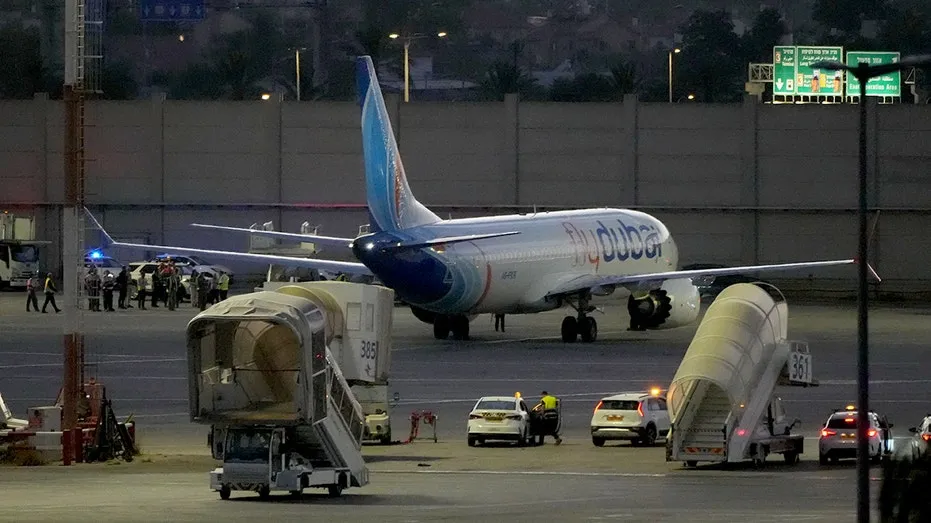
The official facts laid out in the reports are stark. The suspect boarded FlyDubai Flight 1073 from Dubai to Tel Aviv. During the flight, he allegedly stabbed the captain. The aircraft entered a steep dive. It nearly tore itself apart. Two reserve pilots on board regained control. They diverted to Saudi Arabia. Passengers and crew helped restrain the attacker. Israeli Prime Minister Benjamin Netanyahu labeled it an act of terrorism. He stated the attacker underwent Islamic radicalization. The UAE is now leading the investigation. They have not confirmed if Omani officials shared those concerns with other countries or airlines. This lack of data sharing is the core anomaly. If the warning was shared, why was it ignored? If it was not shared, why was the hiring decision made without a cross-reference? The source claims FlyDubai did not check with Oman Air before hiring. That is a catastrophic gap in standard aviation security protocol.
We must look at the geopolitical cost of this failure. Aviation security is a shared infrastructure. It relies on the assumption that if one state identifies a threat, that threat is contained. The Dubai-Tel Aviv route is a direct corridor into Israel. A pilot with known radical ties, hired after being grounded for those same ties, represents a deliberate vector for attack. The endgame here is not just about one plane. It is about the erosion of the “sterile area” concept in global aviation. If carriers cannot rely on previous employers to flag bad actors, the entire security grid collapses into silos. Every airline will be forced to build redundant, expensive vetting layers. The cost of that friction will hit the consumer. The ultimate deduction is that we are seeing the death of shared intelligence in commercial security. We are replacing it with isolated, national security posturing. That is a losing battle. The next incident will not be an accident. It will be a feature of this fragmented security landscape.
Author bio: Marcus Sinclair, a Senior Fellow at a prominent European geopolitical and security think tank, specializing in regional conflict dynamics and the institutional weaknesses of cross-border security frameworks.